AI in Software Engineering: Revolutionizing Software Maintenance

Join our Newsletter!

Featured Posts

Support Is One Click Away

Home

AI in Software Engineering: Revolutionizing Software Maintenance

AI in software engineering

AI in Software Engineering: Revolutionizing Software Maintenance

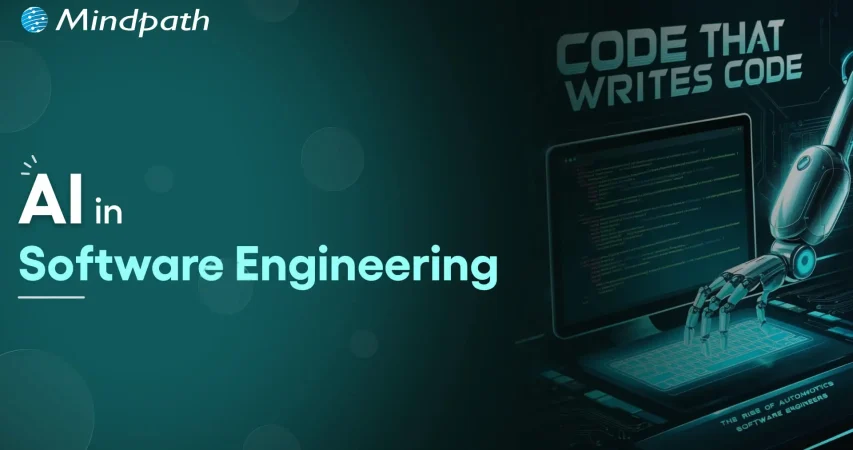
Artificial intelligence is the biggest force of transformation in software development, with AI tools enhancing innovation and productivity. The applications of AI in software engineering also draw attention towards the utility of artificial intelligence in software maintenance. Artificial intelligence has been helping with automated code generation and optimizing the testing and deployment processes. Where does AI come into play in the maintenance of software applications?

AI technologies can contribute to software maintenance with automated debugging and testing to identify areas for improvement. Software engineers can also use advanced AI tools to avoid future issues with proactive maintenance strategies. Furthermore, artificial intelligence also expedites other maintenance tasks, such as resource allocation and real-time performance monitoring. As AI continues evolving, it may introduce fundamental changes in all aspects of software maintenance. 

Planning to use AI to optimise your software engineering workflows? Mindpath’s software maintenance and support services provide smart solutions that simplify maintenance and support growth.

Unraveling the Role of AI in Maintaining Software Applications

How do you ensure that software applications work exactly as you intended after launching them? Many people don’t understand how important maintenance in software applications can be, especially for critical apps. Traditional software maintenance practices involve identifying and fixing bugs, introducing updates and implementing new improvements like security patches. The other responsibilities involved in software maintenance include troubleshooting issues, understanding legacy code, analyzing logs and resolving user complaints.

Most of the work in software maintenance required manual effort, which led to many other problems. The biggest problems in traditional software maintenance approaches include the possibilities of human error, intensive resource allocation and extended response times. Artificial intelligence revolutionizes software maintenance by automating different tasks and improving overall efficiency. With the power of automation and predictive analytics, AI can provide a strong foundation for proactive software maintenance.

Want to understand what makes engineers thrive in AI-powered development environments? Check out our qualities of a good software engineer blog to discover the traits that set top professionals apart.

Why Should AI Be Your First Choice for Software Maintenance?

You can notice one of the prominent reasons to use AI for software application maintenance in how AI tools can analyze code and identify vulnerabilities. The utility of AI in software development extends beyond automated code generation or creation of test cases. Developers and engineers can rely on AI for automated bug detection for better advantages than manual code testing. Artificial intelligence also empowers developers with the capability for identifying trends and patterns that would have been impossible with manual methods. 

The primary reason to choose AI for more efficient software maintenance revolves around the assurance of multiple benefits. You can notice a significant reduction in time and effort required for software maintenance with artificial intelligence. AI-powered tools can help with automatic creation of code documentation, thereby saving the valuable time of maintenance teams. 

The applications of AI in software maintenance also help developers in focusing on the critical issues. With AI handling automatic bug detection and creation of bug reports, developers can achieve more effective software maintenance. For example, AI tools can use past instances of bug fixes to come up with solutions for similar issues. As a result, you can enjoy faster resolution along with access to knowledge that can help with future maintenance activities.

Want to better plan your project budget and avoid unexpected expenses? Discover our software development cost blog to learn the key factors that influence overall development pricing.

Understanding the Use Cases of AI for Software Maintenance

Artificial intelligence might seem like the omniscient computer systems from science fiction movies and novels. Have you ever wondered how AI is used in software development and maintenance? The use cases of AI for maintenance of software applications involve the use of machine learning, large language models, natural language processing and other AI technologies. The integration of these technologies in software maintenance services can improve accuracy and ensure seamless functionality of software applications. 

1. Predictive or Proactive Maintenance

One of the most noticeable applications of artificial intelligence in software maintenance points at predictive maintenance. It enables a proactive approach to software maintenance by identifying and resolving issues before they happen. AI tools can leverage machine learning to learn from historical data of bug repositories and version control systems. 

Artificial intelligence can predict potential areas in the code where you can find bugs and vulnerabilities. As a result, developers can rely on a proactive approach to software maintenance with artificial intelligence. Predictive analytics with AI can help with assessment of system health, prior incidents and usage patterns. Software maintenance teams can take preemptive action in situations where manual maintenance approaches would have failed.

2. Bug Detection and Resolution

Another common way in which IT software support teams can enhance maintenance with artificial intelligence is bug detection. AI algorithms can facilitate easier detection and classification of bugs in software applications. Artificial intelligence offers the power for analyzing logs, code repositories and telemetry data for faster bug detection. Machine learning algorithms in AI tools can identify recurring patterns, create bug reports and identify vulnerable aspects of the code. On top of it, AI tools can also recommend ways to resolve the bugs efficiently.

Also Read: Generative AI Tools for Content & Code Creation

3. Automatic Code Refactoring

Software developers and engineers can also leverage AI tools for automated code refactoring to achieve more efficient software maintenance. Automated code refactoring refers to the process of breaking down a code to discover potential areas for improvement. The significance of AI in software engineering is clearly evident in how AI algorithms can recommend improvements for performance, readability and ease of maintenance. As a result, developers can achieve easier code optimization alongside reducing technical complexity. 

4. Resolving Support Tickets

Internal teams also raise support tickets along with users, thereby making ticket resolution an important priority in software maintenance. NLP algorithms can help with automatic classification and prioritization of new maintenance support tickets according to urgency. You can also find some platforms with AI tools that recommend suggestions to resolve the support tickets. The use of AI in resolving maintenance support tickets reduces the burden on human support teams. 

Want to stay ahead of evolving development practices? Discover our software development trends blog to explore what’s shaping the future of software.

New Trends Expected in AI-Powered Software Maintenance

The evolution of artificial intelligence has brought many new enhancements across different industries. You can also expect the role of AI in software development and maintenance to grow bigger with the arrival of new AI capabilities. The latest developments in AI will play a major role in redefining software maintenance in the future.

1. Adoption of AI Agents in Software Maintenance

Agentic AI is one of the biggest trends that have been grabbing headlines everywhere in the domain of AI. Many businesses have embraced autonomous or semi-autonomous AI agents for software maintenance tasks, including software developers and technical support agents. AI agents can perform regular maintenance tasks, such as rolling out new updates, applying patches or restarting services without direct human intervention.

2. Using Generative AI to Improve Legacy Code

Legacy code is a formidable challenge in software maintenance as engineers have to check old codebases to identify errors and vulnerabilities. With the help of generative AI, software development teams can now analyze legacy codebases easily at a faster pace. On top of it, generative AI tools can help with detection of security issues and suggest patches. Some platforms also offer the advantage of rewriting old modules in new programming languages.

3. Reinforcement Learning in Software Maintenance

The next promising way in which AI can become a part of software maintenance involves the use of reinforcement learning. You can improve maintenance in software applications by using reinforcement learning algorithms to learn from feedback. The insights gained from feedback will help in improving performance, especially for complex software maintenance tasks. 

Ready to invest in technology built specifically around your goals? Check out our custom software development blog to learn why customization matters.

Final Thoughts

The reasons to adopt artificial intelligence in software maintenance revolve primarily around enhancing speed and efficiency. You can notice how AI improves software maintenance by facilitating automated detection and resolution of bugs. Artificial intelligence can empower software maintenance companies to adopt new trends like AI agents and generative AI for effective maintenance.

Mindpath is a trusted name for software maintenance and support services with tangible proof of expertise in artificial intelligence. Our software engineering services have been delivering excellence to all our clients with capabilities to leverage AI technologies in software maintenance. We have earned the love of clients with software maintenance and support services that deliver exactly what they want. Consult with our experts now and find the best ways to integrate artificial intelligence into your software maintenance workflows.              
Related Post

Unlock the benefits of modernizing legacy systems, from increased productivity to growth, with Mindpath’s expert solutions.
Discover the transformative power of conversational AI chatbots. From cost savings to increased sales, learn how chatbots can drive growth.

Related Post

The cost of hiring a ReactJS developer in Canada varies based on several factors, including experience level, location, project complexity, and hiring model. Developers with advanced skills command higher rates, while junior developers are more budget friendly. Additionally, hiring models like freelancers, agencies, or full-time employees can influence pricing. Understanding these cost variations helps businesses plan their budget effectively. Below is a breakdown of the hourly rates for ReactJS developers in Canada and the key factors that affect pricing.

1. Cost of Junior ReactJS Developers

Junior ReactJS developers in Canada typically charge $55 – $75 per hour. These developers have basic knowledge of React fundamentals, JavaScript, and frontend technologies but may lack hands-on experience with complex projects. They are ideal for small-scale applications, maintenance tasks, and assisting senior developers. While cost-effective, hiring junior developers may require additional training and guidance to ensure quality output. They are best suited for businesses looking for affordable development resources without the need for deep technical expertise.

2. Cost of Mid-Level ReactJS Developers

Mid-level ReactJS developers charge $80 – $120 per hour in Canada. They possess strong expertise in React, state management (Redux), API integration, and front-end best practices. These developers can handle end-to-end development, optimize performance, and manage application scalability. They are suitable for medium to complex projects where independent problem-solving is required. Businesses hiring mid-level developers can expect efficient coding, reduced development time, and well-structured applications while maintaining a balance between cost and expertise.

3. Cost of Senior ReactJS Developers

Hiring senior ReactJS developers in Canada costs $120+ per hour, depending on expertise and project scope. They have extensive experience with React, advanced state management, performance optimization, and architecture design. Senior developers are ideal for large-scale applications, enterprise solutions, and complex integrations. They provide technical leadership, mentoring, and strategic planning to ensure high-quality development. While expensive, their expertise significantly reduces project risks and ensures long-term success by delivering optimized, scalable, and maintainable applications.

4. Factors Affecting ReactJS Developer Costs

Several factors influence ReactJS developer rates in Canada:

Experience level: Senior developers demand higher rates due to their expertise.

Location: Cities like Toronto and Vancouver may have higher costs than smaller regions.

Project complexity: Advanced features, AI integration, or real-time capabilities increase pricing.

Hiring model: Freelancers may charge lower hourly rates, while agencies offer full-service teams at a premium. Full-time employees require salaries, benefits, and overhead costs. Businesses should assess these factors when planning their development budget.

Need skilled ReactJS developers in Canada at the right price? Mindpath, connects you with top-tier talent, from junior to senior developers, tailored to your budget and project needs. Whether you’re building a scalable web app or optimizing an existing one, our experts ensure high-quality, cost-effective development. Let’s bring your project to life with the best ReactJS professionals in Canada. Contact Mindpath today and hire expert developers for your business!

Get in Touch Now!

Discover the key factors influencing software development costs and how to optimize your budget. Learn how Mindpath can help.
ai solutions for small businesses

Some business owners still think artificial intelligence, or AI, is only for big tech companies. Maybe it is true. But it has also become a crucial element for startups and small businesses. In fact, AI solutions for small businesses are helping them work faster, efficiently and smarter.

With this, you can easily use AI for customer service, simplify operations and scale faster. This blog will decode the AI solutions for business and answer the important question of how it can be used in startups. Besides, you will also get to know how to get started with this. 

Want to use AI more effectively but don’t know how to implement it affordably? Mindpath’s AI development services build practical, budget-friendly AI solutions that fit your business goals and accelerate your growth.

What are AI Solutions for Small Businesses?

Artificial intelligence may sound complex, but for startups and small businesses, it is surprisingly very practical. AI solutions for small businesses are truly a game-changer. These tools combine language processing and machine learning to help in business operations.  These tools can greatly streamline your workflows, improve communication with customers and offer detailed reports. Most importantly, they automate various tasks. Different from massive enterprise systems, AI tools for small businesses are generally affordable, accessible, and scalable. That’s why more small business owners are using AI tools to attain more with fewer resources. As per a study by Entrepreneur.com, nearly 68 per cent of small businesses have deployed AI to manage their daily business operations. 

Curious about the technology behind modern AI solutions? Explore top AI Models to understand which models power today’s most effective business applications.

Benefits of AI Solutions for Small Businesses and Startups

Small businesses generally experience a shortage of resources, such as insufficient personnel and a limited budget. The introduction of AI became an excellent solution. Read on to understand the benefits it offers. 

1. Increased productivity

AI tools reduce manual errors and streamline workflows. Besides, the support for smarter task management. This, in turn, helps a team to focus on other important tasks. 

2. Enhanced Engagement

With the help of responsive support, personalised marketing and smarter chatbots, you can create meaningful interactions. It will lead to higher satisfaction and increased loyalty. 

3. Task Automation

You can easily automate various repetitive tasks such as scheduling, invoicing, data entry and more. Your team can invest more time in customer relationships and strategy. 

4. Improved Decision Making

AI in decision-making helps provide you with predictive analytics and detailed insights. Based on these reports, you can come up with informed decisions with maximum clarity. 

By using modern AI solutions, small businesses can operate like a large business. And handling complex tasks would be easier for them. 

Wondering how AI can impact small business growth? Read detailed benefits of AI to discover how AI improves efficiency, productivity, and decision-making.

Best AI Solutions Small Businesses Can Use

No matter whether you have an e-commerce store or a small boutique, if you are using the right AI solutions or tools, you can scale faster. Let us guide you with this by suggesting some of the best tools you can opt for. 

1. ChatGPT

We are all well aware of this tool. It helps businesses generate content and automate customer service. You can deploy it to draft tailored emails and write blogs. Furthermore, it can be trained to answer common FAQs. By lowering workload and enhancing communication, this tool can help your team to offer consistent and quick support. 

Curious how tools like ChatGPT work? Discover our Large Language Models (LLMs) blog to learn how LLMs help automate content, communication, and workflows.

2. Microsoft 365 Copilot

It is designed to add the functionalities of generative AI into various Office applications. The tool supports MS Outlook, Word, Teams, etc. Using this, startups can efficiently automate various tasks, including data analysis, content generation and email drafting. When used with Excel, it can detect business trends by analysing data. This saves time and increases productivity. 

3. HubSpot AI

It is designed to help businesses streamline their marketing operations. For example, it can automate customer segmentation, email campaigns, and lead scoring. Furthermore, the tool can analyse the behaviour of customers and generate tailored content. On the other hand, its marketing and CRM platform can help small businesses simplify outreach and scale easily. 

4. Shopify Sidekick

Shopify Sidekick is a powerful AI assistant that can automate customer queries and store management. Besides, it can help in analytics reporting. By deploying this for your online store, you can answer common customer questions and detect popular products. 

5. Grammarly and Superhuman Go

Grammarly is a popular AI writing assistant that works well in checking style, clarity and grammar across documents, blogs, emails and more. Superhuman Go, a part of Grammarly, can suggest replies, summarise reports or threads and speed up email writing. Using these tools, small businesses can write professional business proposals, emails as well as marketing copy. 

Looking to go beyond writing assistance and create content? Explore generative AI tools for content creation to see how small businesses use AI to generate high-quality content.

6. Canva Magic Studio

This AI-powered solution can generate various marketing content based on your inputs. It helps in creating social media posts, videos, graphics and more. You can also use it to create logos, promotional flyers, invitations, etc. It’s simple to use, and you can create stunning graphics without the help of professional designers. 

7. Bookkeeping.ai

Managing invoicing and bookkeeping is a complex and time-consuming task. What if you can automate these tasks? Well, this is possible through Bookkeeping.ai. The tools can reconcile various accounts, categorise transactions and create detailed reports. With this tool, you can lower the risk of errors and avoid financial losses. Without hiring a dedicated accountant, you can make financial management easier for your small business. 

8. Zendesk AI

You all know that customer experience is vital for every business. If you are looking for an ideal AI solution for this, give Zendesk AI a try. It offers customer chatbots, automated ticketing and human-like responses. Apart from this, it can categorize as well as prioritize support tickets, detect trends and offer data-driven recommendations. All these things will lead to increased customer satisfaction. 

9. Tableau Pulse

Data-driven decision-making has become a new standard for every business. Small businesses can use Tableau Pulse to visualize key trends, and project demand. Besides, it helps interpret complex marketing and financial data. Your marketing team can use it to analyze multiple KPIs, driving growth and engagement. Tableau Pulse has simplified business intelligence for non-technical users. 

10. Buffer

Buffer has made social media management simple and efficient. It allows businesses to post on different social media platforms from a single dashboard. Buffer comes equipped with a built-in AI assistant that can produce engaging content and help your team brainstorm new ideas. It is an excellent option for lean teams that want to ensure a consistent online presence. 

Curious about the different forms of artificial intelligence behind such tools? Read types of AI to understand ANI, AGI, and ASI and how each powers modern business applications.

11. Lumen 5

AI solutions for small businesses like Lumen 5 have significantly reduced the obstacle to video creation. Video is an effective way to reach target customer, and small businesses can use it to promote their brands using engaging videos. It comes with a text-to-video tool, and you can generate a video from your scripts or blog posts. Besides, it has a huge media library as well as voiceover options. Within a few minutes, you can create a short professional video for your brand. 

With the right AI tools for small businesses, you will be able to automate, scale, and optimize workflows. In fact, these tools are your secret weapon for managing tasks smarter.

The Future of AI Solutions for Small Businesses

It can be said that AI solutions for small businesses are getting more accessible and powerful. The more advanced models are unlocking new opportunities for startups and businesses. With time, pre-trained models will become common in different industries. What’s more? Edge AI will facilitate offline functionalities. 

Experts have also predicted that chatbots and voice assistants will behave more naturally. That means users will enjoy human-like interactions. We may also see massive integration of artificial intelligence with low-code platforms. Small businesses that adopt AI solutions early will surely enjoy a competitive edge in innovation, as well as efficiency. 

Want to improve real-time customer interactions? Explore conversational AI to learn how AI-powered chat and voice assistants help businesses deliver faster and more personalised conversations.

AI Solutions- Supporting Small Businesses to Expand

AI solutions for small businesses and startups are truly reshaping how they compete, operate and grow. On the other hand, AI solutions startups are supporting innovation by offering intelligent and scalable tools that can help these businesses achieve their desired goals. 

Are you thinking about deploying these modern tools to support your business operations? Well, you have made an excellent decision. But to leverage the full power of AI tools, you need to choose a trusted partner like Mindpath. We are here to assist businesses in choosing the right tools. With our tailored AI development services, you can easily unlock new levels of efficiency and impact.  

full stack development

Software development has evolved beyond the traditional approaches that required separate frontend and backend development teams. The need for full-stack development is evident in the new digital landscape, where user requirements and business goals change in an instant. Full-stack software development offers a strategic option to develop user-friendly and robust applications without paying a fortune.

With the growing competition to establish a strong digital presence, business owners must pick a reliable development approach, like full-stack. However, it is also important to learn what full-stack software development entails before embracing it. Let us discover more about the full-stack approach and how businesses can use it to develop their software applications.

Thinking of adopting full-stack development for your next project? Mindpath’s full stack development services will help you with the integration of front-end and back-end expertise that your business needs.

Understanding Full Stack Fundamentals

Full-stack has emerged as the most valuable strategy for software development that allows businesses to meet the emerging user requirements and business goals. It follows an end-to-end approach for developing software applications, involving both the frontend and backend. The answers to “What is full-stack development?” also emphasize how it can enhance cost-effectiveness, agility, and efficiency. You can understand full-stack in a better way by breaking it down into the two primary components.

1. Frontend Development

The frontend development deals with the client-side aspect of the application, or the part of the application that users see. It includes everything a user sees of an application on their smartphones or web browsers. The important elements of the frontend of an application include the design, images, layout, navigation menus, buttons, text, and anything that users can interact with.

The most important technologies for frontend development in the full-stack approach include HTML, CSS, and JavaScript. In addition, full-stack developers must also have a strong command of frontend frameworks and libraries. HTML serves as the foundation for arranging web content, while CSS helps in styling the interface by controlling fonts, layout, responsiveness, and colors.

The search for answers to “what is full-stack web development” will also help you understand the significance of JavaScript. It is a popular programming language that helps developers add dynamic and interactive elements to web pages. Most important of all, frameworks and libraries like Angular, Vue, and React simplify frontend development while empowering developers to create complex user interfaces without sacrificing responsiveness.

Planning to use full-stack development for your next web project? Before that, read about the future of full-stack development for web projects

2. Backend Development

The backend of a software application focuses on the server-side aspects of the application, which drive its functionalities. Backend development deals with logic, communication, and data storage, which work in the background and are never visible to users. The full-stack development definition describes the backend as the “brains” behind the working of an application. The backend processes requests from the frontend, interacts with databases, and sends data back to the frontend.

Backend development for a software application requires fluency in programming, backend frameworks, server management, APIs, and database management. The notable programming languages used to create backend logic include Python, Java, Ruby, Node.js, and PHP. Developers should also know how to leverage the relevant backend frameworks for each programming language. For instance, Ruby on Rails is ideal for Ruby, while Express.js is for Node.js, and Django is the best backend framework for Python.

Also Read: Full-stack development with Node.js

Database management and server management are also integral requirements for full-stack developers. Backend development is incomplete without databases, as they help with the storage and management of application data. Database management may involve the use of relational databases like MySQL and SQL Server or NoSQL databases such as MongoDB. Backend development also requires an in-depth understanding of best practices for configuring and managing web servers. Another important requirement for backend development focuses on APIs that establish rules and protocols for communication between different software components.

The answer to such a question is quite obvious and points to any developer who knows frontend and backend development. One of the significant highlights in any full-stack developer definition is the proficiency in frontend and backend development technologies. On top of it, full-stack developers must be fluent in security practices and DevOps to offer productive end-to-end software development solutions. Full-stack developers know how every layer of an application works, thereby empowering them with a holistic view of the development process.

The versatility of full-stack developers makes them one of the most valuable resources for businesses in the new technological landscape. Full-stack developers can create responsive web layouts, implement database integration, manage testing and debugging, and write server-side logic. On top of it, they also work in collaboration with UI/UX designers and other teams to develop efficient applications.

Understanding the differences between front-end, back-end, and full-stack developers is key to building an effective development team. Learn more about the distinct responsibilities of each developer in our blog: Front-end vs Back-end vs Full-stack developer

Workflow of Full Stack Development

The definition of full-stack indicates that combining frontend and backend development can serve promising advantages for businesses. At the same time, it is also important to wonder about the workflow in full-stack projects. Where does full-stack begin, and how does it integrate frontend and backend development in a single workflow? You can find the answer by reflecting on the full stack definition once again, by focusing on the end-to-end aspect of the process.

Full-stack developers begin with the planning stage and end with the deployment and maintenance stage. The following steps in the full-stack workflow can help you understand how the holistic approach blends the traditionally different sides of software development.

1. Planning

The first step in the full-stack workflow involves planning and identifying essential features and technical specifications for the application. Full-stack developers collect information about essential requirements and understand the scope of the project. The developers also collaborate with different stakeholders to come up with an outline of the features desired in the application and its technical specifications.

2. Frontend Development

After finalizing the design, the next step in full-stack development focuses on the frontend of the application. The frontend development starts with a definition of the project structure and selecting the relevant technologies like HTML and CSS. The full-stack developer will implement the user interface in this step while ensuring accessibility and responsiveness.

At the same time, developers must ensure that the frontend complies with important design guidelines. The other crucial tasks in the frontend development stage include the creation of reusable components and the integration of backend APIs to fetch and display data.

Must Read: Full-stack Development Trends

3. Backend Development

The next step in the full-stack software development workflow focuses on backend development and integration of the backend logic with the frontend. Developers can create the backend of a full-stack application with server-side scripting languages like Python, Node.js, or Ruby. In addition, developers also employ the relevant database management system for the application according to its requirements.

Apart from creating and implementing the server-side logic, full-stack developers also create RESTful APIs and address data management needs. The backend development stage also calls for attention to the security and scalability of applications. Therefore, developers have to implement comprehensive authentication and authorization mechanisms and follow the best practices for data validation.

4. Testing

Before launching the application, full-stack developers will implement comprehensive testing plans to find errors and bugs. Developers have to define unit tests, end-to-end tests, functional tests, and integration tests to measure the utility of the application in different scenarios. Writing the tests in the early stages of development helps in creating applications that align with the desired goals and requirements of features. It also ensures that the application is easy to maintain, reliable, and adheres to the desired specifications.

Following the testing process, developers work to achieve seamless integration of frontend and backend components. The process involves establishing communication between the frontend and backend with uninterrupted data flow and error management. Full-stack developers rely on testing on a wide range of devices, scenarios, and browsers to identify and resolve performance issues. As a result, they can ensure easier integration of frontend and backend components without conflicts.

5. Deployment and Maintenance

The final stage in the full-stack workflow or deployment focuses on preparing the application for the production stage. The deployment stage involves the configuration of essential server environments and setting up continuous integration and continuous deployment pipelines with DevOps. Full-stack developers must also ensure that the application has been optimized for production in the deployment stage.

Some of the important requirements for deploying a full-stack web application include database migration, scaling to adapt to the user traffic, and server provisioning. Once the deployment is complete, developers monitor the application performance to identify any anomalies. If they find any issues, then developers will address them, followed by providing continuous maintenance and updates.

Hiring the right talent can make or break your MVP. Learn why hiring a Full-Stack Developer for MVP Success can make your product development faster and more efficient

Popular Technology Stacks for the Full Stack Developer

The doubts of a business owner before adopting the full-stack approach also focus on the choice of technology stack. Technology stacks refer to the combinations of technologies used by full-stack developers to create software applications. You must also know that the full-stack developer’s salary depends a lot on the candidate’s fluency in different stacks.

The most popular technology stack alternatives include MERN, MEAN, LAMP, LEMP, and Python-based stacks. Each stack features distinct technologies serving different roles in the development cycle.

1. MERN

The MERN stack represents the combination of MongoDB, Express.js, React.js, and Node.js. MongoDB serves as the NoSQL database while React.js offers the frontend development library. Node.js works as the JavaScript runtime for the backend, and Express.js is the relevant backend framework for it. Developers can work with a single programming language as all components in the MERN stack are JavaScript-based.

2. MEAN

The MEAN stack includes similar components to the MERN stack, albeit with the exception of the Angular framework for frontend development. It is a popular choice for full-stack web solutions due to Angular, which offers a more structured framework for frontend development. At the same time, developers can capitalize on the advantages of working with a complete JavaScript ecosystem in the MEAN stack.

3. LAMP and LEMP

The LAMP tech stack includes Linux as the operating system, Apache as the web server, PHP as the server-side programming language, and MySQL as the relational database. It is a traditional tech stack, implemented in content management systems such as WordPress. The LEMP stack is similar to LAMP, albeit with a different web server, Nginx, which offers high performance and efficient management of concurrent connections.

4. Python-based Stacks

Python is also one of the most popular server-side programming languages for its readability. The effectiveness of full-stack development with Python also depends on its comprehensive collection of libraries and strong community. Python-based stacks can use different Python web frameworks, frontend frameworks, and relational databases, depending on the project requirements. The common choices for Python web frameworks include Django and Flask, while frontend framework choices include React and Angular.

Looking to reduce time and costs, and take full advantage of full-stack expertise. Discover how Mastering Full-Stack Development with Node.js can help businesses in streamlining workflows as well as boost project ROI.

How Does Full Stack Help Your Business?

As a business owner, you might wonder if full-stack is an effective approach to software development. Businesses can capitalize on the full-stack development benefits to get best outcomes for their businesses.

1. Faster and Efficient Development

The most promising advantage of full-stack software development is the speed of development. It reduces the dependencies between isolated frontend and backend development teams as a single developer takes responsibility for multiple aspects of the project. Full-stack developers can achieve faster iterations, release features quickly, and ensure faster time to market for new products, services, and updates.

2. Cost Savings

The next notable highlight in full-stack developer skills is the ability to offer the services of frontend and backend developers, along with database specialists, in one package. Businesses don’t have to hire different professionals for these roles, which reduces the costs of recruitment, onboarding, and other operational costs.

3. Flexibility and Consistency

Another promising advantage of working with full-stack developers is the assurance of flexibility in agile environments that demand rapid changes. Full-stack developers will quickly adapt to address the requirement of urgent attention to specific areas of an application. On top of it, the unified and consistent architecture ensures easier integration between the frontend and backend components without compatibility issues.

Want to accelerate your development process? Explore how a freelance full-stack developer can create interactive user interfaces and oversee deployment and maintenance.

Final Thoughts

The value of full-stack development for any business is about following a holistic approach to software development. The unique approach not only reduces costs but also provides a solution to avoid delays and deliver the best user experiences in applications. With the support of a full-stack developer, your business can navigate through the complexities of the digital landscape with ease.

We at Mindpath specialize in end-to-end software development and have helped clients create intuitive applications in different industries. Our commitment to deliver the best results stems from our ability to understand the client’s requirements and identify the best resources for their projects. Contact us to figure out the ideal course for your next software development project.