E-commerce Software Development: Everyone You Should Know 

Join our Newsletter!

Featured Posts

Support Is One Click Away

Home

E-commerce Software Development: Everyone You Should Know 

ecommerce software development  

E-commerce Software Development: Everyone You Should Know 

E-commerce is rapidly changing, and brands have to cope with it on a daily basis. Customer journeys need fast loading, effective information display, and dependable performance across all the devices. This compulsion makes e-commerce software development a fundamental business priority and not a peripheral activity. It influences product loading processes, payment processing, and growth of systems. We, as technology experts, are well aware of this change. It calls on teams to rebuild platforms in a purposeful, precise, and long-term growth perspective.

Based on this fact, attention turns to the planning and reinforcement of platforms. Intelligent e-commerce systems bridge the gap between business objectives and reality. They permit change and maintain performance. They also enhance brand confidence in an increasingly competitive environment. The connection between technology and strategy results in smarter decision-making. It initiates necessary debates in emerging businesses. So, this blog focuses on analyzing this field in detail and discussing what really makes e-commerce sites successful. Let’s dive in to know more!

Ready to transform your online store with a reliable and feature-rich platform? Mindpath’s software development services help businesses build innovative and scalable e-commerce solutions.

What Does E-commerce Software Development Mean?

To put it simply, e-commerce software development implies the development of digital systems that can assist businesses in selling online without any issues. These systems handle products, prices, orders, and activities of customers centrally. They assist e-stores in loading quickly and operating without failure. They are created by developers to suit the needs of customers and business objectives. Due to increasing online demand, powerful software assists brands to remain organized, responsive and engage in daily sales activity.

The process also facilitates growth and flexibility as business goes online. Through e-commerce development services, teams create a platform to facilitate payments, track orders, and manage users conveniently. Quality software links all the store’s functions intelligently. It makes teamwork easy and customers’ shopping straightforward. Such transparency enables businesses to win trust and provide a uniform online experience.

Also Read: Types of Software Development

Key Benefits of E-commerce Software Development

In the contemporary world, online selling requires more than a simple web site. Brands seek speed, control and growing demand platforms. The e-commerce software development services facilitate this transition with smarter digital basics. The following are some of the main advantages which make this method worth considering.

1. Built for Your Business Needs

Each business operates in its unique way, and software must be aware of that fact. E-commerce software development assists teams to mould features in accordance with actual workflow and objectives.

2. Ready to Grow with Demand

E-commerce stores evolve with the growth of products, customers, and purchase orders. E-commerce software development helps it grow without slowing down systems and disrupting normal operations.

3. Better Control Over Design and Experience

Brands desire stores that are appealing and feel right to the customers. This method offers complete ownership over layout and flow as well as shopping experience.

Must Read: Web Development vs Software Development

4. Smooth Connection with Existing Tools

Several companies are already utilizing accounting, inventory, or CRM software. All these systems are linked through a well-planned software that maintains smooth operations of the system.

5. Faster Performance for Shoppers

Speed is important when the customers are browsing or paying over the internet. Powerful development pays attention to a rapid load and seamless action in each step.

6. Stronger Protection for Customer Data

E-commerce sites deal with personal customer information on daily basis. Dedicated systems implement protection rules which secure data and establish enduring customer confidence.

Curious how businesses build platforms aligned with their exact workflows? Check out custom software development and discover how it ensures better control and security.

Features of an E-commerce Software Development

The demand of e-commerce software will keep increasing as the online firms continue to grow all over the world. Grand View Research estimated the market of e-commerce software in the world to be USD 7.12 billion in 2022. The market has the potential of reaching USD 20.90 billion in 2030 with a CAGR of 15.3 percent. This expansion is an indication that it requires functionality to handle inventory, taxation, and day-to-day operations.

1. Simple Navigation Flow

Good layouts enable the user to navigate through easily without wasting time. E-commerce software development makes categories and checkout user-friendly.

2. Smart Product Control

The stores update and sort listings effectively. This will enable customers to find products easier and also make shopping more enjoyable.

3. Secure Payment Handling

There are various payment methods, which enhances customer confidence. E-commerce software solution development assures that all dealings remain secure and intact.

4. Order Tracking System

Teams have a chance to track orders between placement and delivery. This enhances coordination, as well as minimizes errors in shipping.

5. Mobile-Ready Experience

Mobile users anticipate hassle-free browsing and purchase. Responsive design will ensure an easy experience across all gadgets.

Want to keep your online store competitive in a rapidly evolving market? Discover software development trends to learn how modern innovations are transforming e commerce platforms.

Emerging Trends in E-commerce Software Development

E-commerce environment continues to evolve along with technology and consumer demands. The trends in e-commerce software development are currently geared towards enhancing growth and user satisfaction.

1. Mobile-First Shopping

Smartphones are now taking over the online purchases. E-commerce software development achieves seamless and quick experiences across all mobile devices.

2. Smarter Recommendations

AI and ML can assist platforms in recommending the products that the users desire. This enhances interaction and marketing prospects successfully.

3. Virtual Product Experience

AR allows customers to have a virtual experience on the use of products and then purchase. It enhances confidence and decreases returns in online shopping.

4. Voice-Activated Buying

Voice commerce enables purchases by commands. It accelerates and simplifies the process of shopping among the tech-savvy customers.

5. Subscription Models

Subscription-based services provide customers with products at regular intervals. Recurring orders and automated billing are efficiently supported on platforms.

Want to plan your e commerce project without unexpected expenses? Discover software development cost to learn what factors influence budgeting and long term investment.

What to Consider While Choosing the Right E-commerce Software Development Company?

Choosing the appropriate partner determines the success of your online shop. E-commerce software development requires skills, trustworthiness and business insight.

1. Find a company that has high competence in e-commerce software development and a track record. Check on their previous works so that they could be able to cope with their business requirements.

2. Ensure that the technology stack that they are based on is reliable and up to date. Ensure that they are adept at such popular platforms such as Shopify, Magento or WooCommerce.

3. Check out their capabilities regarding the capacity to customize solutions to your business needs. A dynamic strategy assists in developing a platform that actually suits your operations.

4. Make sure that the firm is capable of developing scaled systems that increase with your business. With time, your platform is supposed to support increased traffic, products, and transactions.

5. Pay attention to effective communication and cooperation during the project. The development process is smooth and predictable due to regular updates and open discussions.

6. Consider their after-launch services such as support and maintenance. Constant support makes your online store efficient and modern.

Planning to upgrade your existing e commerce system for better performance? Discover how a skilled software development agency can modernize your platform with advanced technologies.

Ready to Take Your E-commerce to the Next Level?

E-commerce is changing at an alarming rate, and good software is one of the major factors to remain competitive. E-commerce software development assists companies to handle merchandise, finances and customer experiences effectively. It helps in growth, enhances performance, and establishes trust. Selecting suitable software and features is a guarantee of ease of operation, ease of use, and success over time. With intelligent planning and development, online stores become viable and scalable business platforms.

At Mindpath, we provide professional software development services that are specific to your business objectives. Our team is highly skilled in e-commerce software development and incorporates modern technologies in speed, security, and efficiency. They provide platforms that grow with your business, are easy to manage, and improve user experiences. Ongoing support and development means your online store will be competitive, receptive, and available to future possibilities.

Related Post

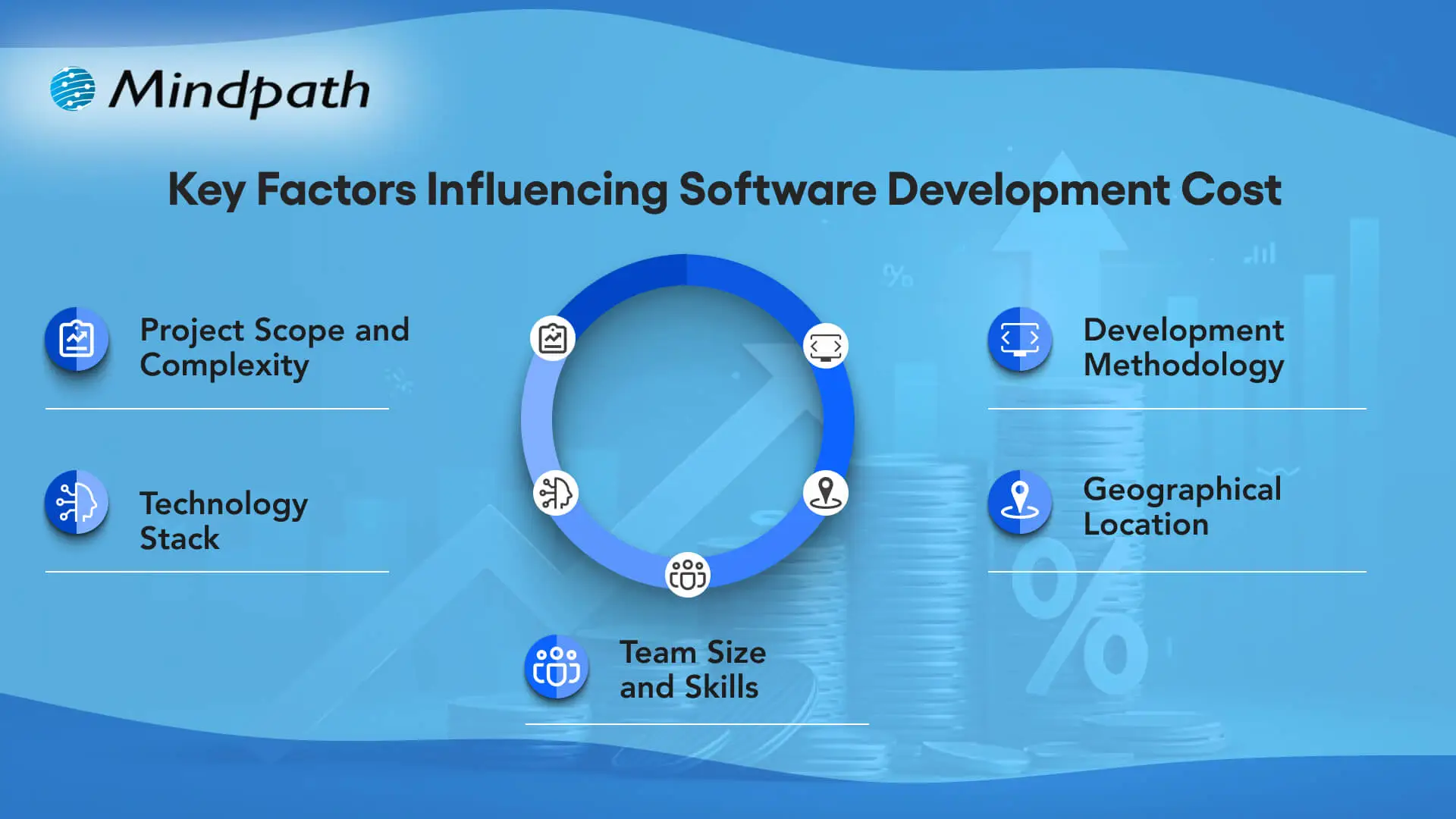
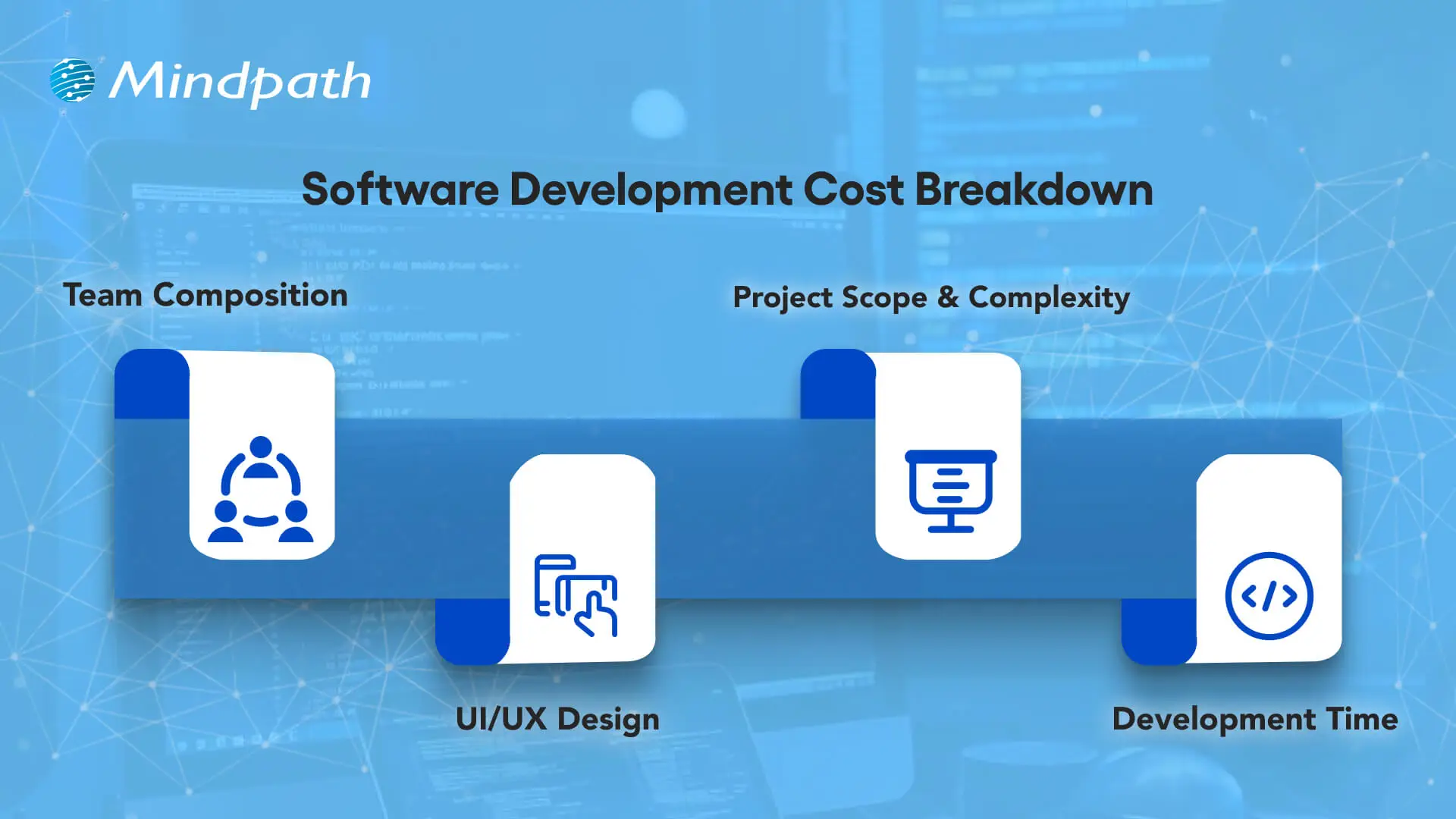
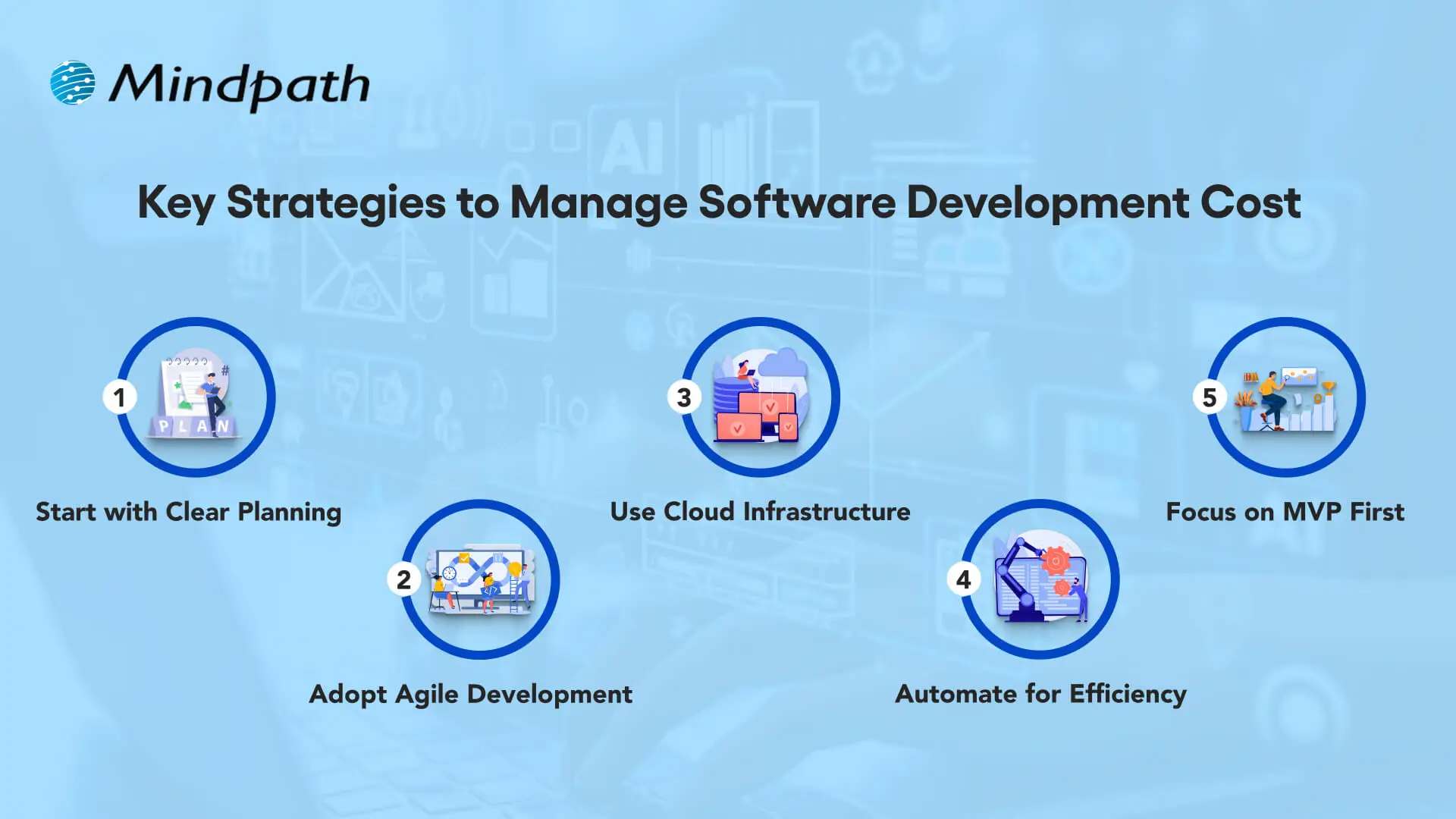
Discover the key factors influencing software development costs and how to optimize your budget. Learn how Mindpath can help.

Related Post

Node.js Developers in Canada

Are you looking for a skilled Node.js developer in Canada to bring your project to life? Do you need a reliable expert who can build fast, scalable, and high-performing applications? Finding the right developer can be challenging, but with the right approach, you can hire a top Node.js professional who fits your needs perfectly.  

Hiring a skilled Node.js developer in Canada is essential for businesses looking to build fast, scalable, and efficient applications. With its non-blocking architecture and real-time capabilities, Node.js is a powerful choice for web and software development. Whether you’re developing a dynamic website, an API-driven platform, or a complex enterprise solution, finding the right developer ensures seamless performance and long-term success. Understanding the key factors in hiring a Node.js expert will help you make an informed decision and achieve the best results for your project. 

Let’s explore how you can make the best choice! 

Steps to Hire Node.js Developers in Canada

1. Define Your Project Requirements

To hire the right Node.js developer, you must first define your project’s technical and business needs. Outline the core functionalities, expected performance, and scalability requirements of your application. Identify the frameworks and tools you want to use, such as Express.js, Nest.js, or MongoDB, and specify whether the role requires front-end expertise alongside back-end development. Additionally, determine the level of experience required—junior developers handle basic tasks, mid-level developers work on feature-rich applications, while senior developers manage architecture and complex integrations. Having a well-documented project scope ensures that candidates understand your expectations from the start. A detailed job description outlining skills, responsibilities, and project goals will help attract the right talent. Without clarity, the hiring process can become inefficient, leading to mismatches in skills and expectations. A structured approach helps filter candidates early and ensures that only those with relevant expertise apply.

2. Source Qualified Candidates

Finding skilled Node.js developers in Canada requires using multiple recruitment channels. Start by posting job listings on platforms like LinkedIn, Indeed, and Glassdoor, which are popular among Canadian job seekers. Consider using tech-specific job boards such as Stack Overflow Jobs or GitHub Jobs to target professionals with strong development experience. Additionally, networking within Canada’s growing tech community can help you connect with skilled developers—attend industry conferences, local meetups, and online forums to discover potential candidates. If you prefer a more streamlined approach, working with tech recruitment agencies can save time by providing pre-screened candidates. Another option is hiring freelancers through platforms like Toptal or Upwork but ensure that remote hiring aligns with your business needs and legal considerations. A strong sourcing strategy increases the likelihood of finding a developer who meets both your technical and cultural requirements, ensuring a smoother hiring process. 

3. Conduct Technical Screening

After gathering applications, the next step is to assess candidates based on their technical skills and experience. Start with a resume review, focusing on past projects, relevant experience, and familiarity with the required Node.js frameworks. Candidates should demonstrate hands-on experience in building scalable applications, working with APIs, and optimizing back-end performance. To ensure technical proficiency, conduct coding assessments through platforms like HackerRank or Codility. These tests evaluate problem-solving abilities, efficiency in writing clean code, and understanding of Node.js fundamentals. Additionally, assess candidates’ experience with database management, security best practices, and cloud-based deployments. An effective screening process filters out underqualified applicants early, allowing only the most capable developers to move forward. By implementing structured assessments, you can streamline hiring and ensure that your chosen developer has the technical expertise necessary to contribute effectively to your project. 

4. Assess Technical and Problem-Solving Skills

Once candidates pass the initial screening, conduct in-depth technical interviews to evaluate their problem-solving abilities. Ask questions about key Node.js concepts such as asynchronous programming, event-driven architecture, API development, and database management. Provide real-world scenarios related to your project and assess how they would approach challenges. A practical coding exercise or take-home assignment can help evaluate their thought process and coding efficiency. In addition to technical expertise, consider their ability to design scalable solutions and optimize application performance. Discuss their experience with DevOps practices, cloud computing, and microservices architecture if relevant to your project. Soft skills are equally important—effective communication, adaptability, and teamwork play a significant role in long-term success. The goal is to hire a developer who not only writes efficient code but also collaborates well with your team and adapts to evolving project needs. 

5. Make the Right Hiring Decision

After evaluating technical skills, problem-solving abilities, and soft skills, the final step is making an informed hiring decision. Compare candidates based on performance in technical interviews, problem-solving assessments, and cultural fit. Strong communication and teamwork are crucial, as developers often collaborate with designers, project managers, and other team members. Additionally, check references to validate past work experience and reliability. When making an offer, consider industry-standard salaries in Canada and ensure compliance with local labor laws. Offering a competitive package, including professional development opportunities and flexible work arrangements, can help attract top talent. If hiring full-time isn’t feasible, explore freelance or contract-based options. A well-structured hiring process ensures you bring in a skilled Node.js developer who aligns with your technical needs and business goals, setting your project up for long-term success. 

Looking to hire top Node.js developers in Canada? At Mindpath, we provide skilled developers who specialize in building high-performance, scalable applications tailored to your business needs. Whether you need full-time developers or project-based support, our experts ensure seamless development with industry-leading technologies. 

Let’s bring your vision to life! Contact Mindpath today to hire the best Node.js talent for your next project. 

Read our next blog: Factors to Consider While Hiring NodeJS Developers in Canada 


Hire skilled Node.js developers in Canada with our step-by-step guide. Learn how to source, screen, and hire top talent for your project.
DevOps challenges

DevOps has played a crucial role in transforming conventional approaches to software development. Businesses utilize DevOps to ensure faster software delivery with improved quality and better collaboration between development and operations teams. However, the discussions about DevOps challenges don’t come into the limelight, with most of the emphasis being on the benefits of DevOps.

Most of the teams working with the DevOps approach experience many struggles and roadblocks, which can be frustrating at times. Awareness of the prominent challenges for DevOps and their solutions can help a business owner find the best strategic approach for DevOps implementation. This post will help you discover some of the prominent challenges in DevOps and their potential solutions.

Don’t know how to tackle the challenges in the DevOps process? Our experts will provide practical strategies that help you move forward and streamline your operations. Contact us to get personalized support to achieve successful DevOps implementation.

Why does DevOps Face Challenges?

The most common answers to “What is DevOps?” paint it as a combination of software development and IT operations. However, you need to dive a little deeper to understand what DevOps actually entails. DevOps is not about introducing a new department in the organization or bringing a specific set of tools for better results. As a matter of fact, DevOps is a paradigm shift that requires businesses to change how they think about collaboration and communication.

You can notice that success in DevOps initiatives is more about the cultural and philosophical shift rather than the technical aspects. Even with the undeniable benefits of DevOps attracting the eyes of business owners, there is no way to ignore the challenges. Many organizations fail in DevOps implementation due to their inability to recognize the challenges that are not purely technical.

Exploring the Most Prominent DevOps Challenges

The utility of DevOps is clearly evident in the different advantages like faster time to market, easier recovery from incidents, reduced deployment failures, and enhanced efficiency. However, a lack of awareness of the challenges with DevOps can lead businesses to waste resources and end up with substandard results. The following sections will help you learn about the most critical challenges for DevOps implementation.

1. Cultural Resistance and Fragmentation

The most prominent challenge for DevOps is the cultural shift that comes with it. The traditional approach to software development involved development and operations teams working in silos. Both teams had different goals, mindsets, and metrics for the same project, thereby leading to conflict. For instance, developers focus on faster delivery and innovation, while the operations team emphasizes stability above everything.

The fundamental difference between the two teams can create problems in the adoption of the DevOps methodology for new projects. One of the notable problems that arises from differences between the development and operations teams is the ‘us vs. them’ mentality. In addition, professionals in both teams accustomed to traditional workflows will showcase resistance to new tools and practices. Furthermore, the lack of active involvement of leadership also creates difficulties for the cultural shift required in DevOps.

2. Complexity of Tools and Integration Process

Any business that wants to embrace DevOps can capitalize on a wide range of tools for every phase of the software development lifecycle. You can find DevOps tools for almost everything, including CI/CD, security, version control, and monitoring. The assurance of access to so many tools offers the flexibility to choose any tool according to your needs. At the same time, it also creates challenges for DevOps projects as choosing the right tools can be a considerably daunting task. Some businesses end up adopting a lot of tools that don’t align with each other, thereby leading to inefficiencies.

Businesses have to face difficulties in achieving seamless integration between different DevOps tools. On top of it, DevOps teams must learn about a wide range of tools, which calls for investing a lot of time in training. The challenges due to the complexity of tools also focus on the inconsistencies in development, testing and production environments that lead to deployment failures.

Looking to optimize your CI/CD pipeline with smarter automation and streamlined processes? Visit our blog on DevOps Best Practices to discover the strategies high-performing teams use to achieve consistent, stable releases.

3. Lack of Attention to Security

The next prominent challenge for businesses in the adoption of DevOps is the lack of attention to security. Since DevOps aims at ensuring faster software delivery, most of the focus of DevOps solutions is on speed. However, businesses forget about security until the final stages of the software development cycle. Pushing security to the later stages of development as an afterthought is responsible for many challenges in DevOps. One of the most critical outcomes of ignoring security till the last stage of development focuses on compliance issues. Without integrating security practices from the beginning, any DevOps initiative is likely to face regulatory penalties.

The delayed attention to security results in the discovery of bugs and errors in the final stages of development. As a result, businesses have to spend more resources and time fixing such errors. The possibilities of bugs passing undetected through different stages of development can lead to the creation of insecure code. The problems arising from insecure code, such as data loss and breaches, can damage the reputation of an organization.

4. Rigidity of Legacy Systems

Most of the organizations embracing DevOps work with legacy systems and applications in their infrastructure. The adoption of DevOps for businesses with legacy systems is a daunting task, as the old systems were not designed for agile paradigms. You can think of monolithic architectures that involve large and tightly coupled applications, which create difficulties in frequent modification, testing, and deployment.

The automation-first principle in DevOps is not applicable in legacy processes that rely heavily on manual configuration and deployment. Businesses have to go through nightmares to discover the complex dependencies in legacy systems during transformation efforts. At the same time, businesses must also remember that older systems have more security vulnerabilities, making it difficult to integrate them into a DevOps pipeline.

Planning to integrate security into your DevOps workflow? Explore our blog on DevSecOps to learn how automated security checks and continuous monitoring strengthen every stage of development.

Discovering the Ideal Solutions to DevOps Challenges

The insights on challenges for DevOps reveal that adopting a unified approach to development and IT operations is not easy. However, businesses can overcome these challenges by following a holistic approach to address the limitations of people, processes, and technology. The following sections offer an overview of some of the proven solutions to the challenges of DevOps implementation.

1. Culture of Collaborating and Sharing Responsibility

The foremost addition among the biggest DevOps trends points to efforts to break down silos and establish cross-functional teams. DevOps initiatives require shared goals around desired business objectives rather than focusing on KPIs of individual departments. Business owners must foster open communication and transparency between teams to create new paths for collaboration and knowledge sharing. Most important of all, leaders must showcase active participation in the projects and communicate with team members. When all team members share the same goals and responsibilities, the chances of cultural resistance and conflicts are reduced by a huge margin.

2. Adoption of Standardized Combination of Tools

The large assortment of tools for DevOps is obviously one of the most complex challenges for business owners. However, the solution suggests that adopting a standard set of tools with a thoughtful approach can prevent confusion. For instance, businesses must identify the critical areas for automation while choosing DevOps services and select tools that perform the best in the concerned areas. Most important of all, businesses must choose tools that facilitate easier integration with existing systems. Platforms such as Azure DevOps or GitLab can be the best picks for DevOps with their integrated version control, project management, and CI/CD capabilities.

3. Security from Early Stages

Another proven solution to a formidable DevOps challenge is the adoption of security as a shared responsibility in all stages of the development cycle. Integration of security practices and tools in the early stages of development can involve scanning the source code during development and testing applications to identify vulnerabilities in the running state. DevOps teams should also use techniques like software composition analysis to recognize and resolve open-source vulnerabilities. The other proven solutions to embrace security in the early stages include automated security checks for CI/CD pipelines and security training.

Looking to combine fast DevOps practices with automated security checks? Check out our blog on DevOps vs DevSecOps to understand how DevSecOps adds proactive, automated safeguards to every stage of your pipeline.

Want to Simplify DevOps and Achieve Faster Time to Market?

The overview of the notable DevOps challenges and the solutions recommended for them showcases that embracing DevOps is not easy. On the other hand, a holistic and strategic approach to fighting against the challenges can help businesses embrace DevOps easily. The right DevOps strategy will not only ensure faster time to market but also achieve new benchmarks of competitive advantage.

We at Mindpath have been serving our clients with end-to-end IT solutions, including DevOps services tailored to their needs and vision. Our experts have the experience required to understand the client’s vision and offer relevant solutions. Talk to our DevOps consultants and discover the ideal way to make the most of DevOps benefits now.

Frequently Asked Questions

1. Why do some DevOps implementations fail despite having the right tools?

Failure often happens when organizations focus only on tools and ignore cultural alignment. Without proper collaboration, shared goals, and leadership support, even the best tools cannot deliver results. DevOps success depends equally on mindset, communication, and well-defined processes.

2. How can organizations measure the success of their DevOps adoption?

Success can be measured through key indicators such as deployment frequency, lead time for changes, system reliability, and recovery time after failures. These metrics help assess efficiency, stability, and the overall impact of DevOps practices on business performance.

3. What role does leadership play in overcoming DevOps challenges?

Leadership plays a critical role in driving cultural change and setting clear goals. Strong leadership ensures team alignment, encourages collaboration, and supports continuous improvement. Without active involvement from leadership, DevOps initiatives may struggle to gain momentum and direction.

4. How can teams manage the transition from legacy systems to a DevOps environment?

The transition should be gradual, starting with identifying critical systems and modernizing them step by step. Breaking monolithic systems into smaller components, automating processes, and testing continuously helps reduce risks and ensures a smoother shift to DevOps practices.

5. Why is continuous learning important in a DevOps environment?

DevOps involves evolving tools, practices, and technologies. Continuous learning helps teams stay updated, adapt to changes, and improve their workflows. It also enables better problem-solving and ensures that teams can effectively handle new challenges as they arise.

Discover key DevOps challenges and effective solutions to streamline development and operations, and boost deployment efficiency.
Monolith to microservices

Enterprise systems tend to have one unified architecture that facilitates early expansion. Gradually, construction gets heavy and hard to ascend. Releases slow down. Minor modifications require huge test cycles. Teams become under pressure to be more innovative. This is where monolith to microservices will be a strategic move towards enterprise legacy modernization. It is not a trend. It is a realistic reaction to actual operation constraints that influence operation, agility, and long-term development.

As businesses grow, they require systems that are flexible and capable of constant delivery and autonomous growth. Nevertheless, a monolithic building goes down only with solid architectural design and business focus. The technology leaders need to reconsider their deployment models, data management, and ownership of teams. Each step requires thorough consideration. In this blog, we will discuss how businesses may proceed in a practical manner to modernize architecture with clarity. So, keep reading!

Looking to simplify complex legacy systems for better agility? Mindpath’s legacy modernization services make it easier to break monoliths into microservices while keeping operations smooth.

What is Monolithic Architecture?

A monolithic architecture integrates all the application elements into a single piece of code. The database layer, business logic and user interface are a single system. Teams develop, test and deploy the application as a whole. It is a structure that promotes centralized control and easy management.

This model has been used by many enterprises to embark on their digital journey. Growth, however, makes the process more complex and causes the changes to slow down. Such a challenge tends to motivate the migration of monolith to microservices to enhance scalability and agility. Nevertheless, it is important to comprehend the monolithic basis before strategizing in terms of modernization.

Some of the advantages of monolithic architecture are listed here:

1. Quick initial development

2. Simple deployment process

3. Managing codes centrally

4. Reduced initial infrastructure price

5. Suitable for small teams

What is Microservice Architecture?

Microservice architecture forms an application of tiny, concentrated services. Every service deals with a certain business operation. They have teams that construct and operate. Services interact via APIs or messaging, which are lightweight. It is a structure that enables quicker releases and better ownership over teams.

Companies that switch from monolith to microservices have the goal of enhancing agility and scalability. Complex systems are broken down into services by teams. They enhance update control and performance control. This model facilitates constant delivery and the alignment of technology to evolving business needs.

Some of the advantages of microservice architecture are listed here:

1. An independent deployment of service.

2. Faster feature releases

3. Better fault isolation

4. Loosely planned technology options.

5. Targeted scalability

Want to ensure your move from monolith to microservices follows a clear direction? Explore legacy modernization strategy to build a structured and effective transformation plan.

Why do Organizations Switch from Monolith to Microservices?

As organizations become more and more application-driven, they become more complex. Monolith to microservices migration becomes a strategic decision when traditional architectures start limiting growth and flexibility.

benefits of switching from monolith to microservices

1. Independent Team Ownership

Microservices provide teams with a definite service scope. The teams are in charge of their updates and releases. This construction minimizes wasting of time and enhances concentration. Organizations that follow monolith-to-microservices patterns build stronger ownership models.

2. Flexible Technology Stack

The appropriate tools depend on the service selected by the teams. They do not rely on a common technology. This innovation and future development is supported by this flexibility. It makes architecture flexible to alterations.

3. Targeted Scalability

Monolithic systems need to scale the whole application. Microservices permit the scaling of particular services. This method enhances management of resources. This accuracy is why many enterprises are abandoning monolithic to microservices.

Must Read: Legacy Modernization Roadmap

4. Better System Stability

Even a single problem within a monolith is capable of affecting all. Microservice provides isolation of failures in a single service. The teams address the issues without impacting the entire system. This improves reliability.

5. Faster Release Cycles

Teams create and implement services on their own. They make releases without necessarily having to recreate the system. This enhances the speed of delivery. Business enterprises migrate from monolithic to microservice to enhance momentum.

6. Easier Maintenance

The huge codebases become hard to handle. Microservices separate applications into smaller parts. Developers are able to maintain and update services with ease. This facilitates long-term clarity.

Planning to reduce system limitations while adopting modern architectures? Learn from the benefits of modernizing legacy systems to improve overall performance.

Key Steps for Migrating from Monolith to Microservices

Organizations need to strategize before they shred a monolithic system into smaller services. Successful migration to microservices is based on clear strategy and disciplined execution.

key steps for migrating from monolith to microservices

1. Assess the Current System

Begin by doing a line-by-line audit of your monolithic system. Check review services, dependencies, data flow, and performance gaps. This analysis forms the basis of successful monolithic to microservices migration.

2. Define a Clear Migration Strategy

Establish simple service boundaries on the capability of the business. Make decisions on the size of the service and the style of communication at the early stage. A strong monolithic to microservices migration strategy reduces confusion and prevents rework.

3. Build the Right Infrastructure

Finalize API gateway, service discovery and CI/CD pipelines. Insert containers and orchestration tools to introduce consistency. The powerful infrastructure promotes consistent monolithic to microservices conversion.

4. Extract a Low Risk Service First

Select a valuable module that is loosely coupled. Build it as a stand-alone service having its database. It is a risk-controlled step that is proving yourself.

Must Read: Benefits of Cloud Migration

5. Refactor and Validate Carefully

Refactor the chosen ones into a single service. Implement it and observe behavior closely. Logging and tracing helps to identify problems at an early stage.

6. Gradually Expand the Migration

Move other modules depending on the business priorities. Break-even monolith tasks gradually. This phased approach supports smooth monolithic application to microservices’ evolution.

7. Separate the Data Layer

Discontinue reliance on a corporate database. Allocate domain-owned datastores to each service. Synchronize the plan data keenly to ensure that it is consistent.

8. Align Teams with Services

Establish cross-functional teams for each microservice. Provide them with complete development and operations ownership. This is a structure that reinforces autonomy and long-term scalability.

Looking to enhance your modernization process with intelligent automation? Learn from AI-driven legacy system modernization to boost efficiency and performance.

Ready to Modernize Your Enterprise Architecture?

Contemporary business requires the ability to expand its systems as it grows and facilitate ongoing innovations. A clear shift from monolith to microservices improves agility, resilience, and operational control. The key to success lies in effective planning and implementation in phases and aligning a team. Through proper strategy, companies become simpler and create future ready digital platforms that underpin long-term business objectives.

At Mindpath, we provide legacy modernization services which help companies plan and implement legacy modernization with confidence and clarity. Our specialists evaluate architecture, establish migration roadmaps and deploy scalable microservices. We are performance-based, stability-centered and result-orientated. Collaborate with Mindpath to modify old systems into nimble, growth-motivated digital systems.

FAQs

1. Why should enterprises consider monolith to microservices today?

Enterprises face rapid market shifts and rising customer expectations. Monolith to microservices helps organizations build adaptable systems that support faster innovation. It also aligns technology with business domains, enabling better ownership, governance, and long-term digital growth without increasing structural complexity.

2. How do we know if our organization is ready for migration?

You should assess technical maturity, DevOps readiness, and team structure. Clear service boundaries and business alignment indicate strong readiness. Leadership commitment also plays a key role in successful transformation and sustainable architectural evolution.

3. Is monolith to microservices suitable for every business?

Not every system requires immediate migration. Smaller or stable applications may perform well as monoliths. However, enterprises planning aggressive scaling, multi-team collaboration, or global expansion often benefit from monolith to microservices as a long-term strategy.

4. What technical challenges arise during data separation?

Data decoupling often introduces consistency and transaction complexity. Teams must design domain owned databases and manage synchronization carefully. Event-driven patterns and API governance help maintain reliability during service level transitions.

5. How can Mindpath support our legacy transformation journey?

Mindpath’s legacy modernization services guide enterprises through assessment, planning, and execution. Our experts design scalable architectures and structured migration roadmaps. We help organizations transition confidently using proven monolith-to-microservices approaches aligned with measurable business outcomes.