Types of Software Development: What Every Business Should Know

Join our Newsletter!

Featured Posts

Support Is One Click Away

Home

Types of Software Development: What Every Business Should Know

types of software development

Types of Software Development: What Every Business Should Know

Picture a scenario in which you are running a growing business, and things are moving at a fast pace. At this point, your customers will expect more; teams will need better tools, and competition will just be a click away. You must keep in mind that the real game changer isn’t just having software but rather, its choosing the right kind of software. For this, understanding the types of software development can make a huge difference.  

Behind every great digital solution, there lies a specific type of development which is tailored to a specific need. Understanding the key categories of software development enables businesses to make smarter, confident investments while choosing the right technology teams to partner with for the future. So, if you are interested in knowing about the software development types, then this blog will guide you perfectly. We will explore the major kinds of software development, which every business should know to make smarter investments and drive meaningful growth. 

To begin with, let us first have a basic understanding of software development. 

Are manual operations draining time and resources from your business growth? At Mindpath, we offer end-to-end software development services to automate processes and enhance efficiency.

What is Software Development?

Software development refers to the act of creating, designing, testing, and maintaining applications or systems that run on devices or computers. It combines the imaginative and creative process with the technical process of building software that can help your business work smarter and serve your clients better. Developers take your ideas and combine programming languages, libraries and frameworks to develop working software that solves real problems. 

There are many benefits of custom software development for businesses. It can increase productivity via automation and lower costs by streamlining processes. It also increases customer satisfaction through user-friendly overall features and allows companies to stay ahead of competitors by providing innovative solutions. Software can also be customized to provide better management of growth within the business and can enhance data cybersecurity protocols and processes while supporting better collaboration across teams.  

What are the 5 Principles of Software Development?

Strong software development relies on key principles that guide the process and ensure reliable, high-quality results. These principles help teams build software that is efficient, adaptable, and easy to maintain over time. 

1. Working in Iterations

Working in short cycles allows teams to test, adjust, and improve regularly. This keeps the software flexible and ready for change. 

2. Reuse Components

Building with ready-to-use parts speeds up development and keeps the software consistent. It also makes updates and maintenance much easier. 

3. Set Quality Standards

Setting clear quality standards from the start helps catch problems early. It ensures the final product meets expectations and works reliably. 

4. Plan Architecture First

A strong foundation starts with early architectural planning. It helps avoid confusion, improves decisions, and sets the direction for smooth development. 

5. Control Changes Effectively

A clear system for handling changes keeps the project stable. It helps teams adapt without causing confusion or risk to the software. 

Curious why software development prices can vary so much? Explore the factors behind software development costs before your next project and avoid common budgeting mistakes.

What are the Different Types of Software Development?

Software development comes in many forms, each designed to meet specific business or user needs. Understanding these different types helps businesses choose the right solutions for their goals and growth. 

1. Frontend Development

Frontend development is a software development type that focuses on the part of an application users see and interact with. It involves creating user interfaces that are smooth, responsive, and visually clear. Frontend developers work with tools and technologies like React, CSS, JavaScript, and Flutter. Their goal is to ensure a great user experience on both web and mobile platforms. 

2. Backend Development

Backend development focuses on the parts of an application that users don’t see. It includes building servers, databases, and the internal logic that powers the software. Backend developers use technologies like Java, Python, and Django to make sure everything runs smoothly. They connect the front end with data and functions to keep the application working behind the scenes. 

Must Read: Role of Front-end and Back-end

3. API Development

API development is about creating connections that let different software systems talk to each other. Developers build APIs to help applications share data and work together more easily. This is useful for adding features like payment systems, login tools, or maps from other services. API development makes software more flexible and able to work with a wide range of platforms. 

4. Cloud Computing Development

Cloud computing development is the software development process of building applications that run on platforms like AWS, Microsoft Azure, or Google Cloud. It helps businesses store data, manage services, and scale their systems more easily. Cloud developers set up secure and flexible environments tailored to company needs. This process supports smooth operations and better performance without relying on local servers. 

5. Database Development

Database development focuses on building systems to store, manage, and organize data. Developers work with different types like SQL for structured data and NoSQL for more flexible, unstructured data. Some databases are made to handle huge amounts of information, often used for big data and real-time analytics. The goal is to keep data accurate, secure, and easy to access when needed. 

6. DevOps

DevOps engineering combines development and operations to build and deliver software more efficiently. It focuses on teamwork, automation, and continuous improvement throughout the project. DevOps engineers use skills like coding, testing, and scripting with languages such as Python, Java, and PHP. One big advantage is that quality checks continue even after the software is launched. 

7. Full-Stack Development

Full-stack development covers both front-end and back-end work to create complete, user-friendly software. A full-stack developer understands how to build smooth interfaces and also manage server-side systems that power the application. They often use a wide range of software development tools to deliver reliable and efficient results. Teams can also achieve this by having front-end and back-end developers work closely together. 

8. Mobile Development

Mobile development focuses on creating apps for smartphones and tablets. Developers may specialize in building for Android using Kotlin or Java, or for Apple devices using Swift or Objective C. Some also work on hybrid apps that run on multiple platforms, which need special skills. Mobile developers handle coding, design, and maintenance to make sure apps work well on different screen sizes and devices. 

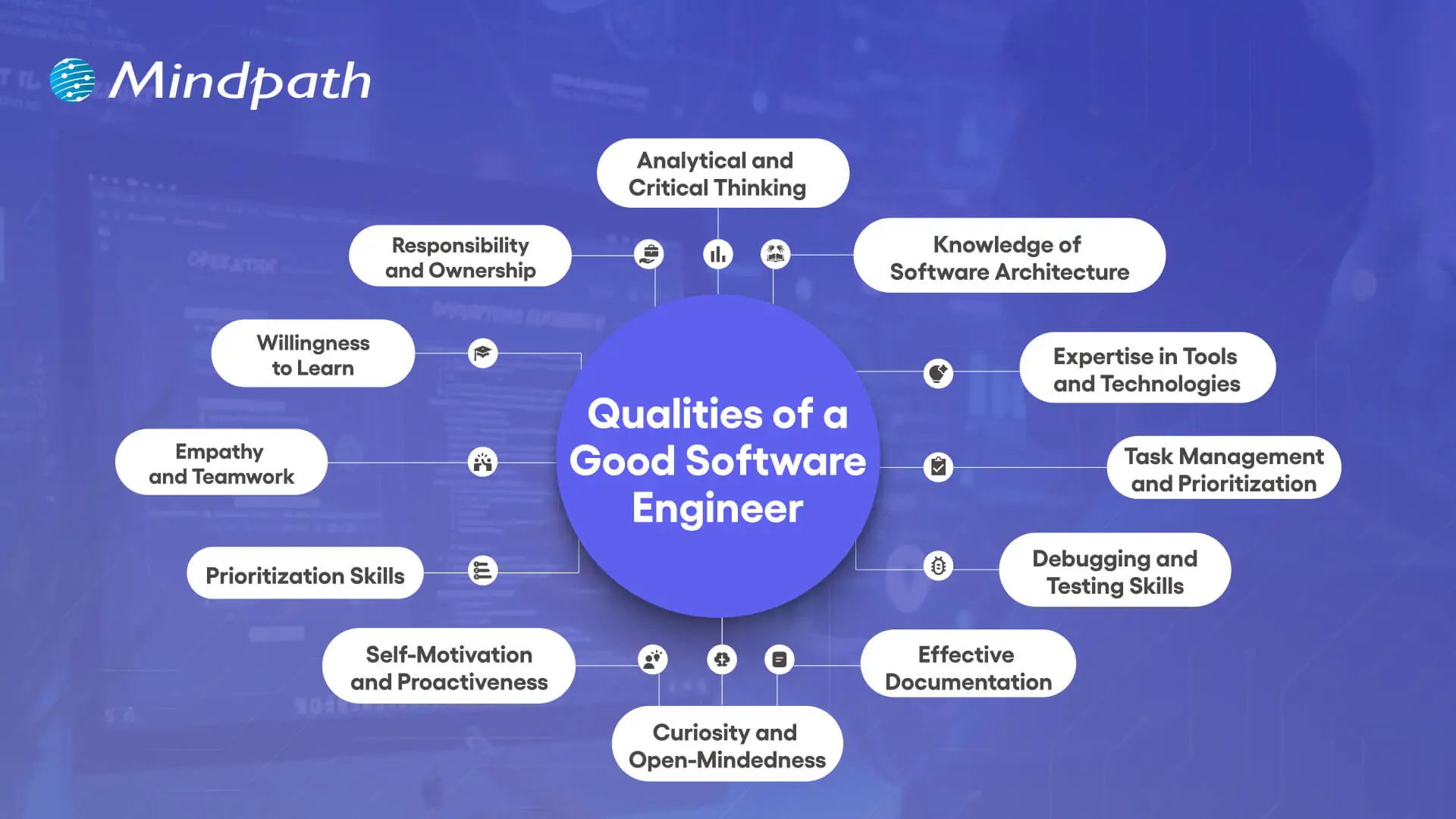
Wondering what makes a software engineer truly effective in driving business success? Discover and understand the top qualities of a good software engineer that set top developers apart.

Which Type of Software Development Fits Best for Your Business Needs?

Understanding the various types of software development helps businesses choose the right solutions to grow and succeed. Each type plays a unique role in creating software that meets specific goals, improves efficiency, and enhances user experience. Knowing these types allows smarter decisions and better investments in technology. 

At Mindpath, we provide expert software development services tailored to your business goals. Our skilled team works with you to build reliable, efficient, and user-friendly software solutions. Partner with us to get the right development support and technology expertise for your next project. 
Related Post

Discover how AI enhances cybersecurity with smarter threat detection, faster responses, and proactive vulnerability management to protect your business in the digital age.
Discover Automation-as-a-Service (AaaS) and its benefits, including improved efficiency, cost savings, and seamless integration for your business.

Related Post

Benefits of containerization

In the technology-driven world, containerization technology has emerged as a highly promising innovation. In a short period, it has been recognized as a reliable tool that can be used for streamlining DevOps workflows.

According to IBM’s recent report, the global container market is likely to reach USD 3123.42 million in the year 2031. It shows that more organizations are shifting towards containerization to leverage its benefits for modern development. Let’s explore the containerization meaning in detail and look at its key benefits!

Are you ready to take full advantage of containerization for your projects? Contact us, and our experts will guide you on how to implement it effectively in your business, which will boost the overall performance.

What is Containerization?

Containerization refers to a novel software deployment process. It bundles the code of an application with all the libraries and files that are needed to run in any environment. Conventionally, developers could run applications by installing the versions that matched the operating system of their machine.

However, by utilizing containerization tools, developers can create a container or just one software package that is capable of running on diverse kinds of operating systems and devices. A common containerization example involves Netflix since it relies on containers for scaling thousands of microservers for powering its platform.

Curious how containerization impacts your development budget? Check out software development costs to see how to save while going modern.

Why is Containerization Needed?

In the present times, many believe that containerization holds the promise to modernize legacy systems. This is possible since it can help create new and scalable cloud-native software applications. Containerization functions by acting as a kind of OS virtualization, where you can easily run apps in isolated user spaces.

In the modern software development context, containers serve as executable software packages. They bundle the application code with all the necessary configuration files, libraries, and other dependencies that are required for it to run. Containerization is needed since it fragments operating systems into smaller sections that can be used by developers in an efficient way. It is believed to be one of the most revolutionary developments in the software development space.

Also Read: Types of Software Development

Top Benefits of Containerization

The benefits of containers are of high value for software developers. If you are into software development, it is a must for you to not only familiarise yourself with containerization but also learn about its benefits. Some of the chief containerization advantages are:

1. High Portability

One of the main benefits of containerization is related to high portability. A container is capable of bundling dependencies. Thus, by leveraging the innovative technology, software developers can take their software application almost anywhere without having to rebuild it to suit a new environment. The abstraction that is offered by containerization makes sure that the container works in a similar manner, no matter where it is deployed.

2. High Efficiency

One of the key advantages of containerization you need to be aware of revolves around its efficiency. In fact, it is considered to be one of the most efficient forms of virtualisation that exists in the modern development context. Containers are able to boost the efficiency level in two ways. These ways are the use of all the resources and the minimization of the workload. Isolated containers are able to perform their specific operations without any kind of interference or disruption from other containers.

3. Better Agility

At present, containerization serves as a valuable tool that can be used for streamlining DevOps workflows. Software developers can gain value from the advantages of containers and solve a plethora of DevOps challenges. For instance, when developers need to carry out a task, they can create a container to handle it in a prompt and efficient way. It thus empowers software developers to promptly respond to diverse problems that arise in their path.

4. Improved Scalability

One of the top containerization benefits is related to the scalability dimension. Containers act as extremely lightweight software components that can run in an efficient manner. As a result, software developers are able to effortlessly add multiple containers for diverse apps on one machine. The container cluster is able to utilize computing resources from one shared operating system.

Worried about security slowing down your development process? Learn about DevSecOps and discover how integrating security into DevOps ensures faster, safer software delivery.

5. Greater security

Containerization supports a greater level of security in the software development context. The isolated nature of containers automatically minimizes the level of security risks. Thus, the ability of malicious actors to compromise the security aspects is reduced to a significant extent. Moreover, software developers also have the option to leverage security scanning tools for the purpose of scanning container images and locating known vulnerabilities.

6. Faster delivery of software solutions

Typically, software development teams take a fairly long time to move from the conceptualization stage to implementation. By capitalizing on containerization, it is possible to shorten the gap between these phases. This is because Continuous Integration (CI) acts as a natural extension of containerization. It shortens the software development process and makes it more efficient by automating diverse processes relating to testing as well as creating new code.

7. High degree of flexibility

One of the main advantages of containerization is that it allows software developers to develop apps in a versatile manner. This is because they can flexibly operate their code in diverse environments. Irrespective of the demands of the deployment process, containerization can make sure that all your needs are effectively met in the modern development context.

8. Improved fault tolerance

Many modern software development teams leverage the containerization approach so that they can utilize containers for creating fault-tolerant apps. In fact, developers have the option to utilize a diverse range of containers for running microservers on the cloud. As containerized microservers are capable of operating in an isolated manner, a single faulty container does not have an adverse impact on other containers. As a result, the overall resilience improved in the modern app development space.

Worried about keeping your applications reliable under pressure? Explore the top DevOps trends for 2026 to learn how modern practices improve resilience and fault tolerance.

Things to Know Before Using Containerization

It is true that containerization gives rise to a host of benefits for modern software development. However, the technology has certain points that you need to be aware of so that you can optimally leverage the novel technology. Some of the main cons of containerization include:

1. Orchestration

When it comes to virtualization, developers have the option to utilize just one orchestrator. However, if you choose the containerization approach, you have to select from diverse orchestration tools. Some of the common tools that you may consider include Mesos, Swarm, or Kubernetes.

2. Monitoring

When it comes to containerization, it is a must to continuously monitor containers for performance as well as security. Without proper monitoring, concerns relating to security and performance may arise. However, the good news is that several monitoring tools are available that you can utilize for monitoring purposes.

3. Data Storage

In the case of virtualization, the data storage aspect is pretty simple and straightforward. However, that is not the case when it comes to containerization since it involves a high degree of complexity. In the case of persistent container data, developers need to move it to the host system or a location with a persistent file system from the application container. Moreover, the design of containers may lead to data loss since the data present inside may disappear after the container shuts down, if you have not stored the data elsewhere.

Want to ensure your team has the right skills to make the most of containerization? Discover the key qualities of a good software engineer who can implement modern development practices effectively.

Final Words

In the modern software application development realm. The role of containerization is indispensable. The novel approach has been acting as a transformative force and empowering software developers. Some of the main benefits of containerization include high portability, better efficiency, improved agility, better scalability, and greater security.

Businesses can capitalize on the containerization process by partnering with Mindpath. The experts will ensure that your app development process can become efficient, scalable, and secure by leveraging the containerization approach optimally.

Discover how containerization benefits modern development with easy management, scalability, efficiency, and security. Boost your apps today!
mobile app development trends

Every year, new technologies reshape the way we use our mobile phones, and 2026 is no exception. If you are willing to create an app or just curious about the future of mobile technology, then staying updated with the latest mobile app development trends will be considered as a smart choice. These trends are not buzzwords but instead play a role in shaping the way individuals utilize apps, how they are developed by developers and how companies can expand through mobile platforms.

The mobile app world is changing at a quick pace, and 2026 will bring to us some of its most game-changing innovations. From smart AI features to faster and safer user experiences, mobile applications are becoming more effective and helpful in our day-to-day lives. This blog will walk you through the top 10 trends in mobile app development in 2026. 

Want to turn your mobile app idea into a powerful digital solution, but unsure where to start or whom to trust? Mindpath offers expert mobile app development services, building scalable applications tailored to your business needs.

Before learning about the trends, we must have a quick look at the market value of mobile app development: 

Interpreting the Mobile App Development Market Value

According to a study by Allied Market Research, the worldwide mobile app development industry was valued at $195.7 billion in 2023 and is likely to grow to $606.1 billion by 2032. This growth, with a CAGR of 13.1% between 2024 and 2032, is primarily because an increasing number of people are using smartphones and wish to have apps according to their individual requirements.

mobile app development google trends
Mobile App Development Google Trends

New technologies are helping to make apps smarter and more useful. More people shopping on phones and working remotely after the pandemic has also made mobile apps more popular around the world. Let’s see what are the latest trends for mobile app development in 2026.

Curious about the latest tools shaping modern mobile app development and how they impact performance and scalability? Read our blog on Mobile App Development Tools to explore the frameworks, platforms, and technologies developers rely on to build powerful apps.

Latest Mobile App Development Trends in 2026

The future of mobile app development is looking brighter than ever, with groundbreaking trends that are set to reshape the way we interact with technology. As we move forward, these emerging trends will drive innovation as well as set new standards for app performance and user experience. Let us take a look at it:  

1. Artificial Intelligence (AI)

Artificial intelligence (AI) in mobile app development is revolutionizing in 2026. With advancements such as Apple’s Core ML 3, developers are now able to more easily incorporate AI into their apps. AI will make apps smarter, enhancing performance and user experience, and will be a driving force in defining the future of mobile applications.  

2. Augmented Reality (AR) and Virtual Reality (VR)

Augmented Reality (AR) and Virtual Reality (VR) will be big trends in mobile app development in 2026. AR is becoming more practical and useful across different industries, while VR is enhancing gaming experiences on mobile devices. Both technologies are helping create more interactive and engaging apps. As these trends grow, we’ll see AR and VR shaping the way users interact with apps in exciting new ways. Based on research by Statista, revenue in the AR & VR market worldwide is projected to reach US$46.6bn in 2026, with an annual growth rate (CAGR 2026-2029) of 7.42%, leading to a projected market volume of US$62.0bn by 2029. 

3. Predictive Analytics

Predictive analytics is transforming how mobile apps work. By using AI and data analysis, apps can now predict what users want or need, offering personalized experiences. In 2026, this technology is widely used to improve app interfaces and user interactions. Apps will offer content and suggestions based on each user’s actions, making them feel more intuitive and relevant. 

4. Cloud Computing Integration

In 2026, cloud computing will become a key trend in mobile app development. It allows apps to store data and perform tasks on the cloud, rather than relying on the user’s device. This will not only improve app performance but also make development more efficient and cost-effective. As cloud technology continues to grow, it will play a major role in shaping mobile app functionality. According to Precedence Research, the global cloud computing market was valued at USD 753.11 billion in 2024 and is projected to grow to approximately USD 5,150.92 billion by 2034, with a CAGR of 21.20% between 2026 and 2034. 

Also Read: Cloud Computing Trends

cloud computing market

5. Chatbots

In 2026, chatbots will see widespread adoption in mobile apps, enhancing customer service and user interactions. Driven by AI, they will provide more natural, human-like responses, improving efficiency and responsiveness. This integration will streamline support processes and elevate the overall app experience, making it faster and more intuitive for users. 

Also Read: Benefits of Chatbots

6. 5G Technology

The rollout of 5G in 2026 will enhance app performance by providing faster speeds and lower latency. This will enable apps to support more advanced features and deliver smoother user experiences. With improved network efficiency, users can expect faster data processing and better overall functionality. The faster connectivity will also open doors for new, innovative app capabilities. 

7. Internet of Things (IoT)

The Internet of Things (IoT) is transforming how we interact with everyday devices, offering more convenience and automation. From controlling home appliances to managing security systems, IoT is becoming integral to modern living. As more devices become interconnected, the potential for smarter homes, workplaces, and healthcare solutions will continue to grow, creating a more seamless and efficient experience for users. 

8. Low-code /No-code Development

Low-code/no-code development is revolutionizing how apps are created by simplifying the process and allowing users with little to no coding experience to build apps. This approach speeds up development significantly, making it easier to create and modify apps quickly. By empowering business stakeholders and non-developers to participate in the process, it ensures the final product better meets user needs and business goals. Based on Statista statistics, the global low-code platform market is expected to reach around 65 billion U.S. dollars by 2027, reflecting its rapidly growing demand. 

9. Mobile App Security

Mobile app security is crucial as more businesses use apps to handle sensitive customer data. Vulnerabilities in apps can expose users to cyberattacks, leading to financial loss, fines, and a damaged reputation. To protect apps, developers must integrate strong security measures such as encryption, multi-factor authentication, and secure coding practices. Regular updates and testing are also essential to maintaining robust security. 

10. Apps for Foldable Devices

Foldable devices are making a strong comeback, with popular models like the Samsung Galaxy Z Fold 5, Huawei Mate X5, and Motorola Razr 40 leading the way. These devices allow users to adjust the screen size, providing both portability and an expanded experience. As their popularity grows, the demand for specialized mobile apps will rise, requiring optimized interfaces that adapt seamlessly as screens fold and unfold. 

Ready to discover how modern mobile apps are built? Explore the latest Mobile App Development Technologies that power innovative and user-friendly applications.

Embrace the Future of Mobile Apps with the Latest Technology and Trends

The future of mobile technology is full of exciting changes. The top trends in mobile development for 2026 show us how fast the industry is moving. From smarter AI to apps for foldable devices, each trend brings new ways to build better user experiences. Staying updated with these trends in mobile development is important for creating apps that are fast, secure, and user-friendly. 

At Mindpath, we specialize in using the latest technology for mobile app development. Our team follows the latest trends in mobile development to deliver apps that are modern, efficient, and built for the future. If you’re looking for a mobile app development company your search ends here. We at Mindpath have a team of professionals with expertise in creating AI-powered apps, apps built for 5G, or solutions optimized for foldable devices, we’re here to turn your idea into a reliable mobile solution. 

Hire ReactJS developers in New York

New York is one of the prominent business hubs and destinations for technological innovation in the world. If you want to hire ReactJS developers in New York to build a dynamic and user-friendly web presence for your business, then you have arrived at the right place. Every business owner in New York must know the best way to recruit top ReactJS developers to tap into the advantages of ReactJS. Let us learn the best practices for hiring ReactJS developers in New York now. 

If you are looking to hire the right ReactJS developer, Mindpath’s expert ReactJS developer in New York  are committed to understanding your goals and then transforming them into a scalable web application.

Demand for React Developers in New York

The vibrant tech scene in New York has become extremely competitive with professionals aspiring to create high-performance and scalable solutions. You can find numerous startups, agencies, and big players looking for the best frontend developers in New York. The React developer job market is still robust in 2025, with options to capitalize on numerous full-time, freelance, and outsourcing opportunities. ReactJS developers have become one of the most invaluable assets in the technology job market for building single-page applications as well as complex, large-scale applications.

Business owners in New York also need ReactJS developers to make the most of their skills for optimizing application performance. React developers also offer the facility of integration with different APIs, with skills to use GraphQL and RESTful principles. The demand for ReactJS developers is also increasing for their fluency in ES6+ specifications of JavaScript and TypeScript. On top of it, the skills of ReactJS developers also focus on the implementation of robust state management solutions. 

Must Read: ReactJS Development Services Benefits

Is ReactJS Still Relevant in New York in 2025?

For a framework that has been around since 2013, ReactJS has definitely set some impressive benchmarks for frontend development. Business owners want to hire a React developer in NYC because it is still the top favorite for creating visually appealing user interfaces. The distinctive features of ReactJS, such as the component-based architecture, declarative programming, and virtual DOM, have made it a powerful frontend development tool. 

The component-based architecture allows developers to create and capitalize on reusable components, thereby reducing the development time while ensuring consistency. ReactJS follows a declarative syntax, which ensures a simpler process for developing intuitive user interfaces with fewer bugs. The virtual DOM feature enables faster rendering, alongside improving performance by reducing the need for direct manipulation of the actual DOM of the browser.  

Some of the other prominent features of ReactJS that have increased the demand for React developers in NYC include cross-platform development capabilities and an expanding ecosystem. ReactJS offers support for cross-platform development with React Native that can help business owners deliver a consistent experience on web and mobile platforms. 

On top of it, React also has a continuously expanding ecosystem of tools and libraries to capitalize on new functionalities. With the assurance of easier access to such resources, React facilitates faster development of high-performance solutions. You can think of it as a powerful collection of tools that helps you create engaging and fast digital products. 

Do you know how current ReactJS trends can influence performance and user experience? Read the key ReactJS trends every business owner should understand before investing in development.

Which Skills Should You Look for in ReactJS Developers?

The foremost thing that you should keep in mind while hiring React developers is the list of essential skills. The answers to “What skills should a ReactJS developer in New York have?” must include a blend of technical and soft skills. When you have to check the technical skills of React developers, you must not only evaluate their core React expertise but also their broader understanding of frontend development. Similarly, hiring managers must look for other soft skills beyond communication and teamwork in ReactJS developers.

1. Technical Skills of ReactJS Developers

Employers focus mostly on the technical skills of candidates while hiring for the role of React developers. It is important to note that the list of ReactJS developer skills to look for in NYC will have a mix of core ReactJS skills and fundamental web development expertise. 

2. Core ReactJS Skills

The core ReactJS skills include an in-depth understanding of ReactJS fundamentals, such as React components, hooks, lifecycle methods, prop and state management. React developers must also know how to work with semantic JSX code to write clean, efficient, and maintainable code. 

The other core ReactJS skills required of developers include expertise in state management and the ability to use React Router. Hands-on experience in state management libraries helps in managing complex application states, while React Router enables seamless navigation in single-page applications.

3. Web Development Skills

The next important highlight in skill requirements in a guide on how to hire ReactJS developers focuses on web development expertise. ReactJS developers must have hands-on expertise in fundamental web development skills. The essential web development skills include a deep understanding of modern JavaScript features in the ES6+ specifications. Applicants must know how to work with asynchronous programming and array methods, along with a practical understanding of TypeScript. 

ReactJS developers should also showcase fluency in HTML5 and CSS3. The importance of HTML and CSS in enhancing accessibility, responsiveness and aesthetic appeal of web apps makes them mandatory additions to the skills of ReactJS developers. During the process of hiring ReactJS developers in New York, you must also check whether they know version control and API integration. Proficiency in version control tools like Git can help you with the benefits of collaborative development. ReactJS developers should also know how to build tools used in React web projects and package managers like npm.      

4. Additional Technical Skills

The task of finding the most efficient ReactJS developers in the NYC job market can become easier with attention to additional technical skills. While the additional technical skills may not be a necessity, they are good to have in a ReactJS developer. The skills include an understanding of Next.js to improve SEO, server-side rendering, and static site generation, performance optimization, and knowledge of testing frameworks.

Candidates applying for React developer jobs in New York must also know the fundamental principles of UI and UX design. At the same time, they must have a basic understanding of popular cloud platforms and their capabilities for deploying React apps. Furthermore, fluency in agile methodologies such as the Scrum framework makes React developers more valuable to any team. 

6. Soft Skills of ReactJS Developers

While technical skills are the primary requirements for React developer jobs, business owners cannot undermine the importance of soft skills. Hiring managers can find the top ReactJS talent in New York only by checking whether candidates can work in dynamic work environments. The notable soft skills that you should look for in React developers include problem-solving, adaptability, communication, teamwork, and a proactive attitude. 

Business owners expect ReactJS developers to understand their problems and craft user interfaces that solve them. React developers must have a critical thinking mindset to review every problem from different perspectives before making decisions. The dynamic changes in the technological landscape also provide strong reasons to look for React developers with adaptability skills. Developers who can embrace new technology trends without any conflicts can help businesses make the most of the full potential of ReactJS.

ReactJS developers must also have excellent communication abilities that help them share details of the web project with different stakeholders. Communication skills complemented by teamwork can empower developers to capitalize on the benefits of cross-disciplinary collaboration. Furthermore, the proactive attitude of React developers helps them take the initiative to solve existing problems or identify new areas for improvement. 

Want to keep your large React app fast and responsive as it scales? Discover the best practices for optimizing React performance for large applications.

Which Hiring Model is the Best for Your Business?

Hiring a ReactJS developer may be one of the toughest decisions that you can take as a business owner. Why? Isn’t ReactJS supposed to be beneficial for your web projects? While ReactJS is a powerful tool for frontend development, business owners are worried about finding skilled developers. Interestingly, the search for answers to “How do I find a skilled ReactJS developer in NYC?” might have you thinking about hiring models. 

Business owners might have to choose an option from different hiring models, such as in-house, freelance, remote developers, or professional development agencies. The review of the benefits of each hiring model can help you determine which one would align with your business needs. Let us check out the benefits of each hiring model to capitalize on the skills of React developers.

1. In-house Hiring

The most common approach for welcoming ReactJS developers to your organization is in-house hiring. It enables deep team integration and strong cultural benefits, albeit with the challenge of a longer recruitment process. Companies that need stronger team cohesion can choose in-house teams.

2. Freelance and Remote Hiring

The other two prominent alternatives to hiring React developers in New York include freelancing or hiring remote developers. The biggest advantage of choosing freelancers or remote ReactJS developers in New York is the assurance of cost reduction. On top of it, you can also find the opportunity to capitalize on the expertise of a global talent pool. Business owners should consider these hiring models for short-term projects, filling crucial skill gaps, and hiring within budget restraints.

3. Professional Development Agencies

Another powerful alternative that can help business owners find trusted ReactJS developers for their web projects in New York is professional development services. You can choose New York-based ReactJS development services to avoid the trouble of hiring a dedicated in-house developer. The most promising advantage of professional ReactJS development services is access to a team with diverse skills. Developers working with professional agencies can take on large and complex projects without incurring management overhead. 

Wondering how businesses are building high-performing teams while reducing overhead costs? Explore the Key Benefits of Hiring Remote Developers to understand why remote hiring is a smart strategic move.

Ideal Roadmap for ReactJS Developer Hiring Process

The ability to navigate the evolving technology job market in NYC makes a hiring manager capable of identifying top-tier talent. Business owners must pay attention to the following points in the process for hiring ReactJS developers for their web projects. 

1. Design an Attractive Job Description

The estimates for ReactJS developer hourly rates in NYC suggest that you need talent that can contribute more value to web projects. Therefore, you need a clear and attractive job description that would bring in top talent to your organization. You should create a job description that mentions the specific skills required in React developers for your web project. The job description must outline the required experience level and preferred tech stack to attract developers with relevant skills.

2. Discover the Right Hiring Platforms

One of the most crucial aspects in the hiring process is the choice of platforms used for hiring resources. As the ReactJS developer cost in New York continues rising, business owners want to discover new alternatives. For instance, freelance marketplaces offer easy access to pre-vetted talent for cost-effective work. On the other hand, professional development services can serve as the best option to get the job done by experts. 

3. Use Effective Screening and Interview Techniques

The importance of effective screening and structured interviews for finding the right talent can never be undermined. Hiring managers know the rising cost of hiring developers in NYC and should ensure that the owner’s money goes in the right place. Effective screening of React developers involves more than a resume review with a focus on automated technical assessment and code reviews. Interviews must be tailored to evaluate the capabilities of developers to solve real-world problems with their ReactJS skills. The interviews should not only test the technical skills but also the behavioral skills and cultural fit of candidates.

4. Understand the Cost of Hiring ReactJS Developers

The answers to “What is the cost of hiring a ReactJS developer in New York?” can help you a lot during the hiring process. How? The salary of ReactJS developers forms a significant share of the hiring costs. The average annual salary of ReactJS developers depends on their skills, experience, and specific skillset. Professional development services can help you find ReactJS developers who fulfill all these essential criteria. You can expect the annual salary of ReactJS developers to vary between $100,000 and $155,000.

Looking for specialists who can handle complex front-end challenges in your business? Learn why partnering with an expert React Development Company is a smart move.

Final Thoughts

Most of the guides on React developer hiring tips focus on the steps in the hiring process. However, it is important to understand that hiring becomes easier when you know the essential prerequisites. For instance, awareness of essential ReactJS developer skills helps in improving the screening process. 

Mindpath is one of the trusted destinations to find the services of expert ReactJS developers in New York. You can move beyond the answers to “Is it better to hire freelance or in-house React developers?” with our team of professional ReactJS developers. We have helped our clients craft visually appealing and intuitive web experiences from raw ideas with the help of the latest technologies. Contact us now for all your ReactJS developer staffing needs in New York.

Discover the ultimate guide to hiring Node.js developers in London. Learn about the skills, benefits, and cost factors involved in finding the right talent for your project.