2024 Tech Trends: Navigating the Future of Innovation

Join our Newsletter!

Featured Posts

Support Is One Click Away

Home

2024 Tech Trends: Navigating the Future of Innovation

Tech Trends

2024 Tech Trends: Navigating the Future of Innovation

Curious about what’s going to be big in tech this year? Want to know the trends that will shape our world in 2024? In this blog we will explore the latest technology trends that are set to shape the future. 

The world today is fast-moving and changing constantly; hence, businesses and professionals need to keep up with the latest technologies.  Be it learning new skills to get ahead in your career or just knowing what’s happening around you to effectively communicate in your workplace, knowing the changes in technology makes all the difference.  It would make the workflow easier, save much time, and increase productivity.  Much of today’s job search is conducted through digital tools and platforms, so keeping ahead of the game to ensure you present yourself in the best light possible is highly important. In addition, updated technology has made it possible for businesses to better reach their potential customers with very relevant content across social media, apps, and blogs. Staying ahead of the technology curve better engages and understands your audience, establishes stronger relationships, and helps to differentiate you in the marketplace. 

So, let’s dive into the latest technology trends that can help you stay updated as well as transform the future! 

Top 10 Technology Trends 2024  

1.  AI-Generated Content   

One of the major tech trends of 2024 should be AI-created content. Artificial intelligence is capable of creating high-quality content in textual, visual, video, and even musical formats. For example, tools like GPT can write articles or help with education-related materials, such as generating summaries for textbooks or creating engaging blog posts. DALL-E will produce unique and different images based on simple descriptions, like custom illustration designs for a website or to use for adding visuals to a social media campaign. It eases and speeds content creation, especially for small businesses or individuals with meager budgets. For example, a small online shop could use AI to create promotional graphics for a sale or quickly generate product descriptions. AI-generated content saves time and money, giving more opportunities to let their ideas be heard on a greater scale. 

2. Quantum Computing   

Quantum computing is one of the most exciting technology trends that will make a difference in 2024. A quantum computer avails itself of the law of quantum mechanics to deal with information much more quickly compared to traditional computers, especially for specific tasks. This could be applied to cryptography: quantum computers would resolve cryptographic codes and change the idea of securing data. The quantum computer can accelerate the process of drug discovery by emulating a complex structure of molecules precisely, and thus aid in the development of new medicines. Though still in its infant stage, quantum computing is sure to be a game-changer in different industries; it gives solutions to problems that ordinary computers cannot solve. It stands on the verge of reshaping everything about how complications are handled and can be of vital importance in domains such as cybersecurity or pharmaceuticals. 

3. 5G Expansion   

Compared to previous generations, 5G offers much greater data speed, far superior coverage, and connections more reliable. This huge growth in 5G has spurred the development of technologies that are considered transforming—for example, the Internet of Things, augmented reality, and autonomous vehicles. 5G underpins the very fast and efficient communication among many IoT devices leading to smart homes and cities. Augmented reality experiences, like interactive games or virtual training, require ultra-low-latency connections of 5G. In the same way, the quick data interchange feature and high-speed data processing ability of 5G technology are applied in autonomous vehicles for safe and very accurate self-driving capability. 

4. Virtual Reality (VR) 2.0   

Virtual Reality 2.0 provides even more realistic and engaging experiences. Improved VR technologies enhance display resolution, motion tracking, and interaction features, giving a world that is brimming with activity and character. For instance, in gaming, next-generation VR provides highly detailed graphics and motion tracking to give users the impression of complete immersion into their video game environments. In training, it is used in simulating scenarios of the real world for effective learning. Moreover, VR also brings benefits in therapeutic settings where controlled virtual environments can treat a wide range of anxiety or PTSD cases. Recent improvements are also geared toward making VR more user-friendly, with lighter headsets and longer battery life that may see more people using VR in daily life.  

5. Augmented Reality (AR) in Retail   

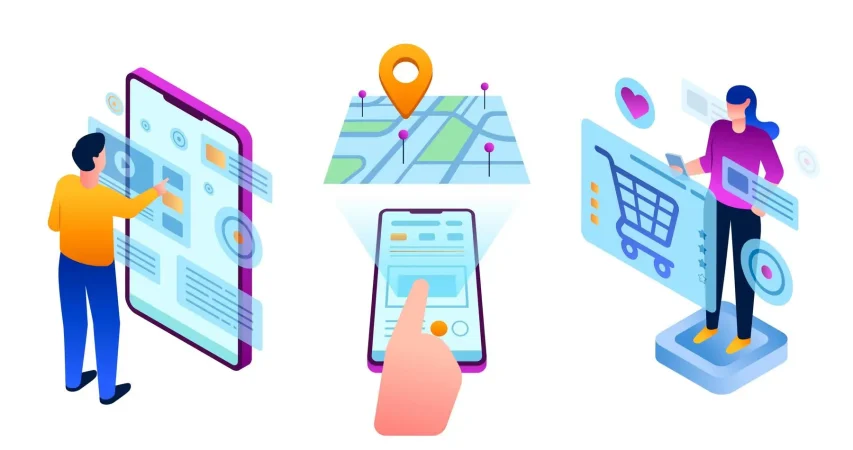
Augmented Reality (AR), in the retail sector, created something different this 2024 by providing consumers with new ways of shopping. In other words, AR technology really makes it possible for shoppers to see products in their real-world environment right on their smartphones or tablets. For instance, AR applications that will let you have a virtual trial of specific attire, showing you how you are likely to look in it. Likewise, AR can show furniture fitting and appearance in a room prior to one making a purchase. Such kinds of interactions provide more than better customer satisfaction since people can make better decisions. Rather, they increase sales and reduce return rates. By providing customers with a better feel for how products are going to work in their lives, AR is revolutionizing the retail experience to make it not only more fun, but more convenient. 

6. Internet of Things (IoT) in Smart Cities   

Smart cities are being implemented in 2024 through the power of the Internet of Things. IoT technology interlinks a variety of sensors and devices involved in running the resources and services of cities for easy gathering and analysis of data. For example, it can monitor traffic patterns and public transport systems to bring about ease in congestion and reduce travel time. On the other hand, smart grids make use of IoT to optimize energy consumption and, hence, make cities more energy-efficient and cost-effective. IoT facilitates public safety by interconnecting various emergency services and monitoring public places against incidents to enable quicker responses. As cities continue to grow in population, IoT helps deal with the increasingly complex management of urban areas to ensure an improved quality of life through responsive and sustainable cities. 

7. Blockchain Beyond Crypto   

This blockchain technology, first developed for Bitcoin, is making waves way beyond just cryptocurrency in 2024. It’s very unique features are harnessed across a plethora of industries: transparency, security, and reduction of fraud. For example, blockchain will track where something came from and its journey in supply chains to ensure authenticity and prevent counterfeiting. In voting systems, blockchain provides a tamper-proof way of recording votes, hence making elections safer and more trustworthy. Moreover, blockchain is useful in managing secure medical records and thus in safeguarding sensitive health information against unwarranted access. These new applications underline blockchain’s potential for improving transparency and security within different fields, stretching its benefits far from the world of digital currency. 

8. Neuromorphic Computing   

Neuromorphic computing is one of the most exciting tech trends looking forward to 2024, which is basically a kind of computing intended to develop computer chips like the neural structure of the human brain. In contrast to traditional computers, chips process information like our brains. This approach improves efficiency, especially in tasks like pattern recognition and sensory data processing. It can make Technologies that require real-time learning and adaptation—in terms of advanced robotics or AI systems that work in interaction with their environment—much better. Such chips offer enormous gains in energy efficiency and computational power, hence making them ideal for uses where quick, adaptive responses are needed. When completely developed, this technology has the potential to cause revolutions in how we look at complex computing tasks. 

9. Autonomous Vehicles   

Autonomous vehicles are among the top tech trends for 2024. These are cars that use AI, sensors, and machine learning to drive on roads and navigate without human intervention. Even though a completely self-driving car has not yet been developed, remarkable development has happened in having different degrees of autonomy within public transport and freight logistics. For example, cities are testing autonomous buses to make public transport more efficient and safer. In freight logistics, self-driving trucks are already applied to facilitate deliveries, reducing traffic accidents by ensuring that the right routes are followed while lowering emissions. The further development of these technologies will provide higher road safety, reduce congestion, and contribute to cleaner air. 

10. Edge Computing 

Edge computing is another leading technology trend. It deals with processing data closer to its source and thus does not have any central data center. This is quite critical for applications requiring real-time processing and quick decision-making, which was hitherto faced with latency in the case of cloud computing. For example, edge computing in autonomous vehicles performs instantaneous processing of sensor data to support quick driving decisions. In industrial IoT, it helps real-time monitoring and control of machinery for increased efficiency and safety. Moreover, edge computing supports local data processing in remote areas where internet connectivity may be poor, hence ensuring that crucial data is well processed and acted on. This technology enhances performance and lowers latency across a wide variety of applications. 

Ready to Transform Your Future?

At Mindpath, our expert team is here to guide you through modernization, digitization, and innovation, ensuring you stay ahead of the curve.

Lead the Way in Technology with Mindpath 

In the fast-changing technological world today, one needs innovation, expertise, and strategic planning to be ahead. Mindpath empowers your business to lead in this by offering cutting-edge IT services that are tailor-made for you. Our team works hard to ensure you leverage new technologies, optimize your processes, and drive growth to be competitive and successful in a changing digital world. Here are the services we offer: 

1. Modernization 

Bring your business up to speed with legacy system upgrades, process optimization, and state-of-the-art technologies. We provide modernization services to help you keep up with the ever-changing world of business. 

2. Digitization 

Get proper visibility online through our all-rounded Web Development and App solutions. We give you the tools and strategies to help your business remain relevant and competitive across the digital space. 

3. Innovation Hub 

Our Innovation Hub is where creativity meets implementation. We are an innovative, collaborative space for ideas, project development, and making things happen. From an initial concept to the final execution, we will guide you through your innovation journey. 

4. Custom Chatbot Development 

Take user experience to another level by our bespoke chatbot solutions. Our intelligent, conversational chatbots will smooth interactions and great insights that improve customer engagement and support. 

5. Artificial Intelligence Development 

Leverage AI to unlock new insights to do what really matters, automate processes, and predict trends. Tailored AI solutions will let you drive efficiency and foster innovation while lining them up with your business goals. 

6. Staff Augmentation 

Make use of our skilled professionals in aiding you to achieve your project objectives—short- or long-term. Experts integrate into your team to raise your business to the next level with exceptional results. 

Conclusion 

2024 is the handiwork of innovation that will change our world in immense ways. From AI-generated content to quantum computing, the very pervasiveness of 5G, and the transformative power of augmented and virtual reality, keeping ourselves conversant and adaptable becomes imperative. These trends call for more innovation than ever but equally demand readiness to tap their full potential. The reason for embracing these technologies is threefold: efficiency, growth, and new opportunities within many industries.   In this age of rapidly changing technology, Mindpath stands ready to guide and lead you in the digital age. Our suite of expertise in IT services is crafted for you and your specific needs to move your business forward. From modernizing systems to digitizing an online presence or innovation in our collaborative hub, Mindpath is equipping businesses like yours for success. Our services are developed in the belief in the easy integration of bespoke chatbot development, advanced AI solutions, and skilled staff augmentation, giving wings to your goals and elevating your projects. 

Ready to Embrace the Future?

Dive into the latest tech trends with Mindpath and explore how our tailored IT solutions can transform your business!

Related Post

Discover the ultimate guide to hiring Node.js developers in London. Learn about the skills, benefits, and cost factors involved in finding the right talent for your project.
The ultimate eCommerce showdown: WooCommerce vs. Shopify! Explore their features, benefits, and which platform is right for your business.

Related Post

Generative AI in Finance

Have you ever wondered how technology is reshaping the world of finance? Imagine a future where financial decisions are driven by advanced algorithms, predictive insights, and automated solutions. What if you could tap into tools that not only enhance efficiency but also transform how businesses operate? In this blog, we’ll explore the fascinating world of generative AI and its incredible use cases in the finance sector. So, let’s dig in!  

What is Generative AI?

Generative artificial intelligence (generative AI) is a form of AI capable of producing new content and ideas, such as conversations, stories, images, videos, and music. AI technologies aim to replicate human intelligence in nontraditional computer tasks such as image identification, natural language processing (NLP), and translation. Generative AI represents the next phase in artificial intelligence. You can teach it to understand human language, programming languages, art, chemistry, biology, or any other complicated topic. It leverages previously trained data to tackle new issues. For example, it can acquire English vocabulary and compose a poem using the words it processes. Your organization can utilize generative AI for a variety of applications, including chatbots, media production, and product development and design. 

Generative AI is transforming the banking industry by utilizing cutting-edge technology to rapidly analyze massive volumes of data. It enables banks and financial organizations to provide personalized solutions for consumers, such as individualized investment strategies. This system can also detect fraud by identifying unique patterns in transactions, which protects our money. Businesses can employ generative AI to make more informed choices, save time, and improve customer service. 

Use Cases of Generative AI in Finance

1. Automating Accounting Tasks

Generative AI is making a significant impact on finance and accounting by assisting with daily activities. It can automatically gather and enter data, verify and match amounts in records, and organize various financial activities. Businesses can reduce manual effort and calculation errors by implementing automation. This implies that bookkeeping becomes faster and more precise, resulting in improved financial management overall. Companies that use generative AI can utilize less time on repetitive chores and instead focus on crucial decisions. 

2. Creating Financial Reports Easily

Generative AI makes it considerably easier to prepare financial reports by combining information from several sources and organizing it in an understandable manner. It can gather data from a variety of systems, including accounting software, sales databases, and market analysis tools, and compile it into a single complete report. This eliminates the need for firms to spend hours manually gathering and organizing data. 

This technology enables businesses to swiftly provide reliable reports for stakeholders, banks, regulators, and investors. Generative AI not only saves time, but it also decreases the possibility of mistakes that can happen when performing tasks manually. This guarantees that the information is trustworthy and provided in an organized, understandable style. 

3. Using Chatbots for Customer Help

Generative AI-powered chatbots and virtual assistants are transforming how organizations deliver customer service by providing personalized assistance tailored to each client’s individual demands. These chatbots can swiftly answer questions, give information, and walk users through procedures, making it simpler for consumers to receive the help they require. 

The primary function of chatbots in financial institutions is to enhance the user experience. They enable simple and effective interactions between the bank or financial provider and the consumer. For example, if a client has a concern about their account balance or needs assistance with a transaction, the chatbot may give immediate responses, eliminating the need for users to wait for a human representative. 

4. Assessing Credit Risk

Credit risk analysis is one area where generative AI is having a substantial influence. These clever algorithms can look at a variety of criteria, including a person’s credit history, financial documents, and key economic indices. By digesting this data, generative AI helps banks and financial institutions better determine borrowers’ creditworthiness. 

AI insights enable creditors to make better educated loan approval choices, establish acceptable interest rates, and calculate appropriate credit limits. For example, if a person has a good credit history and a steady income, the AI may propose that their loan application be approved at a reduced interest rate. In contrast, if the research identifies possible risk factors, it may advise greater prudence, such as increased interest rates or reduced loan limits. 

5. Spotting Fraud and Protecting Data

Fraud detection is one of generative AI’s most effective applications in finance and banking. These powerful algorithms can identify patterns of fraudulent activity in financial transactions, therefore reducing cybersecurity risks and improving overall data security. Suppose a transaction appears unexpected or does not reflect a customer’s regular spending patterns. AI can highlight it for additional research, allowing banks to respond rapidly to possible fraud. 

In addition to detecting fraud, generative AI is crucial for securing sensitive data. It employs powerful encryption techniques to protect financial information and continually analyses financial transactions for any suspicious activity. This implies that financial institutions can better secure their clients’ data and keep them safe from identity theft and other cyber threats. 

6. Personalized Financial Advice

Generative AI is changing the way individuals receive financial advice by providing personalized analysis and suggestions based on user data and behavior. By analyzing current data, such as spending patterns and financial objectives, AI can deliver insights tailored to everyone’s requirements. 

 For example, if a person wants to invest but has limited expertise, the AI can recommend the best investment possibilities depending on their risk tolerance and financial goals. Similarly, if a user wants to save for a certain purpose, the AI can suggest budgeting ways to assist them achieve that objective more effectively. This tailored approach not only improves customer happiness but also enables people to become more knowledgeable about their money. By receiving relevant advice on investments, savings, budgeting, and financial planning, customers can make better decisions that lead to improved financial health.  

Also Read: Generative AI for Business: Unlocking the Key to Unstoppable Success

Generative AI Services at Mindpath

At Mindpath, we provide a variety of generative AI services to help organizations’ succeed. Our team uses cutting-edge AI technology to provide personalized solutions that address your individual requirements. We can help you automate activities, provide meaningful reports, and improve customer service.  Our Artificial Intelligence services can assist businesses in streamlining processes, enhancing decision-making, and creating better client experiences. We recognize that each firm is unique, therefore we collaborate closely with you to understand your objectives and obstacles. Our goal is to create bespoke solutions that drive success and enable you to stay ahead in a competitive market. At Mindpath, we are dedicated to using generative AI to create new possibilities and drive development for your company. 

Final Thought!

In the rapidly evolving world of finance, generative AI is opening doors to efficiency, security, and personalized services that were previously out of reach. From automating complex tasks to providing targeted financial advice, the potential applications are transforming the industry in ways that benefit both businesses and customers. At Mindpath, we’re excited to support organizations as they harness these innovations. With our generative AI solutions, financial institutions can not only enhance their operations and service quality but also drive growth and innovation in a competitive landscape. Embracing generative AI with a trusted partner like Mindpath paves the way for a future where finance is smarter, more secure, and entirely customer focused. 

Ready to elevate your financial solutions with generative AI?

Partner with Mindpath to drive innovation, efficiency, and security.

Explore how generative AI is transforming finance with innovations in automation, fraud detection, and more for enhanced security.
AI consulting services

In today’s competitive environment, organizations are consistently searching for more intelligent ways to grow, innovate, and differentiate themselves. AI consulting services support organizations to seize the opportunities that become realizable by developing distinct ways to harness data and technology as opportunities. As the velocity of digital innovation changes radically for organizations, it is clear that we can no longer take the same approaches. Why not explore the tools and experience that enable organizations to remain fluid and agile?

While organizations continue to embrace new technologies, the challenge comes in figuring out how to apply them effectively. The value of having expert advice is where the innovation matches business objectives, ultimately with measurable outcomes. Instead of being confused when adopting new technology, organizations are provided with clarity and direction as a result of skilled consultants. The right balance between strategy and technology allows organizations to leverage their growth journey with smarter decisions and sustainable results. This blog will explore why today’s organizations should consider AI consulting services as their path forward.

Want to lead the future with the use of AI in your organization, but don’t know where to begin? Our AI consulting services will guide you at every step to stay ahead and unlock measurable growth.

The Growing Demand for AI Consulting Services

Future Market Insights projects that the global AI consulting services market will grow from USD 11.07 billion in 2025 to USD 90.99 billion in 2035, representing a CAGR of 26.2% during this period. This increase represents a substantial business demand for specialist expertise as businesses look to consulting firms to navigate the additional complexities around AI adoption.

Among various industries, such as finance, healthcare, retail, and manufacturing, are generating demand from their businesses through their significant investments in AI-driven transformation. Many industries have developed into vastly different businesses fueled by big data, cloud computing, and advanced analytics, and companies are seeking AI consulting firms to provide clout to their AI strategy, system integration, governance, and security. As the use of digital technology expands through adoption, consulting firms help ensure the efficiency, ethics, and scale of innovation.

Also Read: AI in Healthcare.

Why Modern Businesses Need AI Consulting Services?

A powerful AI strategy for business growth will help organizations remain competitive in a digital world. Here are the key points to illustrate the significance of AI consulting services for contemporary businesses.

1. Expertise That Drives Value

AI consulting services give businesses the opportunity to have professionals who understand machine learning, natural language processing, and data analytics review the work. Their job is to take complex technology and make it into solutions that provide measurable outcomes. This prevents companies from spending time on unscheduled or misguided AI initiatives.

2. Building the Right Strategy

Building an AI business strategy necessitates linking technology to the company’s goals. AI consultants collaborate with the leadership teams of the companies to develop a strategy that places short-term wins and the ultimate goal into context. Understanding that context to forge the innovation pathway creates more informed decisions than through deliberations without a guide, which highlights the value of AI consulting services.

3. Assessing AI Readiness

An effective AI readiness assessment enables organizations to determine where they have gaps in data, infrastructure, and skills. Before deploying a project, AI experts from consulting firms will assess these aspects to mitigate risks and adopt AI with far fewer hurdles. This preparation will allow organizations to take advantage of the potential upside expected from their AI investment, with support from AI consulting services.

4. Guiding Through Adoption

Companies using AI adoption consulting move faster from experimentation to actual production performance. The consultant will work to apply these frameworks and best practices in a manner that creates successful adoption of AI within the company’s workflow, while avoiding disruption to current operations. The consultants direct what companies should be doing to innovate at a reasonable execution speed that allows safe scaling of that innovation.

5. Risk and Compliance Management

AI raises ethical, fairness, and compliance issues. AI consulting services provide a risk management set of capabilities that will enable organizations first to satisfy impending laws, second to safeguard their reputation, and third to make sure that every AI solution that is implemented is fair, transparent, and trusted.

Curious about what the actual benefit of AI consulting provides to your business in managing complex operations? Discover our blog on the benefits of AI consulting to understand how AI expertise and guidance can help business growth.

6. Cost-Effective Solutions

To pursue an AI consultant for businesses is likely cheaper than assembling a large internal AI team. The consultant already has the knowledge and reuses it. This minimizes time spent building knowledge and making mistakes. As such, companies are spending their time and money growing rather than waiting for long training cycles, which is why many turn to AI consulting services.

7. Driving Innovation Across Industries

Artificial Intelligence consulting companies are experts in new technology. They bring businesses new opportunities that leverage predictive analytics, computer vision, and automation that the in-house team may not even be aware of. This engages the workforce to think innovatively and keeps the enterprise ahead of the competition.

8. Tailored Support for Smaller Enterprises

AI consulting for small businesses ensures that even the smallest of businesses have access to cutting-edge expertise. The consultants are used to delivering tailored and scalable solutions that meet the budget but still provide excellent value. It allows start-ups and SMEs to compete using AI.

9. Creating a Practical Guide

An AI Consulting guide developed by consultants helps organizations understand the steps from planning to deployment. This guide covers tools, talent, risks, and governance practices tailored to the company. It acts as a reference point for making confident AI decisions.

10. Partnering With AI Consulting Firms for Growth

The biggest reason for hiring AI consulting firms is that they can integrate strategy, technology, and execution. The consultants help customers accelerate projects, reduce risks, and build systems that yield predictable business outcomes. Therefore, consultants become trusted partners under long-term digital transformation.

Many businesses have successfully driven digital transformation with the help of AI consultants. Learn more about this in our blog on the role of AI consultant.

Ready to Unlock Your Business Potential with AI?

AI consulting services enable organizations to use technology to improve processes, facilitate innovation, and demonstrate value. With the help of professional advice, organizations can navigate their AI adoption, mitigate risks, and scale their efforts and solutions. This can help align the use of AI to specific business goals and generate demonstration efficiencies, growth, and long-term value amid a rapidly changing digital and competitive landscape.

At Mindpath, we offer customized consulting services for AI that help organizations develop actionable plans, realize more advanced solutions, and optimize outcomes. Mindpath experts assist organizations with AI readiness, AI adoption, and AI innovation. They ensure that the technology aligns with unique business objectives. Mindpath focuses on measurable impact to enable enterprises to speed up growth, lower risks, and achieve ongoing success.

Neuromorphic Computing

Have you ever wondered how computers could mimic the way our brains work? Imagine a world where machines think, learn, and adapt like humans. This isn’t science fiction—it’s the promise of neuromorphic computing. But what exactly is it, and why is everyone talking about it? Let’s dive into this fascinating technology and explore how it’s transforming the future of AI.  

What is Neuromorphic Computing?

Neuromorphic computing is a revolutionary method of developing computers that replicate how the human brain functions. Traditional computers process information in a step-by-step fashion, but neuromorphic systems utilize artificial neurons and synapses to handle data more like the brain does—quickly, flexibly, and concurrently. This strategy enables these computers to learn from previous experiences, adapt to new conditions, and solve problems more effectively. They can, for example, recognize images, comprehend conversation, and discover patterns very quickly. Neuromorphic computing, which mimics brain-like processes, has the potential to revolutionize fields such as artificial intelligence, robotics, and even healthcare, making machines smarter and more humanlike.  

How Does Neuromorphic Computing Work?

Neuromorphic computing works by replicating how the brain processes information. It is inspired by the neocortex, a brain region responsible for sensory perception, motor control, thinking, and language. To process complicated information, the neocortex uses layers of neurons and synapses that interact quickly and effectively. Neuromorphic systems use spiking neural networks to reproduce this structure. These networks are made up of artificial neurons that store information and artificial synapses that transmit electrical impulses between them. Unlike traditional computers, which process data in sequence, neuromorphic systems handle information in parallel, resulting in quicker and more efficient performance. 

Advantages of Neuromorphic Computing

1. Rapid Learning Capability

Neuromorphic computers are intended to learn and adapt in real time, much like the human brain. They do this by changing the strength of connections between artificial neurons in response to new experiences or knowledge. This implies they do more than just handle data; they constantly improve and grow as they learn. Unlike traditional computers, which frequently require human retraining for new tasks, neuromorphic systems can learn independently. This makes them ideal for circumstances requiring frequent modification and rapid decision-making. For example, they can teach robots to execute new tasks effectively in industries or assist self-driving automobiles in securely navigating unforeseen traffic circumstances. This real-time learning capability is what distinguishes neuromorphic computers. They don’t just follow orders; they analyze, adapt, and improve with every new obstacle. This versatility makes them extremely relevant in fields like robotics, healthcare, autonomous systems, and others. By learning rapidly and effectively, these systems can address complex, ever-changing problems in ways that traditional computers cannot. Neuromorphic computing provides the way for smarter, more capable technology that replicates the flexibility and intelligence of the human brain.  

2. Highly Energy-Efficient

Energy efficiency is one of the most significant benefits of neuromorphic computing, particularly in fields such as artificial intelligence (AI), which are known for their high energy requirements. Traditional computer systems, such as von Neumann designs, divide memory and processing duties, resulting in energy loss as data travels between system components. In contrast, neuromorphic systems include both tasks into each neuron, allowing them to analyze and store data concurrently. Parallel processing not only accelerates processes but also saves energy. Additionally, neuromorphic systems employ spiking neural networks, which activate neurons only when necessary. Unlike standard systems, which are continually operating, spiking networks only use energy when there is a “spike” in data that requires processingThis means that just a small portion of the system’s neurons are active at any given moment, while the rest are inactive, conserving energy. This energy-efficient architecture makes neuromorphic computing ideal for AI, robotics, and autonomous systems applications where power consumption is a major problem. It allows these technologies to execute complicated tasks while using less energy, making them more sustainable and cost-effective in the long term. As a result, neuromorphic computing is paving the way for more intelligent, efficient systems across a variety of sectors. 

3. Faster Processing Capabilities

Neuromorphic systems aim to imitate the electrical behavior of genuine neurons, allowing them to process data quicker and use less energy. Unlike traditional computers, which process information step by step, neuromorphic systems function on an event-driven basis. This means they only process information when an incident or a substantial change happens, allowing them to respond practically immediately. This speed is especially crucial in industries that need real-time data processing, such as IoT (Internet of Things) devices, self-driving cars, and robots. For example, IoT devices acquire large volumes of sensor data and must analyze it fast in order to respond to environmental changes. Neuromorphic systems, with their low latency, can analyze this data more effectively, making choices and taking actions in real time. Furthermore, because neuromorphic systems analyze input concurrently and only activate, when necessary, they can complete difficult tasks considerably quicker than traditional systems. This makes them ideal for applications that demand quick decisions, such as monitoring key systems in healthcare or adjusting to quickly changing situations in autonomous driving. Neuromorphic computing paves the way for more efficient and smarter technology across a wide range of sectors by providing faster reactions and reduced power usage.  

4. Superior Pattern Recognition

Neuromorphic computers excel in pattern recognition because they process information massively parallel, much like the human brain. This enables them to analyze several bits of data at the same time, making them extremely successful in identifying correlations and patterns in vast amounts of data. They are also excellent at detecting abnormalities or unusual behaviors due to their capacity to recognize patterns. In cybersecurity, for example, neuromorphic systems can identify possible risks by detecting anomalous patterns in network activity. Similarly, in health monitoring, they can detect anomalies in patient data, such as indicators of disease, by comparing fresh data to established patterns of healthy behavior. Due to their speed and efficiency, neuromorphic systems can handle large volumes of data in real-time, making them a valuable tool in fields that rely on pattern recognition for decision-making and prediction. 

How Can Mindpath Help?

Mindpath can assist you in more effectively solving challenging issues by using the power of modern technologies such as neuromorphic computing. Whether you want to improve real-time decision-making, increase energy efficiency, or improve pattern identification in your systems, Mindpath’s cutting-edge expertise can help. Our team can incorporate neuromorphic computing into your existing infrastructure, enabling quicker processing, better AI, and more efficient data management. We understand the potential of these technologies and can assist you in applying them to IoT, cybersecurity, and health monitoring applications. Working with Mindpath allows you to remain ahead of the curve by implementing creative solutions that make your systems quicker, smarter, and more energy efficient. Let us assist you in bringing the future of computing to your organization. 

Final Thought!

Neuromorphic computing is changing how we think about technology by making systems quicker, smarter, and more energy efficient. It improves machine learning, adaptability, and pattern recognition by replicating brain processes. As this technology advances, it has enormous promise in fields such as AI, robotics, and healthcare. With Mindpath’s knowledge, you can use the potential of neuromorphic computing to improve your systems, streamline operations, and stay ahead of competitors. Let us assist you in bringing this ground-breaking technology to life and driving creativity inside your organization. 

Ready to embrace the future of computing?

Partner with Mindpath today to integrate neuromorphic solutions and drive smarter, more efficient systems for your business.

Explore how neuromorphic computing is revolutionizing AI with faster, smarter, and energy-efficient systems. Learn how Mindpath can help.