Artificial intelligence is no longer reserved for large enterprises with massive technology budgets. Today, affordable AI solutions help small businesses automate routine work, improve customer experiences, and make smarter decisions without significant upfront investment. As AI becomes more accessible, business owners are discovering practical ways to compete more effectively while keeping operational costs under control.
Key Takeaways
- 01
Affordable AI solutions help businesses automate operations without increasing overall costs. - 02
Choosing AI software depends on business goals, workflows, and future scalability needs. - 03
Starting with one high-impact AI use case reduces implementation risks significantly. - 04
Integration, security, and usability are essential when selecting AI business software. - 05
Custom AI solutions deliver greater value as business operations become more complex.
Choosing the right AI solution can feel challenging because countless tools promise faster growth and better efficiency. The real value comes from selecting technologies that solve genuine business problems and support long-term success. In this blog, explore 10 affordable AI solutions for small businesses. So, let’s keep reading further!
Looking to automate complex business processes with AI? At Mindpath, Mindpath offers Agentic AI Development Services to create custom AI agents that boost efficiency.
Why Small Businesses are Investing in Affordable AI Solutions?
Small businesses are embracing AI because it delivers practical results without requiring large investments or complex technology teams. From improving productivity to enhancing customer experiences, modern AI tools help businesses operate more efficiently and grow with confidence. These benefits also make AI solutions for startups an attractive choice for building a strong competitive advantage.
1. Automating Repetitive Tasks
AI handles repetitive work that consumes valuable business hours. Teams can focus on strategic activities instead of routine administration. Productivity improves without increasing operational costs.
2. Delivering Better Customer Service
Customers expect quick responses throughout the day. AI-powered support helps businesses answer common questions anytime. This creates faster service and better customer satisfaction.
3. Improving Marketing Efficiency
Creating quality marketing content requires significant time and effort. AI simplifies content creation and campaign planning. Small businesses can maintain consistent marketing with fewer resources.
4. Making Smarter Business Decisions
Business data becomes more valuable when it is easy to understand. AI analyzes trends and highlights meaningful insights. Better decisions become faster and more confident.
5. Strengthening Business Security
Cyber threats continue to affect businesses of every size. AI identifies unusual activities before they become serious problems. This improves security without expensive infrastructure.
How to Choose the Right AI Software for Your Small Business?
Selecting the right AI software for small businesses depends on your goals, budget, and daily operations. A solution that aligns with your workflows delivers greater efficiency, faster adoption, and long-term business value.
1. Identify Your Biggest Challenge
Start by identifying the tasks that consume the most time and reduce productivity. Choosing low-cost AI solutions for specific challenges delivers faster results and better value.
2. Check Software Integration
Select AI software that integrates seamlessly with your existing business applications. Smooth integration reduces manual work and improves overall operational efficiency.
3. Evaluate Ease of Use
Choose software with a simple interface that your team can learn quickly. Easy-to-use tools encourage faster adoption and improve daily productivity.
4. Assess Overall Costs
Compare subscription fees, implementation expenses, and future scaling costs before making a decision. Free trials can help you evaluate value before investing.
5. Prioritize Security and Compliance
Ensure the AI platform follows strong security standards and protects sensitive business data. A secure solution helps maintain customer trust and regulatory compliance.
10 Affordable AI Solutions for Small Businesses
The right AI solution can help small businesses improve productivity, reduce costs, and deliver better customer experiences. Many of the best AI tools for startups are now affordable, making AI adoption easier than ever.
1. ChatGPT
ChatGPT is a conversational AI assistant that helps businesses create content, analyze information, automate workflows, and improve productivity. It supports everyday business tasks with natural language interactions, making AI accessible for teams of any size.

Best for: Content creation, research, customer support, and everyday business productivity.
Key Features:
- Generates blogs, emails, and marketing copy
- Summarizes documents and meeting notes
- Assists with customer support responses
- Analyzes data and extracts insights
- Supports custom GPTs for business workflows
2. Microsoft 365 Copilot
Microsoft 365 Copilot brings AI directly into Word, Excel, Outlook, Teams, and PowerPoint. It helps businesses complete daily work faster while improving collaboration and decision-making.
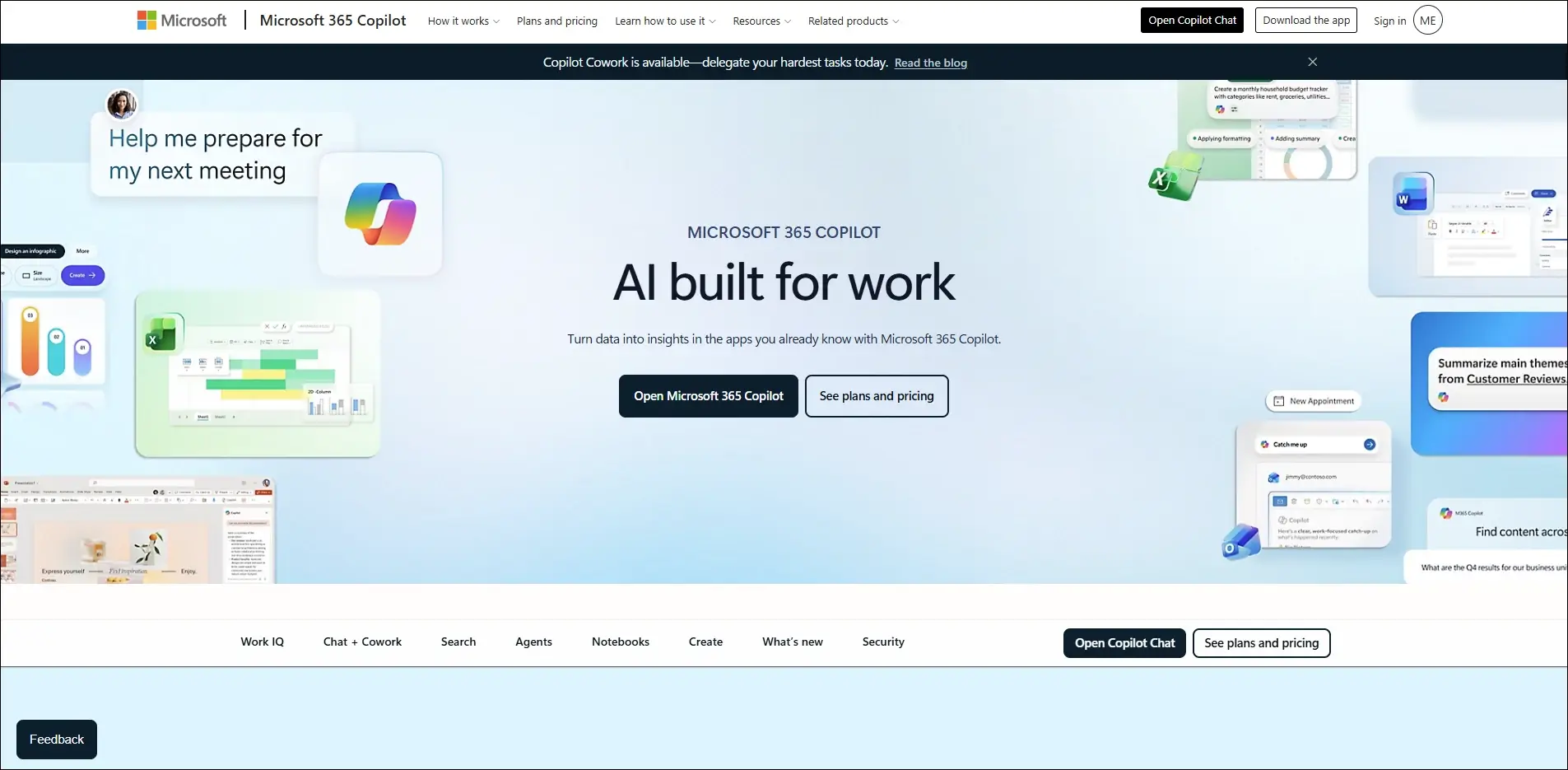
Best for: Automating daily office tasks across Microsoft 365 applications.
Key Features:
- Draft documents and emails
- Creates PowerPoint presentations
- Analyzes Excel data
- Summarizes Teams meetings
- Automates repetitive office tasks
3. Canva AI
Canva AI simplifies graphic design by generating professional visuals, presentations, and marketing assets within minutes. It enables small businesses to produce high-quality creative content without advanced design skills.
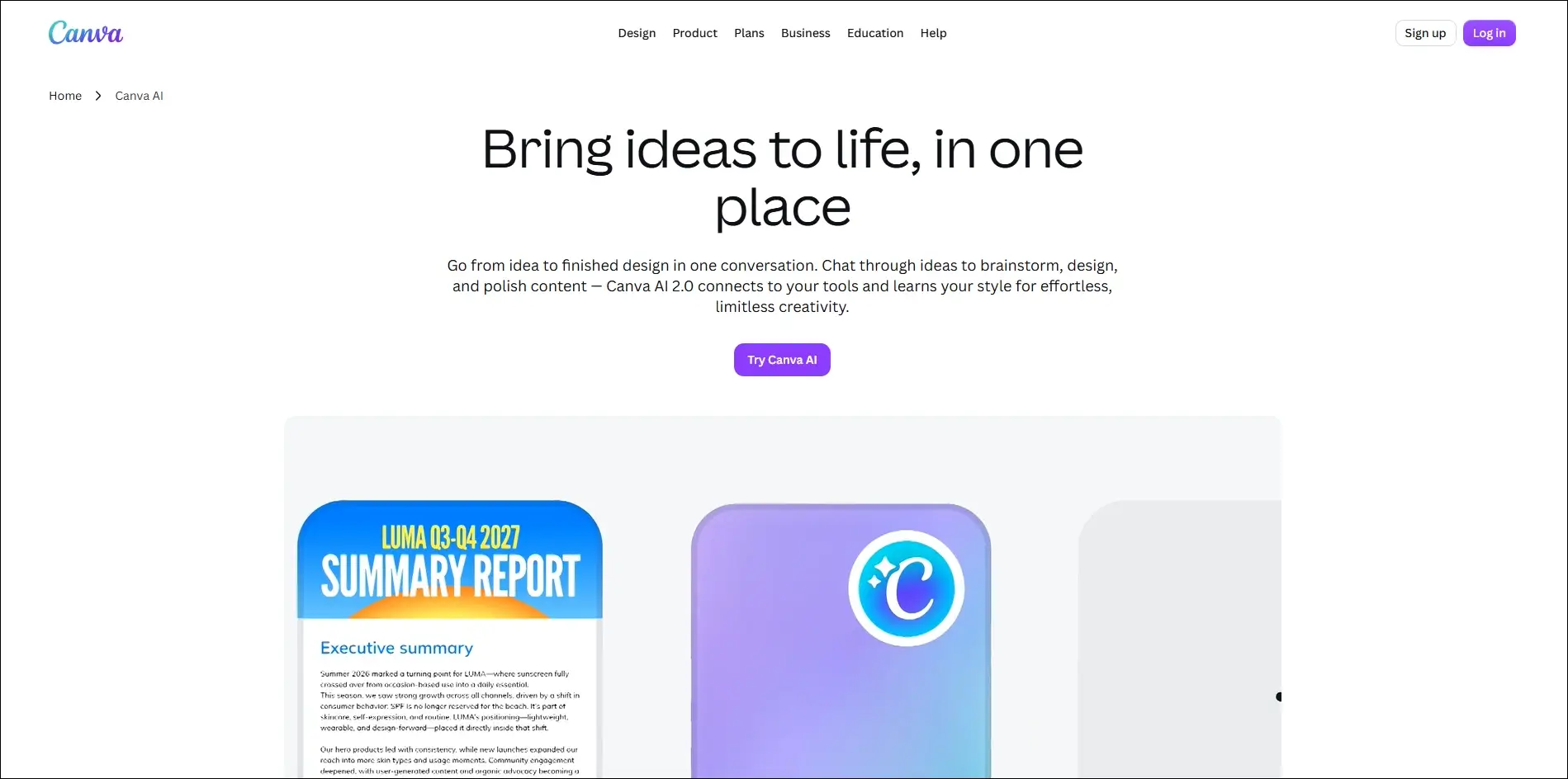
Best for: Creating professional marketing designs, presentations, and social media graphics.
Key Features:
- AI image generation
- Magic Design templates
- Background removal
- AI-powered presentation creation
- One-click content resizing
4. GitHub Copilot
GitHub Copilot is an AI coding assistant that helps developers write, complete, and optimize code faster. It improves software development productivity while reducing repetitive programming tasks.
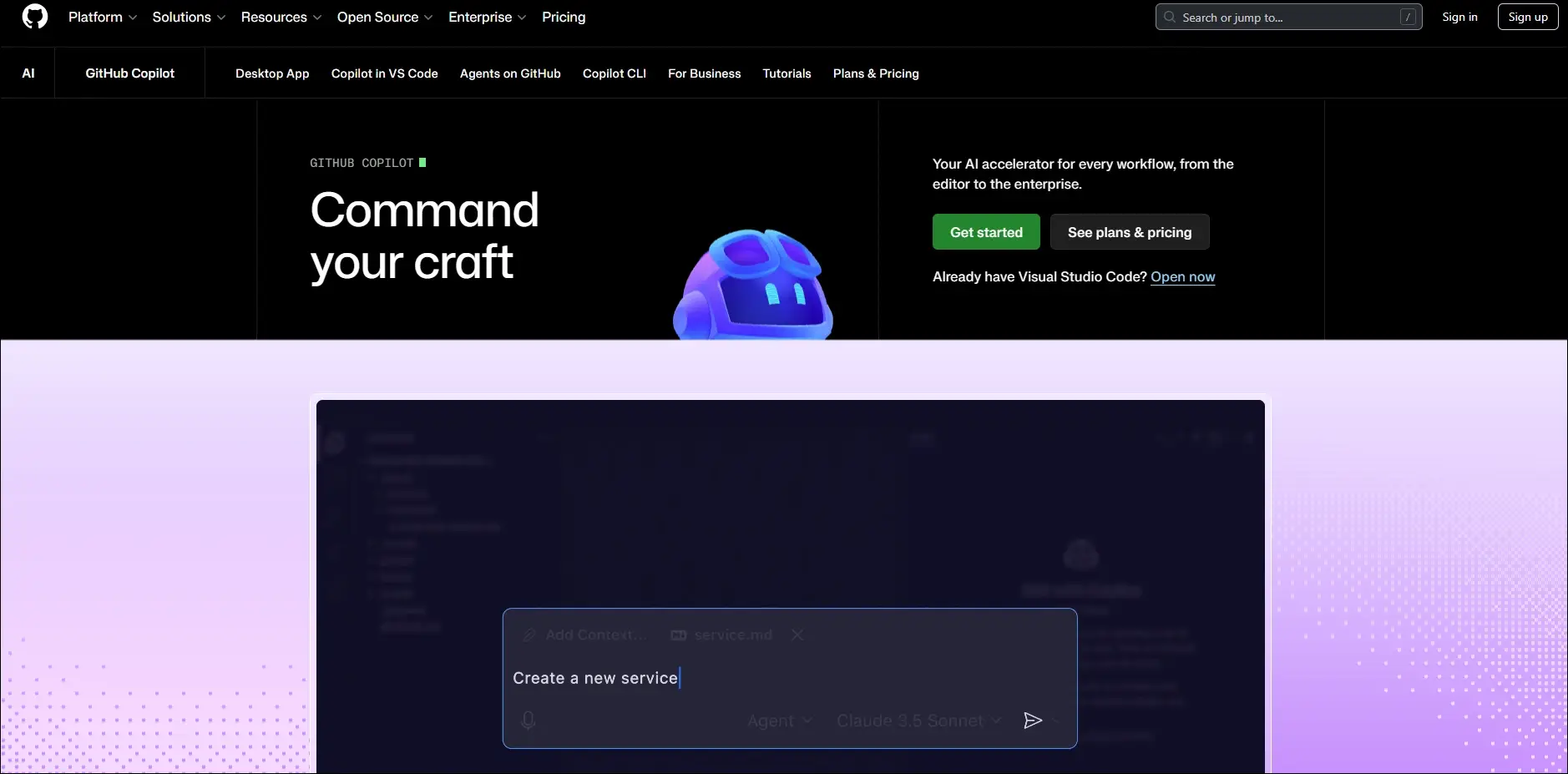
Best for: Accelerating software development with AI-powered coding assistance.
Key Features:
- Real-time code suggestions
- Generates complete functions
- Explains complex code
- Supports multiple programming languages
- Integrates with popular IDEs
5. HubSpot AI
HubSpot AI helps businesses automate marketing, sales, and customer relationship management from a single platform. It improves customer engagement while reducing manual work.
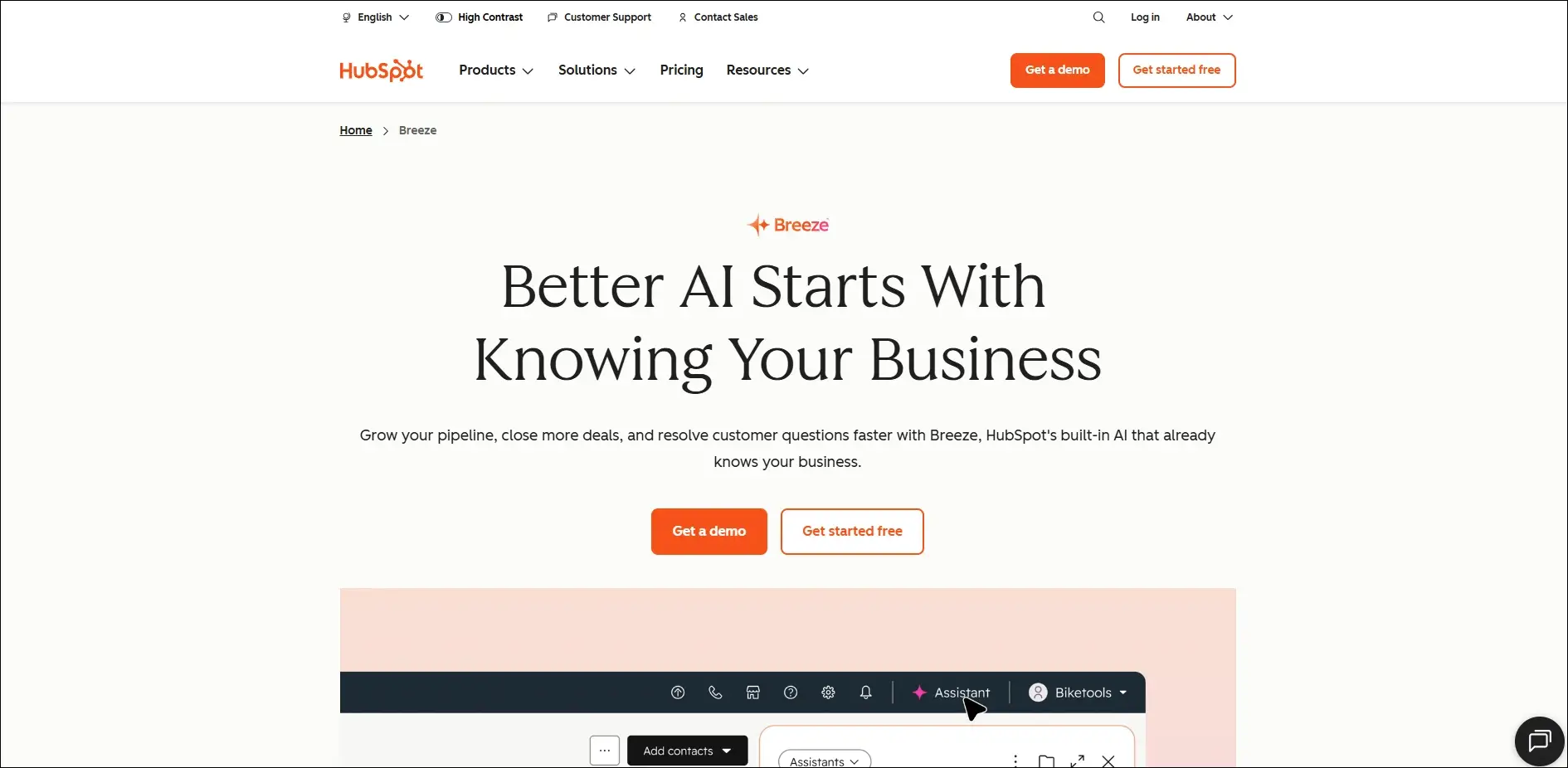
Best for: Managing sales, marketing, and customer relationships with AI automation.
Key Features:
- AI email generation
- Lead scoring
- Marketing content creation
- CRM automation
- Sales forecasting
6. Zapier AI
Zapier AI connects different business applications and automates repetitive workflows without requiring coding skills. It helps businesses save time by eliminating manual processes.
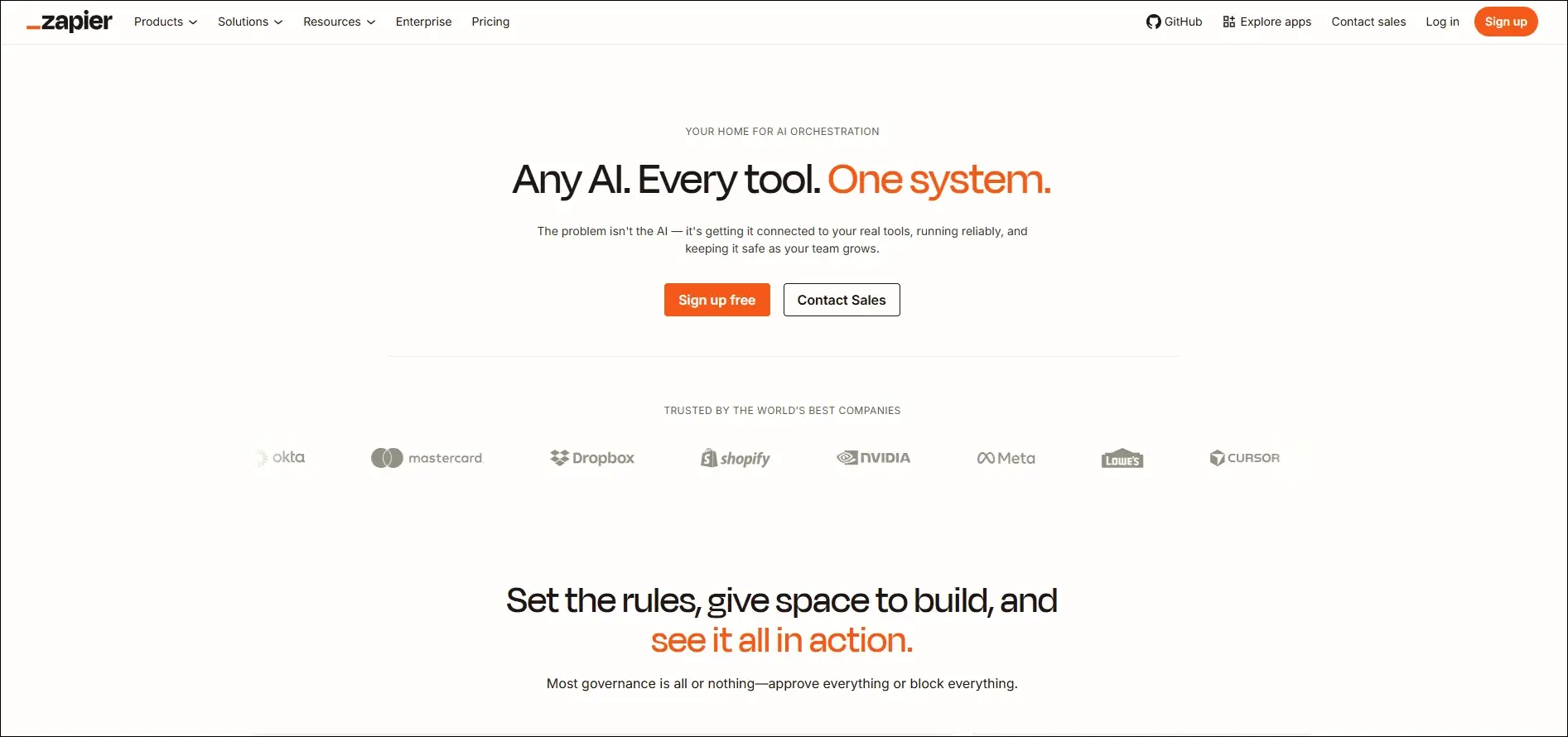
Best for: Automating workflows between business applications without writing code.
Key Features:
- Connects thousands of apps
- AI workflow builder
- Automated task execution
- No-code automation
- Multi-step workflow creation
7. Cursor
Cursor AI is an AI-powered code editor designed to help developers build software more efficiently. It understands project context and assists with coding, debugging, and code generation.
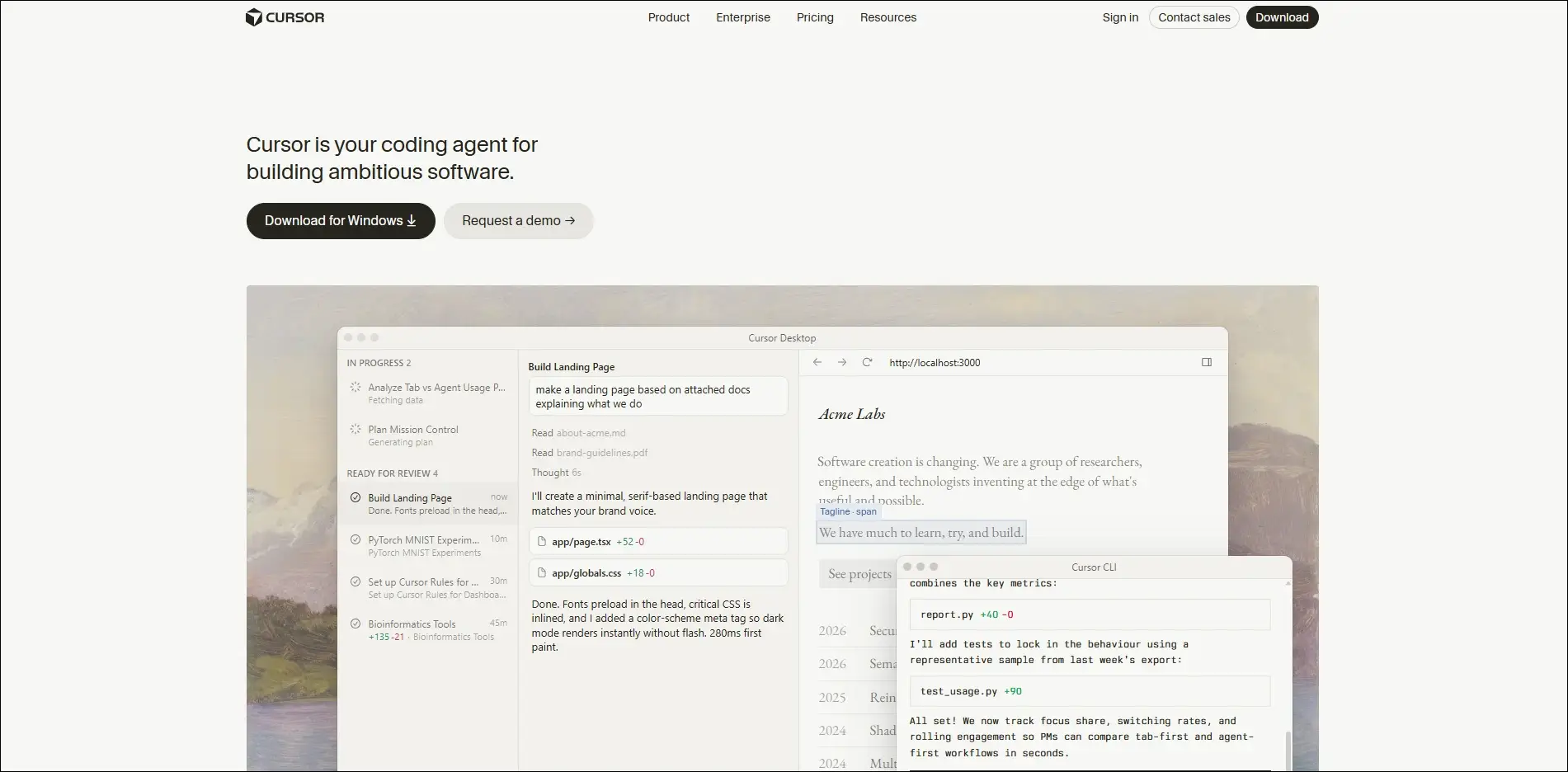
Best for: Building, editing, and debugging software projects with AI assistance.
Key Features:
- Context-aware coding
- AI code generation
- Intelligent debugging
- Codebase understanding
- Natural language editing
8. Notion
Notion AI enhances team collaboration by generating content, summarizing information, and organizing business knowledge. It keeps documentation accurate and easily searchable.
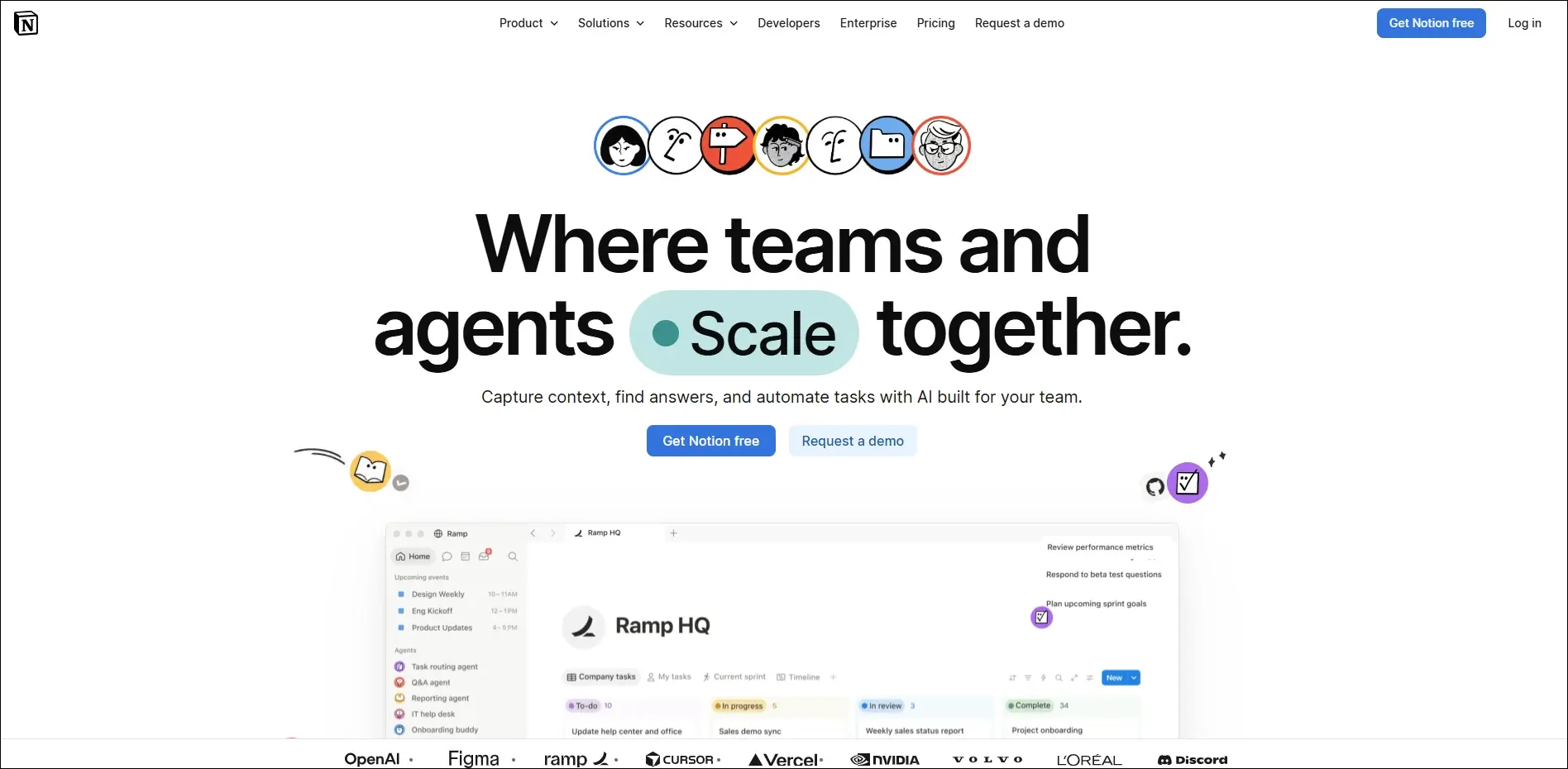
Best for: Organizing business knowledge, documentation, and collaborative project planning.
Key Features:
- AI writing assistance
- Document summaries
- Meeting notes generation
- Knowledge management
- Project planning support
9. Fireflies AI
Fireflies.ai automatically records, transcribes, and summarizes business meetings using artificial intelligence. It helps teams capture important discussions without manual note-taking.
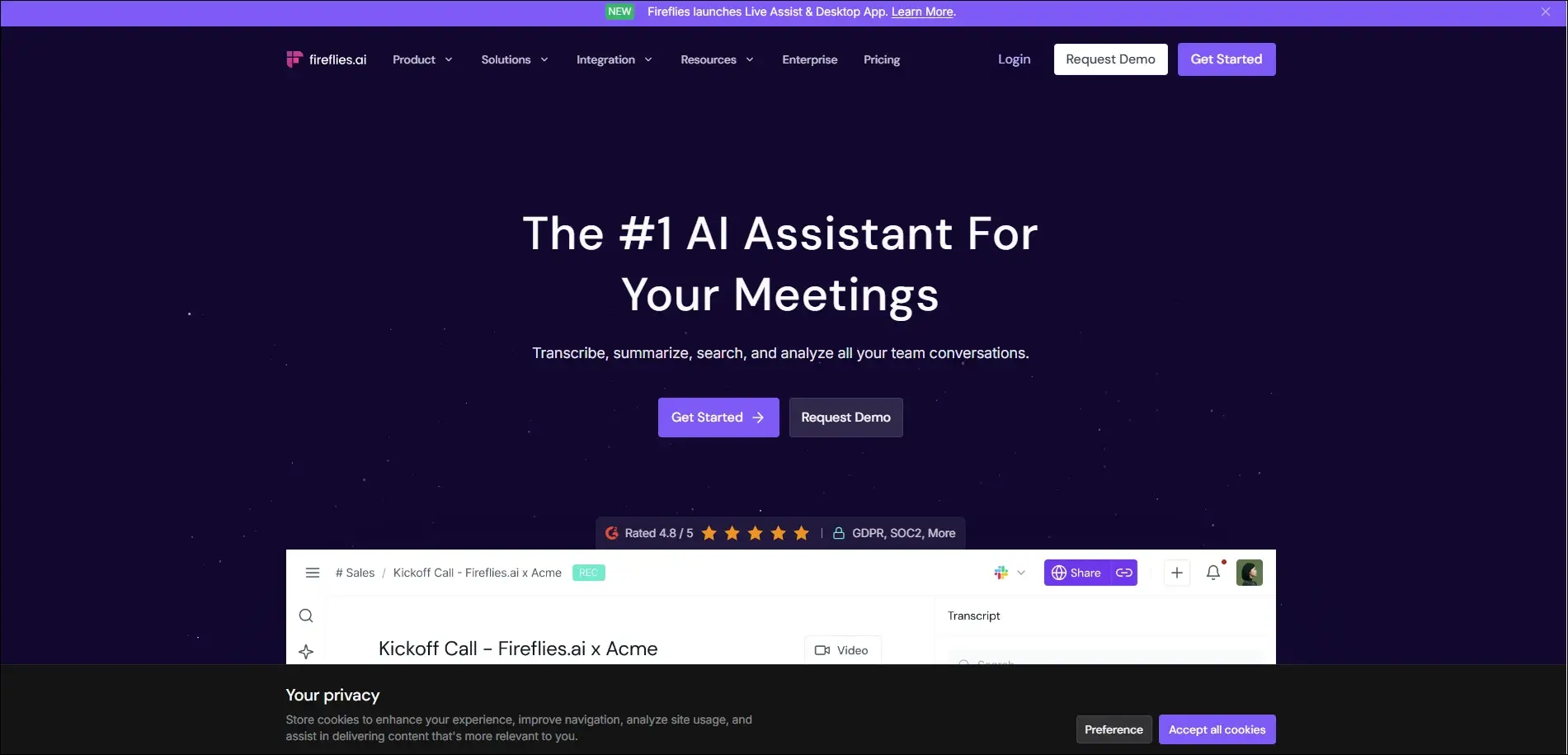
Best for: Recording, transcribing, and summarizing virtual business meetings automatically.
Key Features:
- Automatic meeting transcription
- AI meeting summaries
- Action item detection
- Searchable meeting history
- CRM integration
10. Claude AI
Claude is an advanced AI assistant built for business writing, research, document analysis, and strategic thinking. It handles long documents while providing detailed and reliable responses.

Best for: Analyzing business documents, research, and complex enterprise workflows.
Key Features:
- Long document analysis
- High-quality business writing
- Research assistance
- Data summarization
- Secure enterprise capabilities
Common Mistakes Small Businesses Should Avoid
- 01
Implementing AI without clear business goals leads to poor adoption and limited return on investment. - 02
Trying to automate every process at once often creates unnecessary complexity and disrupts daily operations. - 03
Ignoring data quality and security can reduce AI accuracy and expose sensitive business information. - 04
Choosing AI tools that lack integrations results in disconnected workflows and increased manual work. - 05
Skipping employee training and performance monitoring prevents teams from using AI effectively and achieving long-term success.
Ready to Build AI Solutions That Grow with Your Business?
Adopting AI does not have to be expensive or complicated. By understanding how to use AI in small business and choosing the right solutions, you can automate routine tasks, improve customer experiences, and make smarter business decisions. Start with one business challenge, measure the impact, and scale your AI initiatives as your needs evolve.
As your business grows, off-the-shelf tools may no longer meet your unique requirements. Mindpath’s AI development services help businesses design and build custom AI solutions that integrate seamlessly with existing systems, automate complex workflows, and deliver measurable results.