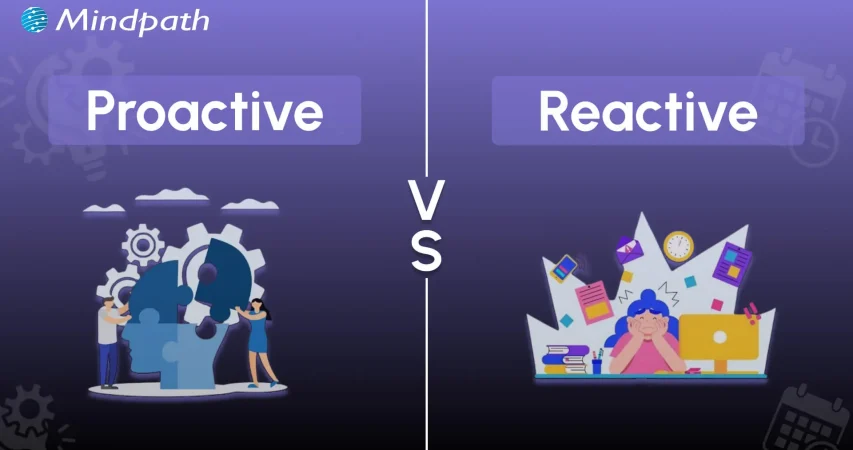
Businesses can leverage software solutions to stay ahead of their competition in different markets. However, the risks of breakdowns in software systems present the possibilities of disruption and rising costs. The discussions around proactive vs. reactive software maintenance have been gaining attention as effective maintenance offers a strong foundation for asset management. Without an effective maintenance strategy, you can just watch your revenue slip away slowly from your hands.
Anyone is likely to have a favorite food which is like the last meal they would say no to. At the same time, it is reasonable to wonder whether you will eat only that particular meal for the rest of your life. The comparison between proactive and reactive maintenance sheds light on the fact that a specific maintenance strategy won’t work in all situations. An overview of the differences between the two software maintenance approaches will help you choose the right one.
Want to move from fixing problems to preventing them in your software systems? Mindpath’s maintance and support services provide proactive solutions that streamline maintenance and enhance performance.
Understanding the Variants of Software Maintenance
Software maintenance is an integral component of every software development lifecycle and plays a crucial role in developing more efficient software systems. You can come across questions like “What are the 4 types of software maintenance?” during your search for insights on software maintenance.
The general variants you may come across in software maintenance include corrective maintenance, adaptive maintenance, perfective maintenance and preventive maintenance. Each variant of software maintenance aims to achieve specific goals, aligned with the needs of diverse software systems.
Different software maintenance engineers have their maintenance guidelines, which help them manage their everyday work. On the other hand, choosing one specific strategy creates restrictions for software maintenance. You can achieve better results with a strategy that blends different maintenance approaches, such as proactive and reactive maintenance.
Curious about which development approach best supports proactive and reactive maintenance strategies? Learn about the different types of software development to select the ideal methodology for your software projects.
Learning the Definition of Reactive Maintenance
The most common approach to software maintenance has always focused on maintenance efforts after identifying any error or technical problem. As a matter of fact, the reactive vs. proactive maintenance comparison revolves largely around how reactive maintenance addresses issues only after they happen. You can also describe it as a ‘fix-on-failure’ method that does not rely on oversight or anticipation of problems beforehand. Therefore, reactive maintenance results in higher downtimes and increased repair costs along with unplanned approaches to issue resolution.
Reactive maintenance strategy also presents the risks of unprecedented operational breakdowns in software systems. It is also important to remember that reactive maintenance is the most effective solution for non-critical software systems. You can incorporate reactive maintenance in a balanced maintenance strategy to deal with systems where the consequences of failure are minimal.
Unraveling the Meaning of Proactive Maintenance
Proactive maintenance is the exact opposite of reactive maintenance and focuses on preemptive approaches to prevent breakdowns before they happen. The difference in meaning of proactive and reactive software maintenance also emphasizes how proactive maintenance relies heavily on oversight. Proactive maintenance requires predictive analytics, routine inspection and servicing for early identification of potential issues. Software maintenance companies leverage proactive maintenance to maintain seamless operations and optimal performance of software systems.
The biggest advantage of using proactive software maintenance approach is the assurance of timely maintenance, thereby reducing the possibility of unexpected breakdowns. With the help of proactive maintenance, you can minimize downtime as well as the cost required for repairs. Most important of all, proactive maintenance plays a major role in enhancing software reliability and efficiency.
Looking to create tailored software solutions that integrate seamlessly with your maintenance strategy? Discover how custom software development can help you build efficient, scalable, and maintainable systems.
Decoding the Differences in Proactive vs. Reactive Software Maintenance
The evolving role of software companies in defining the transition from reactive to proactive maintenance is a huge topic of discussion. You can come across the proactive versus reactive comparison for the maintenance of your existing software systems or new solutions. However, choosing one approach from the two is like taking the best pick between control and chaos. The proactive and reactive software maintenance approaches are at the two ends of a spectrum. Identifying the differences between proactive and reactive maintenance will help you prepare an effective maintenance strategy.
1. Timing of Maintenance
The timing of maintenance is a major differentiator between proactive and reactive software maintenance strategies. When do you have to implement maintenance schedules in the two distinct approaches? The reactive versus proactive debate in software maintenance emphasizes how reactive maintenance happens only after breakdown. Software maintenance teams adopt the reactive approach as a way to deploy maintenance services after a problem has occurred. Therefore, most of the reactive maintenance activities are unplanned and don’t have any specific timing.
On the other hand, the proactive approach to software maintenance follows a specific schedule for maintenance services. The schedule for proactive maintenance may vary from one organization to another. The timing of maintenance in proactive approach focuses on allocating timelines for regular assessment and predictive analytics. Proactive maintenance also includes schedules for preventive actions that will prevent unprecedented software breakdowns.
2. Cost of Maintenance
You can also use cost as a crucial factor to determine the best choice for software maintenance between reactive and proactive approaches. The proactive vs. reactive maintenance comparison shows that you will need a large upfront investment in proactive maintenance. You should also note the costs involved in regular assessments and advanced technology used for analytics and diagnostics. However, it offers the assurance of significant savings in the long run as you can avoid larger and unprecedented breakdowns. Without downtime and emergency repairs, proactive software maintenance helps you save a lot on long-term expenses.
The reactive approach to software maintenance does not require any upfront investments as it does not require preventive measures. You don’t have to spend money on regular inspections or other preventive measures with the reactive software maintenance approach. The decision to choose proactive or reactive software maintenance becomes easier when you learn about long-term costs of reactive maintenance. You have to deal with emergency repairs, losses due to extended downtime and service charges in reactive maintenance.
Want to understand the investment required to maintain software proactively versus reactively? Check out insights on software development cost to plan your budget effectively for long-term savings.
3. Downtime and Impact on Operations
The losses due to downtime are one of the biggest concerns for any business owner in the digital landscape. You must know that proactive maintenance ensures maximum reduction in downtime by identifying potential issues and resolving them. The reactive vs. proactive maintenance debate tilts more towards proactive maintenance when it comes to operational stability. With proactive software maintenance, you don’t have to worry about disruptions in operation of the software. As a result, you can have more reliable and consistent software systems in your technical infrastructure.
Reactive software maintenance brings the burden of additional downtime, which may extend indefinitely in some cases. The focus on repairing software only after a breakdown is the primary culprit behind longer downtime with reactive software maintenance. You can also notice that reactive maintenance leads to unprecedented failure that may disrupt operations. The operational disruptions that come with reactive maintenance can lead to massive losses in productivity.
4. Strategic Approach and Resources
The comparison between proactive and reactive software maintenance also draws attention towards the strategy and resources used in each approach. Proactive maintenance strategy involves comprehensive planning and clear allocation of resources. In addition, proactive maintenance also involves creating a structured plan for preventive measures. You will find a systematic strategy in proactive maintenance to keep your software working seamlessly with optimal performance levels.
The reactive and proactive maintenance debate also sheds light on how reactive software maintenance requires minimal planning. On top of it, the allocation of resources in reactive approaches for software maintenance happens on an ad-hoc basis. The unplanned strategy in reactive software maintenance leads to a rushed approach for solving software problems.
Wondering how the latest innovations can improve software maintenance and reduce downtime? Discover the current software development trends shaping proactive and reactive maintenance strategies.
You can find a brief overview of the reactive vs. proactive maintenance comparison in the following table.
| Criteria | Proactive Maintenance | Reactive Maintenance |
| Timing | Proactive maintenance focuses on identifying and resolving issues before they cause problems. | Reactive maintenance comes to play after an issue occurs. |
| Cost | Proactive maintenance requires larger upfront costs and delivers long-term savings. | Reactive maintenance is cost-effective in the initial stages and leads to high repair costs in the long run. |
| Downtime and Operational Stability | Proactive maintenance causes limited downtime and does not disrupt operations. | Reactive maintenance causes extended downtime and disruptions in operations. |
| Strategic Approach and Resources | Proactive maintenance requires a strategy with comprehensive planning and preventive measures with deliberate resource allocation. | Reactive maintenance involves minimal planning and facilitates resource allocation on an ad-hoc basis. |
Final Thoughts
The difference between proactive and reactive software maintenance reveals that you can rely on proactive maintenance for multiple benefits. However, there is no way to ignore reactive software maintenance completely. You must know that both these approaches in IT software support serve distinct benefits tailored to different maintenance requirements. With the right consultant by your side, you can identify the maintenance approach that will deliver the best results.
Mindpath is a leading destination for software maintenance and support services in an extremely competitive digital space. We have helped thousands of business owners create a strong and appealing digital presence with our innovative solutions. Over the years, our experts have made us one of the most trusted software maintenance companies with their dedication and perfection. Reach out to us and discover the best solutions for software maintenance right now.