

Hire ReactJS Developers in New York: A Complete 2025 Guide

Join our Newsletter!

Featured Posts

Support Is One Click Away

Home

Hire ReactJS Developers in New York: A Complete 2025 Guide

Hire ReactJS developers in New York

Hire ReactJS Developers in New York: A Complete 2025 Guide

New York is one of the prominent business hubs and destinations for technological innovation in the world. If you want to hire ReactJS developers in New York to build a dynamic and user-friendly web presence for your business, then you have arrived at the right place. Every business owner in New York must know the best way to recruit top ReactJS developers to tap into the advantages of ReactJS. Let us learn the best practices for hiring ReactJS developers in New York now. 

If you are looking to hire the right ReactJS developer, Mindpath’s expert ReactJS developer in New York  are committed to understanding your goals and then transforming them into a scalable web application.

Demand for React Developers in New York

The vibrant tech scene in New York has become extremely competitive with professionals aspiring to create high-performance and scalable solutions. You can find numerous startups, agencies, and big players looking for the best frontend developers in New York. The React developer job market is still robust in 2025, with options to capitalize on numerous full-time, freelance, and outsourcing opportunities. ReactJS developers have become one of the most invaluable assets in the technology job market for building single-page applications as well as complex, large-scale applications.

Business owners in New York also need ReactJS developers to make the most of their skills for optimizing application performance. React developers also offer the facility of integration with different APIs, with skills to use GraphQL and RESTful principles. The demand for ReactJS developers is also increasing for their fluency in ES6+ specifications of JavaScript and TypeScript. On top of it, the skills of ReactJS developers also focus on the implementation of robust state management solutions. 

Must Read: ReactJS Development Services Benefits

Is ReactJS Still Relevant in New York in 2025?

For a framework that has been around since 2013, ReactJS has definitely set some impressive benchmarks for frontend development. Business owners want to hire a React developer in NYC because it is still the top favorite for creating visually appealing user interfaces. The distinctive features of ReactJS, such as the component-based architecture, declarative programming, and virtual DOM, have made it a powerful frontend development tool. 

The component-based architecture allows developers to create and capitalize on reusable components, thereby reducing the development time while ensuring consistency. ReactJS follows a declarative syntax, which ensures a simpler process for developing intuitive user interfaces with fewer bugs. The virtual DOM feature enables faster rendering, alongside improving performance by reducing the need for direct manipulation of the actual DOM of the browser.  

Some of the other prominent features of ReactJS that have increased the demand for React developers in NYC include cross-platform development capabilities and an expanding ecosystem. ReactJS offers support for cross-platform development with React Native that can help business owners deliver a consistent experience on web and mobile platforms. 

On top of it, React also has a continuously expanding ecosystem of tools and libraries to capitalize on new functionalities. With the assurance of easier access to such resources, React facilitates faster development of high-performance solutions. You can think of it as a powerful collection of tools that helps you create engaging and fast digital products. 

Do you know how current ReactJS trends can influence performance and user experience? Read the key ReactJS trends every business owner should understand before investing in development.

Which Skills Should You Look for in ReactJS Developers?

The foremost thing that you should keep in mind while hiring React developers is the list of essential skills. The answers to “What skills should a ReactJS developer in New York have?” must include a blend of technical and soft skills. When you have to check the technical skills of React developers, you must not only evaluate their core React expertise but also their broader understanding of frontend development. Similarly, hiring managers must look for other soft skills beyond communication and teamwork in ReactJS developers.

1. Technical Skills of ReactJS Developers

Employers focus mostly on the technical skills of candidates while hiring for the role of React developers. It is important to note that the list of ReactJS developer skills to look for in NYC will have a mix of core ReactJS skills and fundamental web development expertise. 

2. Core ReactJS Skills

The core ReactJS skills include an in-depth understanding of ReactJS fundamentals, such as React components, hooks, lifecycle methods, prop and state management. React developers must also know how to work with semantic JSX code to write clean, efficient, and maintainable code. 

The other core ReactJS skills required of developers include expertise in state management and the ability to use React Router. Hands-on experience in state management libraries helps in managing complex application states, while React Router enables seamless navigation in single-page applications.

3. Web Development Skills

The next important highlight in skill requirements in a guide on how to hire ReactJS developers focuses on web development expertise. ReactJS developers must have hands-on expertise in fundamental web development skills. The essential web development skills include a deep understanding of modern JavaScript features in the ES6+ specifications. Applicants must know how to work with asynchronous programming and array methods, along with a practical understanding of TypeScript. 

ReactJS developers should also showcase fluency in HTML5 and CSS3. The importance of HTML and CSS in enhancing accessibility, responsiveness and aesthetic appeal of web apps makes them mandatory additions to the skills of ReactJS developers. During the process of hiring ReactJS developers in New York, you must also check whether they know version control and API integration. Proficiency in version control tools like Git can help you with the benefits of collaborative development. ReactJS developers should also know how to build tools used in React web projects and package managers like npm.      

4. Additional Technical Skills

The task of finding the most efficient ReactJS developers in the NYC job market can become easier with attention to additional technical skills. While the additional technical skills may not be a necessity, they are good to have in a ReactJS developer. The skills include an understanding of Next.js to improve SEO, server-side rendering, and static site generation, performance optimization, and knowledge of testing frameworks.

Candidates applying for React developer jobs in New York must also know the fundamental principles of UI and UX design. At the same time, they must have a basic understanding of popular cloud platforms and their capabilities for deploying React apps. Furthermore, fluency in agile methodologies such as the Scrum framework makes React developers more valuable to any team. 

6. Soft Skills of ReactJS Developers

While technical skills are the primary requirements for React developer jobs, business owners cannot undermine the importance of soft skills. Hiring managers can find the top ReactJS talent in New York only by checking whether candidates can work in dynamic work environments. The notable soft skills that you should look for in React developers include problem-solving, adaptability, communication, teamwork, and a proactive attitude. 

Business owners expect ReactJS developers to understand their problems and craft user interfaces that solve them. React developers must have a critical thinking mindset to review every problem from different perspectives before making decisions. The dynamic changes in the technological landscape also provide strong reasons to look for React developers with adaptability skills. Developers who can embrace new technology trends without any conflicts can help businesses make the most of the full potential of ReactJS.

ReactJS developers must also have excellent communication abilities that help them share details of the web project with different stakeholders. Communication skills complemented by teamwork can empower developers to capitalize on the benefits of cross-disciplinary collaboration. Furthermore, the proactive attitude of React developers helps them take the initiative to solve existing problems or identify new areas for improvement. 

Want to keep your large React app fast and responsive as it scales? Discover the best practices for optimizing React performance for large applications.

Which Hiring Model is the Best for Your Business?

Hiring a ReactJS developer may be one of the toughest decisions that you can take as a business owner. Why? Isn’t ReactJS supposed to be beneficial for your web projects? While ReactJS is a powerful tool for frontend development, business owners are worried about finding skilled developers. Interestingly, the search for answers to “How do I find a skilled ReactJS developer in NYC?” might have you thinking about hiring models. 

Business owners might have to choose an option from different hiring models, such as in-house, freelance, remote developers, or professional development agencies. The review of the benefits of each hiring model can help you determine which one would align with your business needs. Let us check out the benefits of each hiring model to capitalize on the skills of React developers.

1. In-house Hiring

The most common approach for welcoming ReactJS developers to your organization is in-house hiring. It enables deep team integration and strong cultural benefits, albeit with the challenge of a longer recruitment process. Companies that need stronger team cohesion can choose in-house teams.

2. Freelance and Remote Hiring

The other two prominent alternatives to hiring React developers in New York include freelancing or hiring remote developers. The biggest advantage of choosing freelancers or remote ReactJS developers in New York is the assurance of cost reduction. On top of it, you can also find the opportunity to capitalize on the expertise of a global talent pool. Business owners should consider these hiring models for short-term projects, filling crucial skill gaps, and hiring within budget restraints.

3. Professional Development Agencies

Another powerful alternative that can help business owners find trusted ReactJS developers for their web projects in New York is professional development services. You can choose New York-based ReactJS development services to avoid the trouble of hiring a dedicated in-house developer. The most promising advantage of professional ReactJS development services is access to a team with diverse skills. Developers working with professional agencies can take on large and complex projects without incurring management overhead. 

Wondering how businesses are building high-performing teams while reducing overhead costs? Explore the Key Benefits of Hiring Remote Developers to understand why remote hiring is a smart strategic move.

Ideal Roadmap for ReactJS Developer Hiring Process

The ability to navigate the evolving technology job market in NYC makes a hiring manager capable of identifying top-tier talent. Business owners must pay attention to the following points in the process for hiring ReactJS developers for their web projects. 

1. Design an Attractive Job Description

The estimates for ReactJS developer hourly rates in NYC suggest that you need talent that can contribute more value to web projects. Therefore, you need a clear and attractive job description that would bring in top talent to your organization. You should create a job description that mentions the specific skills required in React developers for your web project. The job description must outline the required experience level and preferred tech stack to attract developers with relevant skills.

2. Discover the Right Hiring Platforms

One of the most crucial aspects in the hiring process is the choice of platforms used for hiring resources. As the ReactJS developer cost in New York continues rising, business owners want to discover new alternatives. For instance, freelance marketplaces offer easy access to pre-vetted talent for cost-effective work. On the other hand, professional development services can serve as the best option to get the job done by experts. 

3. Use Effective Screening and Interview Techniques

The importance of effective screening and structured interviews for finding the right talent can never be undermined. Hiring managers know the rising cost of hiring developers in NYC and should ensure that the owner’s money goes in the right place. Effective screening of React developers involves more than a resume review with a focus on automated technical assessment and code reviews. Interviews must be tailored to evaluate the capabilities of developers to solve real-world problems with their ReactJS skills. The interviews should not only test the technical skills but also the behavioral skills and cultural fit of candidates.

4. Understand the Cost of Hiring ReactJS Developers

The answers to “What is the cost of hiring a ReactJS developer in New York?” can help you a lot during the hiring process. How? The salary of ReactJS developers forms a significant share of the hiring costs. The average annual salary of ReactJS developers depends on their skills, experience, and specific skillset. Professional development services can help you find ReactJS developers who fulfill all these essential criteria. You can expect the annual salary of ReactJS developers to vary between $100,000 and $155,000.

Looking for specialists who can handle complex front-end challenges in your business? Learn why partnering with an expert React Development Company is a smart move.

Final Thoughts

Most of the guides on React developer hiring tips focus on the steps in the hiring process. However, it is important to understand that hiring becomes easier when you know the essential prerequisites. For instance, awareness of essential ReactJS developer skills helps in improving the screening process. 

Mindpath is one of the trusted destinations to find the services of expert ReactJS developers in New York. You can move beyond the answers to “Is it better to hire freelance or in-house React developers?” with our team of professional ReactJS developers. We have helped our clients craft visually appealing and intuitive web experiences from raw ideas with the help of the latest technologies. Contact us now for all your ReactJS developer staffing needs in New York.


Related Post

Discover how digital twin technology boosts efficiency, enhances product quality, and supports sustainability. Learn its impact on modern businesses and industry sectors.
Discover the benefits of serverless architecture, from cost savings to faster development, and learn how Mindpath can help your business thrive.
Learn how to hire the ideal freelance WordPress developer with our guide. From defining needs to securing the right talent, ensure a high-performance website.

Related Post

NodeJS Developers in London

When hiring Node.js developers in London you need to consider a variety of factors to ensure you get the best match for your project. The essential elements listed below will help you make an educated selection, ensuring that the developers you engage have the technical experience and abilities required to produce high-quality, scalable applications.

1. Strong JavaScript foundation

Node.js developers must be well-versed in JavaScript. Since Node.js is built on JavaScript, developers must understand its fundamental principles, such as closures, promises, and event loops. Their ability to integrate seamlessly with JavaScript on both the front and back ends results in more efficient code and shorter development cycles.

2. Experience with popular Node.js frameworks

Node.js developers should be familiar with frameworks such as Express.js and Koa.js, which assist speed the development process. These frameworks improve functionality while simplifying code, allowing developers to create scalable and efficient applications. Their familiarity with these tools will have a direct influence on your project’s performance and dependability.

3. Expertise in Database Management

A skilled Node.js developer should be capable of managing databases like MongoDB, MySQL, and PostgreSQL. They should understand how to construct, query, and manage databases efficiently. The ability to interact with NoSQL and SQL databases means that data can be stored, retrieved, and manipulated, resulting in improved app speed and security.

4. Problem-solving and Asynchronous Programming Skills

Node.js development sometimes involves handling complicated challenges, especially when working with asynchronous programming. Developers must be able to manage concurrent processes utilizing callbacks, promises, and async/await. This guarantees that apps stay responsive and can manage huge traffic loads effectively, which is critical for real-time web applications.

5. Collaboration and Adaptability

In any development environment, especially for large projects, collaboration is key. Node.js developers must be able to work well within teams, communicating effectively with other developers, designers, and stakeholders. Their ability to adapt to shifting project requirements and provide solutions quickly is essential for ensuring that projects stay on track and meet deadlines.

Looking for Top Node.js Developers in London?

At Mindpath. we provide highly skilled Node.js developers with a strong foundation in JavaScript, experience with popular frameworks, and expertise in database management. Our team ensures efficient, scalable, and high-performance solutions tailored to your business needs.

Get in touch with us!

Check out our blog on what skills to look for while hiring Node.js developers in London and make the best choice for your project.
Consider JavaScript expertise, Node.js framework knowledge, problem-solving abilities when hiring Node.js developers in London.
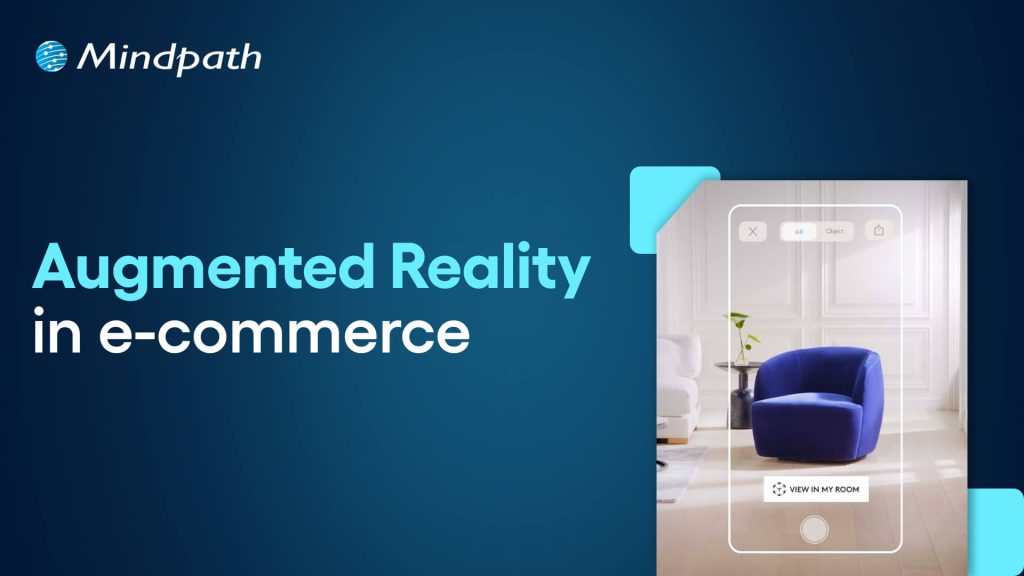
Augmented reality in ecommerce

The e-commerce model has led to the transformation of how business operations are conducted in the 21st century. This novel concept has expanded the boundaries for businesses. E-commerce businesses are in a position to exploit a broad range of advanced technologies. A new technology that has been redefining the e-commerce landscape is augmented reality.

Augmented reality in e-commerce has the potential to enhance the online shopping experience of customers. This is possible since AR commerce blends digital products with the real-world environment of customers. Thus, augmented reality allows customers to view as well as interact with virtual products before making the purchase. It is the perfect time to learn how the augmented reality process is revolutionising the e-commerce setting. 

Want to prepare your online store for the growing demand for immersive and interactive shopping experiences? Connect with Mindpath to discover how you can bring advanced AR capabilities into your business.

What is Augmented Reality?

Before exploring the impact of augmented reality in e-commerce, you need to know what is augmented reality. Augmented reality refers to the technology that is capable of overlaying digital information on how a user views the real world in real time. This advanced technology enhances their reality by adding computer-generated elements to it. 

Within a short span of time, augmented reality has gained massive popularity. This is because it can merge the physical and digital worlds, thereby creating an interactive experience for users. You can have such a surreal experience either through a smartphone, AR glasses, or a tablet.  

Is your e-commerce business ready for the next phase of digital innovation? Explore digital transformation for businesses to discover how AR fits into modern growth strategies.

How E-commerce Businesses are Using Augmented Reality?

Although the AR technology is in its infancy, its application in the e-commerce space has been surging. Many e-commerce businesses have been leveraging the technology in diverse ways to shape the experiences of their customers. 

1. Virtual Try-Ons

While purchasing apparel, people usually prefer to try on the garments. You do not need to physically try on apparel thanks to the use of Augmented reality in e-commerce. This is because you can try it out virtually before deciding whether to buy it or not. Therefore, the augmented reality technology helps online shoppers comprehend what they are purchasing and how the items will look on them. 

2. Interactive User Manuals

An interactive user manual is considered to be a great application of AR in e-commerce. This is especially useful when customers buy a product that has a learning curve before it can be used easily. Such manuals can be a great help for users as they can refer to them to understand how the product works. Interactive user manuals are capable of responding to the actions of users. Moreover, they can offer on-page contextual support while using a website or software. 

3. Preview Placement

The preview placement gives customers a view in real-time of what a product will look like in their own environment. This can be extremely helpful when you decide to buy furniture or a television set for your home. Many brands have started using AR in order to help their customers visualize how their products will fit in the homes of customers. It has undoubtedly simplified the overall shopping experience for modern customers. 

4. Social Media Filters

There was a time when social media filters were used by online users just for fun. However, a number of brands have started leveraging social media filters to showcase their products. Many brands have already come to realize that the novelty factor relating to AT filters has the potential to boost customer engagement. Such strategic use of AR by brands has been wowing customers today. 

How do businesses measure the real impact of AR on conversions and engagement? Explore the importance of data-driven decision-making for Businesses to discover how insights optimize e-commerce performance.

Benefits of Augmented Reality for Businesses

The proper use of AR by e-commerce businesses can give rise to immense value for them. The capabilities of Augmented Reality can give an edge to modern businesses while they create value for their customers. 

1. Better Customer Engagement 

You need to bear in mind that augmented reality technology is highly interactive in nature. Thus, it can make it easier for customers to get hooked on the sites of online businesses. The longer they stay on the site, the higher the chances for them to make a purchase. Even if they do not make a purchase, it will create an opportunity for them to build a relationship with the brand. Thus, the quality of customer engagement can improve. 

2. Reaching Out to New Customers

In the highly competitive e-commerce landscape, businesses need to constantly look for new customers. The use of Augmented Reality can certainly give you an edge as a business. In the noisy world, it can serve as a suitable tool that can help grab the attention of your potential customers. You can create a highly engaging AR campaign in order to make your business seen and heard by online users. 

3. Reduced Returns

When businesses use AR technology, they not only empower themselves but also empower their customers. As customers have a lot of information, when businesses use AR, the possibility of product returns drops considerably. The application of AR makes it possible for customers to get a glimpse of how certain products will look in their personal space. So they can be more sure while making their purchase decisions. 

4. Possible Challenges That May Arise

The rising number of augmented reality examples shows that the future of AR in e-commerce is full of new possibilities. However, it is crucial for businesses to bear in mind that they may face a number of challenges while adopting AR technology. The insight can help them prepare themselves to use the novel technology in a strategic manner.

Wondering how artificial intelligence complements augmented reality in online shopping? Explore AI in e-commerce to discover how intelligent technologies personalize experiences and increase conversions.

5. High-Quality 3D Models

A common technological challenge that businesses may encounter is related to achieving high-quality 3D models. Businesses must keep in mind that the models need to be realistic in nature in order to boost customer engagement and experience. However, in the technical sense, it may not be an easy task to achieve. In order to reduce this kind of complexity, it is advisable for businesses to use robust tools. 

6. Balancing Efficiency and Cost

It is very important to bear in mind that generating 3D assets can be a costly affair. In fact, the costs may range between a few hundred and several thousand dollars per product. In order to strike a balance between cost and efficiency, businesses can consider leveraging cloud infrastructure. 

7. Seamless Integration with Workflow

Another challenge that may arise in the path of businesses revolves around the integration of AR technology with the existing workflow.  Complexities may arise when online retailers try to integrate 3D assets into their current product catalogue. It is vital to remember that this specific process needs to be smooth and streamlined. It must also be scalable to enhance overall customer satisfaction. 

It is essential for online retailers to effectively address these challenges. By addressing these obstacles and bottlenecks, they can leverage AR technology to the fullest and offer a highly engaging experience to their target audience. 

Planning to deliver AR experiences through mobile commerce apps? Discover mobile app development technologies to explore tools that power interactive shopping journeys.

Final Words

Augmented Reality has emerged as a breath of fresh air in the prevailing e-commerce landscape. The novel technology has been gaining high momentum as it creates a plethora of benefits for businesses in the form of better customer engagement, the ability to reach out to new customers, and reduced returns.

Mindpath’s innovative services relating to augmented reality can create immense value for modern businesses. Our experts will ensure that your businesses can boost customer engagement by leveraging augmented reality technology. You can capitalise on the real potential of AR technology and witness your business reach new heights.  

Discover how Augmented Reality (AR) is transforming e-commerce with immersive shopping experiences, boosting engagement, and improving sales.
low code vs. no code

The rapidly growing demand for digital transformation has had many businesses thinking about effective ways to align with new trends. You must have heard about the low-code vs. no-code debate in discussions about software development in 2026. As a matter of fact, Gartner has pointed out that 70% of new applications will use low-code or no-code technologies by 2026.

Do you feel that the modern technology landscape is evolving at a speed that you find difficult to match? Your business must also be struggling to find the ideal developer talent for your new IT projects. No-code and low-code solutions can address these concerns by offering convenient alternatives to the conventional software development process. 

The right development choice makes a huge difference. Contact us, and we will guide you on whether low-code or no-code development best suits your business.

Understanding the Basics of Low-Code

You can know a lot about low-code from the name itself, which implies the use of less code. Low-code is a new approach to software development that involves automated code generation with visual building blocks. The functionality of low-code platforms revolves around automation that offers a middle ground between manual coding and no-code development. It allows developers to add code in auto-generated code, thereby retaining the human element.    

Common applications of low-code development in business process management platforms and cross-department tools have been gaining traction. Low code serves as the most useful solution for web and mobile app development and achieving integration with external plugins. Many businesses have successfully leveraged the low-code approach for the modernization of legacy apps. 

Where Does No-Code Come into the Picture?

The curiosity about no-code development is also gaining momentum in 2026 as businesses seek new avenues for innovation. You can describe the answers to “what is no-code development” as a prominent subset of the low-code development approach. The no-code development approach is completely free of human intervention and depends completely on visual tools.

You can find the most applications of no-code development in self-service apps for business users and dashboards. Businesses can rely on the no-code development approach to build standalone apps with simple UIs and automation. One of the notable examples of no-code development is evident in tools for online order management and automated customer service in e-commerce. 

Are your low-code and no-code apps delivering the best possible user experience for your audience? Explore the latest UX/UI design trends to discover how modern interfaces and interactions can make your apps more engaging and effective.

How is Low-Code Different from No-Code?

Many people generally assume that low-code and no-code approaches are essentially the same thing, with different terminology. However, the answers to ‘what is low code development’ and the definition of no-code development showcase a completely different picture. You must know the differences between low-code and no-code development to pick the ideal development approach for your next project.

1. Coding Skill Requirement

The first thing you must check while choosing between low-code and no-code development is the requirement of professionals with coding skills. In the case of low-code development, you will need professionals who have a basic understanding of coding. You must know at least one programming language fluently to use the low-code development approach. Therefore, low code is a difficult approach in cases where non-technical employees don’t know about coding or any programming language.

On the other hand, answers to ‘what is no-code development’ clearly reveal that anyone can use the no-code approach without coding skills. It helps you build applications by replacing the coding portion with blocks of code. You can just drag and drop the blocks of code to build the application you want.

2. Best Use Cases

The next point of comparison between low-code and no-code draws the limelight towards scenarios where they serve the right fit. You can rely on low-code application development platforms to develop applications with many complex features. Low-code development approach involves the use of an exhaustive component library that can be used for applications with heavy logic. In addition, the low-code approach also supports scalability and integration with other apps and external APIs. 

You can leverage no-code platforms for creating apps that deal with analytics, workflow management, project tracking, and progress reporting. It is also important to know that no-code application development platforms also have features that can help you build complex apps without writing code. No-code is a trusted development approach for front-end apps that pull data from different sources. It can serve as a useful solution to repetitive administrative tasks like reporting in business teams.  

3. Development Speed

Another notable aspect in the comparison between low-code and no-code development approaches is the speed of development. The low-code development approach is a rapid application development methodology tailored to develop applications at a faster pace. However, the low-code approach requires coding for certain parts of an application, which leads to longer development time. 

On the other hand, the no-code development approach does not require any coding. You can refer to the difference between low code and no code to understand that the no-code approach does not rely on coding skills. Business owners and entrepreneurs can build applications or create working prototypes in no time. As a matter of fact, some businesses have reported that they created apps with no-code development within a year.

Looking to deliver apps quickly but unsure if your business needs custom solutions? Discover the signs that indicate it’s time for a custom web application to accelerate growth and efficiency.

4. Target Users

The discussions around differences between the low-code and no-code development approaches will also focus on who should use them. Low-code development approach is the ideal pick for professional developers who want to avoid the burden of replicating basic code. It offers more space for developers to focus on complex aspects of development and encourages innovation. The low-code approach ensures automation of the standard parts of coding without depending on the syntax. You should know that low code benefits professional developers by offering opportunities for reskilling.      

The no-code development approach is more suitable for business users who have extensive domain knowledge. It complements their lack of ability to write code and allows them to use their domain expertise efficiently. Hybrid teams with software developers and business owners are also the most prominent target users of no-code development. Small business owners as well as HR, legal and finance teams in an organization, can also choose no-code over low-code development approach.  

5. Expansion of Architecture

The search for differences between low-code and no-code development approaches will also lead you to think about their architectural range. How will the two approaches support your applications as they grow in future? The no code vs. low code comparison suggests that the low-code development approach offers more support for scalability. In addition, it also offers space for cross-platform compatibility, thereby making it an ideal choice for modern business apps. The low-code approach also offers flexibility for using custom code and custom plugins to achieve a broad range of implementations.

On the other side of the debate, no-code approach has limited potential when it comes to flexibility. You cannot extend no-code apps and they showcase limitations in achieving integration with other platforms or legacy systems. It is important to remember that no-code development is useful only for a narrow collection of use cases. Furthermore, the no-code approach also implies limited scope for scalability.

6. Open or Closed System

The low-code development approach follows an open system as it allows users to extend the functionality of apps through code. It offers the advantages of enhanced flexibility and reusability. Users can develop custom plugins or data oracles according to their use cases and add them later in the apps. However, you will have to test the new upgrades and patches with manually introduced code.

The review of no-code benefits in software development reveals that it works best as a closed system. You have to rely on templates of feature sets to extend the functionalities of no-code apps. As a result, you will find limited use cases with no-code apps and restrictions on access to boilerplate integrations and plugins. However, the no-code approach offers support for backward compatibility as it does not involve manually written code.

Trying to build mobile applications quickly without compromising quality? Check out the top mobile app development tools to learn which frameworks and technologies help teams deliver robust, scalable apps faster.

The following table provides an overview of the differences between low-code and no-code development approaches.

Criteria Low-Code No-Code
Coding Skill Requirement Low-code development requires prior coding knowledge and fluency in one programming language. No-code development does not need coding expertise or awareness of coding languages.
Best Use Cases Low-code development is suitable for complex apps that require heavy business logic. No-code development is ideal for front-end apps, UI apps and internal apps that don’t require extensive functionalities.
Development Speed Low-code is faster than traditional development albeit with need for manual coding. No-code is faster than the low-code approach as it follows a plug-and-play approach.
Target Users Low-code is more suitable for professional developers. No-code is the ideal choice for business users, non-IT teams and hybrid development teams.
Expansion of Architecture Low-code supports scalability and cross-platform compatibility. No-code has limitations in integration with legacy systems and reduced scalability.
Open or Closed System Low-code approach works as open system that supports extension of functionalities through code. No-code approach is similar to a closed system as you can add features only through pre-defined template sets.


Final Thoughts

The decision to choose between low-code and no-code development in 2026 may be a difficult one. Each development approach is meant to help you build and deploy applications quickly without compromising functionality. However, you can pick one from low-code or no-code development according to your project requirements and technical expertise.

Mindpath is one of the leading software development agencies with specialization in low-code and no-code development methodologies. We have achieved fluency in the modern software development approaches with experience in different types of projects. Our experts have delivered high-performance solutions tailored to the needs of clients with unparalleled perfection. Reach out to us and find the ideal development solutions for your business right now.