
Latest Insights On
GenAI, Tech, and Digital Transformation
Stay updated with expert insights, success stories, and real-world applications of cutting-edge technology.

Only adopting modern features for your website in 2026 is not taking you anywhere in the competitive field. You need to think beyond looks and achieve the right performance, visibility, and scalability for your application. Around 92% of businesses in the US consider web performance to be critical for growth. So, if your site has gone missing in the search engines and is not responsive, it might lag behind among the competitors. Here, React can be your foremost solution.
Building scalable applications with React has become a savior for many developers as it promises high-performing and dynamic results. In the US, around 3,685,454 live websites have preferred React for their front-end operations. So, React is not at all a buzz. In fact, it is a practical and proven tool that ensures businesses of all sizes stay relevant in the market. Let us discover how ReactJS can match your application-building visions.
Want to transform your digital presence with a responsive and high-performing web application that keeps users engaged? At Mindpath, we offer ReactJS development services that empower businesses with scalable and future-ready solutions.
What is a Scalable Website Capable of?
Before we understand why ReactJS excels, it is necessary to understand what scalability in a web application truly includes. A scalable application will be able to handle a growing number of users. Further, it can support increasing data volumes and can adapt to new features without massive rewrites. Most importantly, it will be able to maintain performance under heavy load while allowing multiple teams to work simultaneously.
Moreover, scalability is not only a backend concern. Front-end architecture plays a critical role in assessing how well an application grows. Further, poor front-end development can slow down your development while increasing bugs and degrading user experience with the app expansion. So, building scalable applications with React can address such challenges at the UI level, keeping the core of your app safe.
Why Use ReactJS for Developing a Scalable Website?
ReactJS is a JavaScript library that was created to build interactive user interfaces effectively. In order to do this, its design philosophy prioritizes performance, modularity, and maintainability. This is what you can get by developing a scalable web app with ReactJS.
Moreover, it encourages predictable data flow, reusable components, and optimized rendering to create a scalable website. So, the applications become easier to extend and maintain over time.
1. Faster Development Through Component-Based Architecture
Adopting traditional features to make your modern websites might put you at high risk. If a single change is tangled, it might hamper the overall features of your platform. So, it will be hard for your team to continuously fix them. On the other hand, scalable web applications with ReactJS encourage component-based architecture.
It allows your developers to segment the user interface into tiny and independent reusable units known as components. So, to change something in your application, you don’t need to rewrite or rebuild the entire code. You can easily update a single component and change the flows whenever you feel it.
2. SEO Optimization Through Server Side Rendering
It has become a necessity for developers to keep their websites fast and visible in 2026. So, you can’t compromise its quality. Previously, SEO was all about keywords. But now, Google’s page speed, Core Web Vitals, and mobile responsiveness serve a critical role in your rankings.
React maintains its web application scalability through Server Side Rendering. So, instead of creating the whole page in the user’s browser, it enables pre-rendering the full pages on the server side only. This ensures search engine bots can easily crawl your pages. Moreover, it improves your rankings.
3. Availability of Scalable Framework
Launching is not a big deal, but growing without diminishing performance is the real test. There are many technologies that lag behind when their user traffic increases or new features are added. So, you can avoid such issues by developing scalable apps with React.
Its virtual DOM and modular components ensure you can expand the platform with the growth of your user base and changing features. So, you don’t need to renew the whole process from scratch.
Looking to optimize your React app architecture for growth? Explore our detailed guide on mastering scalable web development with React.
4. Relevance of Progressive Web Apps for Incredible UX
Users of the recent era demand that web applications be extremely seamless and smooth, just like native mobile applications. If you are facing slow responsiveness and inefficient page designs, React can be the deal breaker. It comes with Progressive Web App techniques that help you get reliable, fast, and app-like experiences even in the browser.
Your business will benefit from smoother experiences and higher engagement while keeping your users active. Along with scalability in web applications, you can be assured of better conversion rates.
5. Development Costs Can Be Minimized Through Reusable Code
Launching a scalable application is just the initial phase. Further, feature expansion, updates, and bug fixing can drain your budget vastly, especially if your codebase is not correct. React can assist you in getting rid of such issues.
Due to its component-based architecture, it allows developers to create reusable and small pieces that can be utilized through multiple sections of your apps. This feature can save a lot of time while limiting the risks of inconsistencies.
6. Seamlessly Integrates with Modern AI Technologies
Today’s applications need to be smarter and, most importantly, they should personalize experiences while predicting user requirements. So, building scalable applications with React totally fits into this futuristic concept.
Its modular and flexible features make it a reliable choice for integrating AI, ML, and other essential technologies. Further, such actions don’t require any rebuilding from the beginning.
7. Good Community Support
ReactJS has a broad category when it comes to its efficient features. React offers a broad ecosystem for developers who want to thrive in the digital era. With the availability of proficient tools, you can easily improve your app’s performance while making it scalable for the changing trends.
With its Chrome and React developer tools, ReactJS allows you to verify components and maintain the hierarchies more effectively.
Must Read: React Web Application Development
Significant Web Applications Created with ReactJS
ReactJS is an extremely popular library for generating user interfaces. So, there are many large-scale and popular applications that have been built through ReactJS. Here are some reliable examples.
1. Instagram
Instagram is a well-known platform that uses ReactJS to create dynamic and interactive web experiences. This includes story elements, feed, and real-time valuable interactions.
2. Facebook
Facebook is one of the original developers of ReactJS. So, it uses ReactJS for multiple parts of its platform, especially for the user interface elements.
3. Netflix
This high-end platform uses this library to keep its user interface attractive and ever evolving. It particularly uses this library for rendering content like user profiles, videos, and recommendations.
4. Airbnb
It leverages React to improve its web experience, starting from listing pages to booking systems and user dashboards. It adopts an interactive and highly customer-oriented experience to remain at the forefront of the competitive edge.
Curious how ReactJS enhances UI performance and flexibility? Explore our complete breakdown of ReactJS web development to gain clarity on its features, benefits, and real-world use cases.
How Web Application Scalability with React is Different from Other Libraries?
Here is a brief comparison of React with other libraries and why a scalable website with React is more efficient in the current scenario.
| Elements | ReactJS | Other Valuable Frontend Libraries |
| Scalable features | Specifically created to manage scalable applications with reusable components. | Scalability highly depends on strict rules and becomes complicated with app’s growth. |
| Architecture | Component-based and works for modular enhancements. | It is hard to make large-scale changes. |
| Performance | Updates only essential UI changes with the usage of virtual DOM. | Direct DOM manipulation can slow down your large applications. |
| Code Reusability | Highly reusable. | Reusability Differs. |
| Speed | Ensures faster development due to a modular structure. | Slower as applications become huge. |
This valuable comparison reveals that ReactJS excels in creating a scalable website. So, this is ideal for apps that expect user growth and demand to add more features with changing trends.
Conclusion
Giving rise to scalable applications is not an option anymore in 2026. In fact, it has become a necessity for businesses that want to adopt long-term digital success. Starting from modular architecture, performance optimization, and development efficiency, building scalable applications with React remains undefeatable. Further, this library offers everything required to support scalability in the development process.
By accessing smoother experiences and faster growth, ReactJS stands out as an essential technology for modern scalable applications. Businesses that invest in the right frontend foundation today can be prepared for future challenges. So, it’s time to leverage the expertise of companies like Mindpath. Here, the experts can help your organization get the influential potential of ReactJS to generate high-performing solutions. Let experts handle your app’s features while making it result-driven and futuristic with scalable measures.
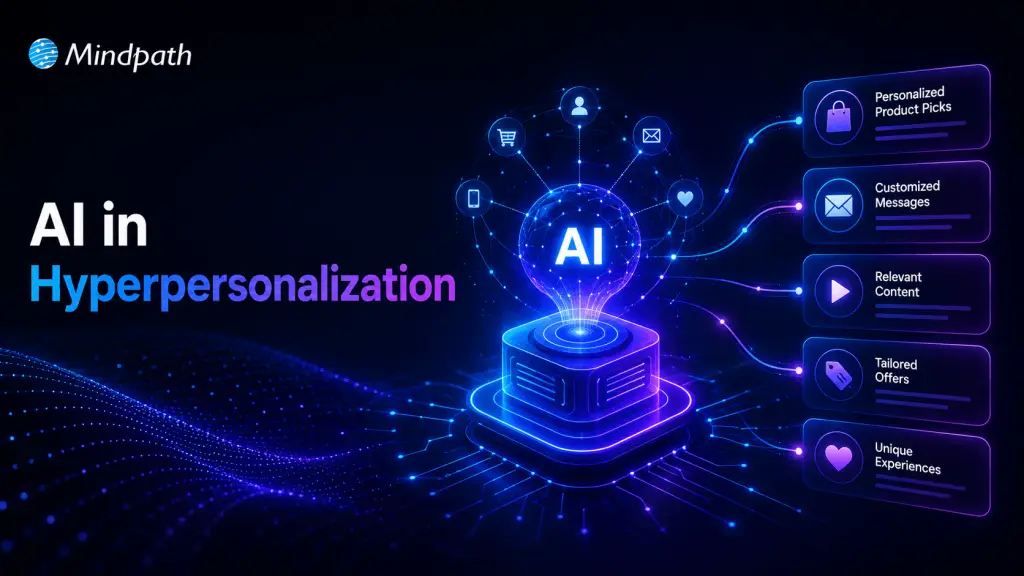
Have you ever noticed how some brands seem to know exactly what you need, sometimes before you do? Imagine opening a shopping app and seeing recommendations that feel almost handpicked just for you. This level of personalization is no coincidence—it’s powered by AI and is known as hyperpersonalization. But how exactly does AI make this happen? And what does it mean for the future of customer experiences? Let’s dive into how AI is redefining what it means to truly know your customer.
Looking for a trusted technology partner to grow your business? At Mindpath, we offer customized IT solutions that drive innovation, efficiency, and growth.
What is Hyperpersonalization?
Hyper-personalization leverages Artificial Intelligence and real-time data to provide highly personalized experiences, showcasing items and information that are specific to each customer’s tastes. By analyzing individual purchasing behaviors, prior purchases, and browsing habits, AI allows companies to give suggestions that are tailored to each customer’s distinct interests and preferences.
This high degree of personalization enables organizations to go beyond generic ideas, resulting in a more seamless and engaging client experience. It’s an effective strategy that improves convenience and strengthens brand loyalty by making each customer feel understood and cherished. Hyper-personalization allows marketers to constantly offer relevant, customized information that engages with each client on a personal level.
The Role of AI in Hyperpersonalization
1. Smarter Product Recommendations
AI’s ability to comprehend user preferences and behaviors is crucial in revolutionizing the way product suggestions are generated. AI can forecast what you will be interested in next based on data such as previous purchases, browsing history, and even time spent on certain things. This goes beyond mere ideas; it tailors each recommendation to your own preferences and needs.
For example, if you’ve been looking for shoes, AI can recommend a pair that matches your style or even forecast the type of shoes you’d like based on recent searches or seasonal patterns. These recommendations sometimes appear to be “reading your mind,” displaying goods you never considered, but once you see them, they feel like a great fit. This degree of personalization improves the whole buying experience. You spend less time looking for what you want because the AI finds it for you, making each interaction seem more relevant and easier. With hyperpersonalization, AI guarantees that the goods you view are constantly relevant to your tastes, improving your entire shopping experience.
2. Friendlier Chatbots
AI-powered chatbots have gone a long way towards providing more lifelike, human-like conversations. Instead of robotic, one-size-fits-all replies, these chatbots can now tailor their tone, vocabulary, and behavior to the context of the interaction and the user’s specific demands. They employ powerful AI algorithms to comprehend not just what you’re saying, but also the emotions and meaning behind it.
These AI chatbots can also personalize replies by recalling prior encounters, recognizing your preferences, and offering relevant solutions. Whether you need help with a product, troubleshooting, or completing a purchase, the chatbot customizes its replies to your individual needs, exactly like a real agent would. AI chatbots boost customer service by making conversations feel more personal and human, resulting in a more engaging and fulfilling experience for customers, allowing businesses to provide 24/7 help without losing quality or empathy.
3. Better Campaign Strategies
AI-powered solutions have transformed the way businesses approach marketing campaigns, allowing them to analyze massive volumes of data and forecast campaign outcomes more accurately. These technologies look at customer behavior, market trends, and previous campaign performance to spot patterns that might not be visible. Understanding these trends allows AI to assist businesses fine-tune their strategy, ensuring they are targeting the appropriate audience with the right message at the right time.
Furthermore, AI can enhance processes by automating repetitive operations like segmenting audiences, providing personalized content, and managing digital marketing. This automation minimizes human work and improves marketing teams’ efficiency, allowing them to focus on higher-level strategy and creativity. AI analyzing data in real time makes marketing campaigns more fluid and responsive. Brands can swiftly alter campaigns based on performance analytics, increasing their ability to remain relevant and adapt to changing client requirements. This increased efficiency not only enhances campaign efficiency, but also enables a more personalized marketing strategy, offering bespoke content and experiences that engage with specific customers.
4. Tailored Marketing Materials
AI allows organizations to go beyond basic marketing messages by providing highly personalized content that addresses individual tastes and behaviors. AI can generate marketing materials that are specifically tailored to you by analyzing data such as your previous purchases, browsing habits, social media activity, and even real-time elements such as location or current trends.
Furthermore, AI can adapt the tone, structure, and timing of the material to the individual’s preferences. It can provide a product recommendation at the ideal time, such as when you’re planning a trip or getting ready for a vacation, ensuring that the offer feels timely and relevant. By combining various data points and external variables, AI enables companies to generate targeted, relevant marketing that improves the customer experience and drives stronger connections with their audience.
AI Development Services at Mindpath
Mindpath specializes in AI development services that help organizations grow and prosper by leveraging smart technologies. Our AI solutions are intended to increase efficiency, improve customer experiences, and make more informed business decisions. We develop specialized AI systems that can analyze vast volumes of data, forecast future trends, and automate repetitive operations, allowing your processes to run quicker and more accurately.
Our AI services may be customized to meet your specific company needs, from creating pleasant chatbots to providing personalized product suggestions. Whether you want to optimize operations or engage customers with intelligent, automated solutions, Mindpath has the AI technologies you need. Our team collaborates closely with you to guarantee that the AI technology we build helps you succeed and stay ahead.
Final Thoughts!
AI is truly transforming the way businesses connect with their customers, creating a future where experiences are not only personalized but also highly intuitive. Through smarter product recommendations, friendlier chatbots, optimized campaign strategies, and tailored marketing materials, AI is helping brands build stronger, more meaningful relationships with their audiences. At Mindpath, we are dedicated to bringing these advancements to life with our custom AI development services, ensuring that your business stays ahead of the curve and delivers exceptional, personalized experiences. By harnessing the power of AI, you can enhance customer engagement, streamline operations, and create more impactful marketing strategies that drive long-term success.
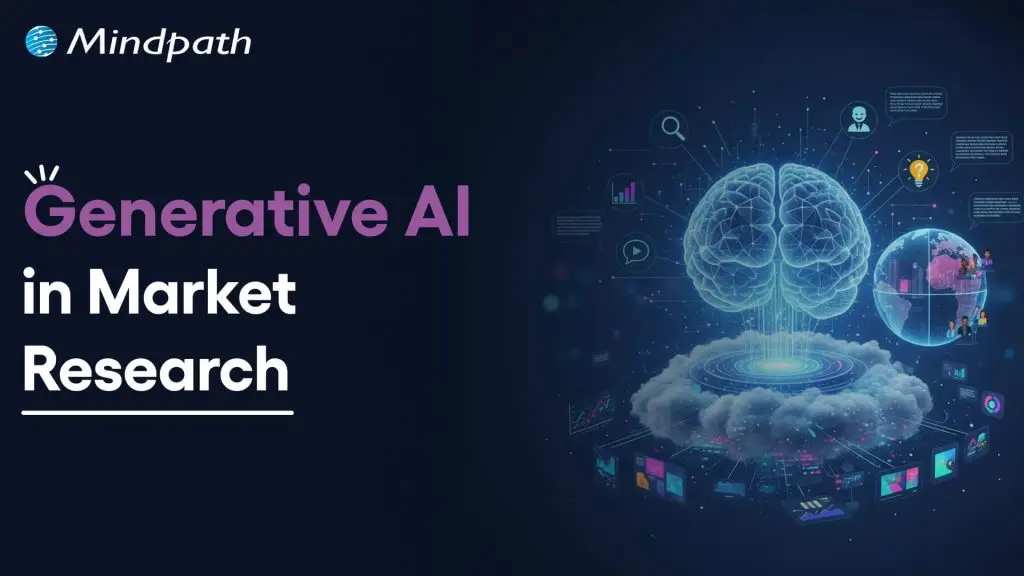
Generative AI is undoubtedly among the most promising technologies that have come into existence in recent years. The impact of Generative AI can be felt in diverse domains such as healthcare, business, and many more. The global generative AI market size is expected to touch USD 890.59 billion by the year 2032.
A particular area where generative AI is being used as a revolutionary tool is market research. Typically, businesses conduct market research, which helps them to make strategic decisions. In recent times, businesses across diverse industries have been leveraging generative AI in order to simplify their market research process. If you are curious to know, ‘How is generative AI in market research?’ You will find an answer to this question now.
Ready to take advantage of generative AI for smarter market research? At Mindpath, we offer AI development services to build custom solutions that deliver actionable insights and a competitive edge.
What is the Role of Generative AI in Market Research?
Before understanding the exact role of generative AI in market research, one must have clarity on “what is generative AI.” Generative AI is a type of artificial intelligence that creates new content, including text, images, video, and audio, by learning patterns from large existing datasets. Unlike traditional AI, which classifies or predicts, generative AI produces original outputs, making it foundational to tools like ChatGPT, Google Gemini, and Midjourney.
Today, the role of generative AI in market research is of immense value. By integrating this technology, businesses can automate traditional research workflows, rapidly synthesize unstructured data from sources like open-ended surveys and customer reviews, and simulate synthetic consumer focus groups, uncovering actionable insights in real time. This allows teams to predict customer behavior more accurately and bring offerings to market faster.
Benefits of Generative AI in Market Research
The economic potential of generative AI in the next productivity frontier is immense. In the market research landscape, generative AI is already playing an instrumental role in creating value for businesses. Some of the chief benefits of generative AI include:
1. Ability to gain faster insights
Generally, market research is a lengthy process for businesses. Traditionally, businesses took several days or even weeks to conduct market research. However, the adoption of generative AI in market research has simplified the entire process. Businesses can conduct market research in an efficient and accurate manner with the help of generative AI. Thanks to the novel technology, the boundaries of market research AI have expanded for businesses.
2. The bigger picture of customers
Thanks to generative AI, businesses are able to get a bigger picture of their existing as well as potential customers. By using the capabilities of generative AI, businesses are in a position to understand the exact preferences of their target audience. Moreover, they are able to create detailed customer profiles, which helps to create value for them.
3. Improved cost efficiency
Previously, businesses had to incur significant costs to carry out market research. Many businesses had to hire researchers or interviewers. Even if research was carried out in-house, it was time-consuming and expensive. However, the integration of generative AI in the market research process has made it much more cost-efficient. By adopting the novel technology, businesses are able to automate recurring tasks. Thus, the possibility of human errors is reduced significantly.
Curious how the generative AI revolution is reshaping market research? Explore the generative AI revolution to see how it’s transforming insights and decision-making.
Top Use Cases
Today, a greater number of businesses have started to rely on generative AI to conduct market research. In order to understand the potential of this innovative technology, it is necessary to look at the real-world use cases of it. Some of the top use cases include:
1. Automation of data collection
Many business entities are adopting generative AI to automate how they gather data from the market. For example, they are able to generate survey questions. Moreover, this novel technology enables business entities to analyze the responses of their audience in an instant manner. As a result, it is possible to save valuable time and resources while undertaking market research activities.
2. Generation of research reports
After conducting research, businesses create reports based on the research findings and insights. The adoption of generative AI in the market research process has simplified how businesses create content for their reports. Instead of relying on manual report generation, businesses are able to use it to generate quality and accurate reports that are based on their market research. Thus, they can refer to these informative documents to craft their business strategies and plans.
3. Information synthesis
In the current era, a large number of data is available for businesses. This automatically makes the market research process very tedious in nature. However, by using generative AI for market research purposes, businesses today are able to synthesize information effectively. This is because generative AI is capable of sifting through a large volume of data in a precise and efficient manner. By synthesizing information at a comprehensive level, businesses are able to gain valuable and accurate insights.
Wondering how generative AI is changing industries beyond tech? Check out generative AI use cases in diverse industries to see its impact on marketing, healthcare, finance, and more.
Future Trends
The future trends for generative AI in market research are full of new opportunities and possibilities. It may redefine the entire market research landscape. As the impact of it can already be felt today, it is necessary for businesses to keep a tab on future trends. Some of the top future trends include:
1. Better collaboration between AI and humans
In the future, the use of generative AI for conducting market research may facilitate better collaboration between AI technology and human researchers. As a result, the overall richness of the research process may be enhanced. This type of collaboration can help businesses get better insights, which can impact their operations.
2. Higher personalization in research
The integration of generative AI in market research may contribute to heightened personalization. Businesses may rely on AI-driven solutions so that they can tailor their research approaches as well as strategies. So they may be in a position to get their hands on more precise and accurate insights. It can certainly empower business entities to take advantage of their research findings and create value for their market audience.
3. Real-time research
By using generative AI, businesses may be able to carry out research activities on a real-time basis. In the evolving market landscape, such a research technique can be of high strategic relevance for businesses. By gaining accurate insights in real time, businesses can deploy strategies in a proactive manner. Moreover, new opportunities can arise in their path to move ahead of their competition.
Looking to leverage the best tools for generative AI in market research? Explore top GenAI tools to learn how cutting-edge solutions enhance data analysis, insights, and decision-making.
Final Words
The adoption of generative AI in market research has been nothing less than revolutionary. The rapid adoption of novel technology in diverse areas is likely to contribute to the growth of the generative AI market in the future. Gradually, businesses have started realizing the amazing potential of it.
The benefits, as well as the use cases of generative AI in market research, highlight its promising nature. In fact, the future of generative AI in the market research context is very bright. Business entities need to capitalize on the capabilities of generative AI so that they can strengthen their market research process and gain an edge over their competitors. AI development services can help organizations design and implement custom generative AI solutions tailored to their market research needs.
Frequently Asked Questions

The current cloud landscape challenges business organizations to reconsider security on a daily basis. Organizations are currently concerned about ways to prevent cloud computing attacks in distributed systems. Attack patterns are becoming smarter and defenders need to think quicker with greater visibility. Lots of teams cannot find the balance between speed, access and protection in cloud operations. This change requires a more profound insight into the changing risks and response plans.
The old fashioned perimeter defenses are no longer applicable to cloud environments. They are now able to align identity controls, monitoring and configuration practices accurately. Each tier of cloud infrastructure needs constant consideration and more intelligent decision making. Organizations also require regular awareness of the adaptation of threats across services. This blog discusses the practical methods used to enhance the cloud security posture. So, let’s begin!
Ready to keep your cloud environment safe without constantly worrying about hidden risks? Mindpath offers cloud-managed services to handle security, monitoring, and performance so you can focus on growing your business.
What are Cloud Computing Attacks?
Cloud computing attacks are malicious activities that target cloud infrastructure, services (SaaS, PaaS, IaaS), and hosted applications, with the goal of stealing, destroying, or abusing data stored in cloud platforms. Attackers typically exploit weak access controls, misconfigurations, API vulnerabilities, or human error to hijack computing resources, steal sensitive data, or disrupt operations. These attacks can interrupt normal business operations and expose sensitive information.
Organizations are at risk of things such as unauthorized access, data leaks, and spreading malware in cloud environments. Good cloud security will help a company figure out if there is any suspicious activity and how to reduce the damage. To prevent cloud computing attacks from happening, a business must improve its capability of supervision and control. In turn, it leads to the building of trust and safety of the cloud systems.
Wondering how businesses adapt to rising cloud threats and changing attack patterns? Discover the latest insights on cloud computing trends shaping modern security strategies.
Why is Cloud Computing Security Important for Businesses?
Most companies nowadays use cloud systems to run their business and operate with sensitive data all the time. This turns the security against cyber security attacks into a must-have for any organization. These are the main reasons why security is a key factor in the success of a business.
1. Protection of Sensitive Information
Cloud security solutions safeguard workers, clients, and company data from being inadvertently accessed or stolen. They play a major role in helping organizations avoid or minimize their risk to various digital threats.
2. Data Breach Prevention
Strong controls prevent attackers from leveraging weak cloud configurations. This method also helps prevent cloud computing attacks effectively.
3. Regulatory Compliance
Security measures guide companies in complying with regulations such as GDPR and HIPAA. As a result, not only do these practices make a company’s situation legally safe but they also enhance their clients’ confidence in them.
4. Business Continuity and Data Recovery
Backup systems and recovery tools are really the backbone of a company; they keep operations going when failures happen.
5. Insider Threat Protection
Implementing a good access control system can help greatly reduce the risk of employees or other internal users misusing their privileges. This way, the security risks, whether accidental or deliberate, are significantly lowered.
6. Stronger Security Systems
With intelligent monitoring, advanced tools can detect threats at an early stage. In fact, businesses can raise their level of overall protection by implementing proactive defense systems.
Looking to better understand hidden risks in cloud environments? Explore powerful cloud security tools that help protect your business systems effectively.
How to Prevent Cloud Computing Attacks?
Cloud is the constant target of cyber attackers since it is the platform where businesses operate and store their data. Organizations will have to keep their guard up and fortify their security measures against emerging threats.
Here are some ways to prevent cyber-attacks in cloud computing:
1. Secure API Access
Access to cloud applications should be granted only through reliable and secure APIs. This will help curb the chances of misuse and lower the vulnerability to the cyber threats.
2. Data Encryption Protection
Data has to be encrypted during its transfer, storage, and use. Not only does this step prevent hacker from decrypting or harming any stolen data, but also it works as a major way to prevent cloud computing attacks.
3. Identity Verification Control
Users are required to prove their identity through identity management prior to gaining access to the system. As a result, it lowers the chances of risks arising due to stolen credentials and unauthorized logins.
Looking to identify weak points in your cloud infrastructure before attackers do? Explore how cloud computing vulnerabilities can affect your systems and data.
4. Access Control Management
Users should have only the access, which is necessary/required for their work role. This drastically reduces the scope of damage from the insider threats and also from the compromised user accounts.
5. Cybersecurity Audits
Periodic evaluations are key to identifying misconfigured settings and security loopholes. They not only reinforce the protection capabilities of the entire system but also enhance security in the cloud.
6. Intrusion Detection Systems
Detection systems watch computer systems for unusual activities and attacks. These can be crucial to locate a threat as soon as possible and limit the scare and damage.
Cloud Computing Security Best Practices
Clouds are used in business processes and in the storage of sensitive information on a daily basis. Effective cloud computing attacks and security threats prevention require powerful practices.
- Understand shared responsibility model and secure your own cloud data properly.
- Test security, compliance, and incident response of cloud providers.
- Implement identity and access control on strict least privilege and multifactor authentication.
- Create explicit cloud security policies and implement zero trust architecture between systems.
- Secure data transmission and storage to prevent unauthorized access.
- Conduct regular audits and penetration testing to identify and fix vulnerabilities quickly.
Curious how modern technology is improving threat detection and response? Check out how AI in cybersecurity is transforming cloud protection.
Ready to Strengthen Your Cloud Security Strategy?
Cloud security requires consistent effort, smart planning, and strong controls across every layer of infrastructure. Businesses must stay proactive to prevent cloud computing attacks and protect data, systems, and users from evolving digital risks.
At Mindpath, we provide cloud security solutions that help businesses build safer and scalable cloud environments. Our team focuses on strong protection, monitoring, and compliance to keep your systems secure and reliable.
Frequently Asked Questions
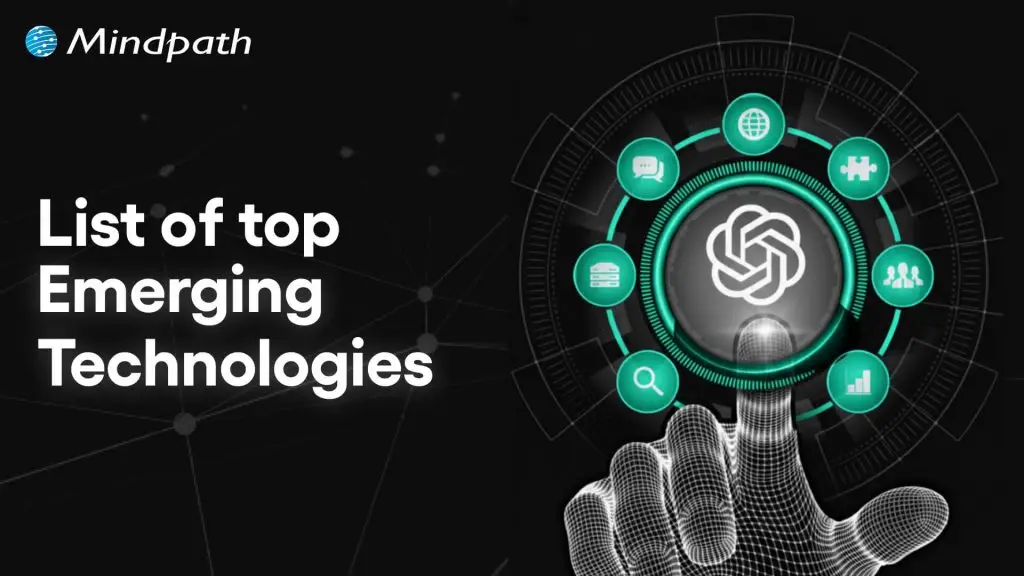
In the digitalized era, several new emerging technologies have surfaced that are full of promise. The identification of such technologies is essential for individuals as well as businesses. This is because they can influence the lives of people in society and the overall economy.
Before identifying different types of emerging technologies, it is important to understand the emerging technologies meaning. Emerging technologies are rapidly evolving technologies whose potential is yet to be realized entirely. AI is among the top emerging technologies examples that one can come across. 83% of business entities have claimed that they prioritize AI in their business plans. A comprehensive list of new technologies has been developed that can transform the digital realm.
Ready to explore how emerging technologies like AI, Blockchain, and IoT can transform your business? Contact us to discover how our expertise can turn these emerging trends into practical solutions
Top Emerging Technologies
Now that you are familiar with the concept of emerging technologies, it is time to look at some of the top emerging technologies. Currently, new technologies are entering the digital space like never before. It is crucial for IT leaders to keep track of emerging trends and technologies. The insight can enable them to leverage top technologies to shape the future with responsible innovation. The list highlights the 8 types of emerging technologies in a digital world that can act as a revolutionary force in 2026.
1. Artificial Intelligence
While discussing the topic of emerging technologies, the first novel technology that comes to mind is undoubtedly Artificial Intelligence (AI). AI can be defined as the ability of computer systems to emulate human intelligence. This emerging technology enables machines to reason, learn, and perceive just like humans. Although AI is still in its nascent stage, it has evolved into a powerful tool that is redefining diverse industries such as healthcare, manufacturing, education, and many more. While making technology-related predictions, one cannot ignore AI.
2. Virtual Reality and Augmented Reality
Virtual Reality (VR) and Augmented Reality (AR) are undoubtedly among the top cutting-edge technologies in 2026. VR is capable of immersing users in environments that are fully simulated. Thus, it blocks the actual world and allows individuals to experience a virtual space. AR technology integrates digital elements into the real world. As a result, it is capable of enhancing the perception of users with rich contextual information as well as visuals. AR and VR have found a place in Gartner technology trends 2026 as they are capable of offering immersive experiences to users.
3. Blockchain
While discussing the topic of Emerging Technologies 2026, one has to consider blockchain technology. Blockchain can be defined as a digitalized and immutable ledger that is capable of recording transactions while tracking assets across a business network. It is among the latest technology trends since it is highly transparent and secure in nature. This novel technology has gained high prominence in recent years due to cryptocurrencies.
4. Internet of Things
The Internet of Things or IoT is definitely among the most promising technologies that exist today. It basically helps connect physical devices to the internet. Therefore, it is possible to gather, share, and process data in a seamless manner. It is certainly among the top trending technologies that are transforming lives. Today, it is common to leverage IoT technology to create smart cities. In the future, the capabilities of IoT may reach new heights, and its presence may expand further.
Wondering how small businesses can benefit from new tech? Explore emerging technologies for small businesses to boost growth and efficiency.
5. Robotics
Robotics is certainly among the top technologies that exist in the year 2026. It is a rapidly evolving innovation that has been reshaping industries through automation and efficiency. This is among the top trending techs as it is capable of designing, operating, and using robots. The emergence of robotics technology has made it possible to utilize robots so that they can perform repetitive tasks. The strategic adoption of this technology can boost the overall efficiency of businesses across various industries.
6. Agentic AI
Today, Agentic AI is recognized as one of the top innovative digital technologies. Agentic AI has sophisticated reasoning capability, which enables it to solve complex problems. This novel technology can make decisions in an autonomous manner. Thus, it does not rely on human intervention to achieve challenging goals and objectives. It is a novel technology that is able to adapt in real-time. Hence, it acts as a valuable tool for businesses in the current times. By leveraging agentic AI technology, businesses can understand customer intent and predict their future needs. Thus, they can easily get a competitive edge in their area of operation.
7. Quantum Computing
Quantum Computing is among the most promising emerging technologies that exist now. This evolving field basically relies on quantum mechanics for solving complex problems. Thus, its ability to handle problems is a much more efficient way as compared to conventional computer systems. Although this novel technology is in its early stages, it is full of promise. The evolution of quantum computing can revolutionize diverse areas such as cryptography as well as drug discovery. This emerging technology is based on aspects relating to physics, mathematics, and computer science. This innovation is among the top predictions for 2026 that businesses need to focus on.
8. Ambient Computing
The list relating to emerging technologies cannot be complete without ambient computing. Ambient computing refers to the technology that can be seamlessly integrated into one’s surroundings. Thus, it can become an intuitive part of one’s life. The purpose of such technology is to create environments that are capable of responding to human needs. Ambient Computing is among the new and emerging technologies that rely on both IoT as well as AI. One of the most popular examples in this context involves wearable devices that monitor the health condition of individuals.
Planning to modernize your business with new technology? Check out digital transformation for businesses to learn how tech boosts innovation and competitiveness.
Challenges Associated with Emerging Technologies
It is true that diverse types of novel technologies are arising that hold immense promise. However, they also give rise to certain challenges and concerns. A number of challenges have been identified relating to the top types of emerging technologies in the digital world.
1. Ethical concerns
A common issue that arises in the digital space due to emerging technologies revolves around ethical concerns. For example, Agentic AI is the latest emerging technology that gives rise to ethical issues relating to bias and poor transparency.
2. Privacy concerns
A common concern that exists in the digital world is related to privacy risks. Malicious actors may exploit emerging technologies by using sophisticated techniques. As a result, the privacy of online users may be at the receiving end.
3. Regulatory challenges
As technologies are constantly evolving, the regulatory landscape is not entirely developed. Thus, it creates gaps that may be exploited. For instance, poor regulations may increase the risk relating to cybersecurity aspects.
Want to stay ahead in the digital era? Explore digital transformation trends to see how emerging technologies are reshaping business and innovation.
Final Words
In the prevailing technology-driven era, new types of technologies are coming into existence. Some of the most promising technologies are AI, Blockchain, IoT, and many more. These technologies hold the promise to redefine the digital space like never before.
The list of emerging technologies highlights some of the top technologies that can impact individuals as well as businesses. In addition to identifying these technologies, a number of challenges have been identified. It is necessary to take into consideration their potential along with the associated challenges as these elements may together transform the digital space. Mindpath helps businesses and individuals navigate these emerging technologies through tailored solutions and expert guidance

E-Commerce website security is extremely important for not only safeguarding online stores but also for building customer trust. Sensitive information is exchanged in each transaction, it needs to be strongly protected. Yet, a lot of businesses still neglect important security measures. As cyber threats keep increasing, it is necessary to stay prepared. Therefore, how strong is today’s system against the changing risks and new ways of attack?
Besides, proper security is a catalyst for business and an uplift factor for customer trust. It also helps in lowering economic losses and preserving the company’s image. Therefore, businesses are expected to put in place visible solutions and keep their systems up to date. A well-thought-out strategy will ensure that there is a higher level of security all around. This article will bring out actual examples of strengthening security and building a firm overall resilience.
Planning to build an online store that balances strong security with great user experience? Our web development services at Mindpath help you create reliable and secure platforms that scale with your business.
Why is E-Commerce Website Security Important?
We understand that e-commerce security is a collection of technologies, protocols, and practices that secure online stores. It protects customer information, transactions and systems. It also provides confidentiality, integrity, and authentication, eliminating unauthorized access and mitigating cyber risks.
Today, the role it plays is evident due to the rapid increase in digital threats. Companies have to secure user confidence and financial information at all levels. An effective strategy promotes healthy operations and sustainable development. Some of the importance of e-commerce cybersecurity are explained below.
1. Protecting Customer Information
E-commerce platforms often collect personal information and payment data. This data should be well-protected to prevent identity theft and other risks. Proper security measures also ensure that the customers’ data stays safe.
2. Maintaining Customer Trust
Owning a robustly protected online platform is an effective tool for earning visitors’ trust and convincing them to stay longer. They are attracted by those signs of security that persuade them about the safety of their data.
3. Reducing Financial Risks
Security measures play a big part in preventing fraud and stopping unauthorized transactions. In addition to giving protection to the parties involved, these measures also protect the business if chargebacks happen.
Want to strengthen your platform with smarter protection strategies? Explore application security best practices to build a safer digital experience.
4. Following Legal Requirements
Businesses have to comply with data protection regulations, for example, GDPR and PCI DSS. A robust security for e-commerce website systems will not only prevent penalties but also make compliance with the laws easier.
5. Ensuring Business Continuity
Cyberattacks can really mess with your operations and even stop your sales in their tracks. A dependable security solution is a must for keeping your website up and running without a hitch.
6. Managing External Integrations
Most websites depend on external tools and plugins to work well. Online store security makes sure these add-ons are secure and don’t leave the system vulnerable to threats.
Looking to stay ahead of evolving cyber threats in online retail? Discover how AI in Cybersecurity is transforming modern protection systems.
E-Commerce Website Security Best Practices
Understanding how to secure an e-commerce website helps protect customer data and daily operations. A clear approach ensures stronger protection and builds trust in every transaction.
1. Use Secure Payment Methods
Implementing a reliable payment gateway will not only secure your transactions and minimize the possibility of fraud but also help in enhancing e-commerce website security by encrypting the sensitive payment data.
2. Enable Two-Step Verification
Biometric security or two-factor authentication offers one more level of security different from passwords. Besides strengthening account security through increased e-commerce website security, it mostly prevents unwanted access.
3. Keep Systems Updated
The system updates always contain security patches and fixes for security loopholes that attackers may take advantage of. This step is among the few measures which keep a business safe from common ecommerce security threats and solutions.
4. Apply Strong Password Rules
If you work with strong passwords only, the number of successful brute-force attacks will be minimal at best. Having clear policies will also make it much easier to ensure that both users and administrators always conduct safe access.
5. Limit Data Access
Giving access to data in a controlled manner will minimize the possibility of an internal misuse of information. It will also make sure that only authorized individuals will be dealing with confidential data.
Wondering how to secure your applications beyond basic measures? Discover web application security for deeper protection.
6. Monitor Transactions Regularly
Keeping a check on what users do can allow fraud to be caught in time. Advanced tools and AI in e-commerce raise the level of precision in recognizing suspicious behavior.
7. Perform Security Checks
Frequent audit are a good means to discover vulnerabilities that may be concealed. In addition, they help to maintain the safety of the system and keep it compatible with the most effective ways.
8. Backup Data Frequently
One of the best ways to avoid problems that may arise from data loss or cyberattacks is to make regular backup copies of data. This would also allow the prompt restoring of business activities in case of an unforeseen breakdown.
9. Educate Users and Teams
Making users and teams aware of the issues can help prevent human mistakes, which often result in breaches. Offering training will ensure that everyone is on the same page and will adhere to safe practices without fail.
10. Use Secure Website Connections
Implementing SSL certificates allows the protection of data while it is being transferred. A robust HTTPS security not only helps in gaining the trust of customers but also ensures that their information is kept confidential.
Planning to make your online store more secure and future-ready? Read about e-commerce software development techniques that enhance resilience.
Ready to Strengthen Your Online Store Security?
E-commerce website security plays a key role in protecting customer data and business growth. A strong approach reduces risks, builds trust, and ensures smooth operations. Businesses that stay proactive with security measures create safer shopping experiences and long-term digital success.
At Mindpath, we provide web development services that focus on secure, scalable, and reliable solutions. Our team builds platforms with strong protection and modern practices. Connect with us to create a secure e-commerce experience that supports your business growth.
Frequently Asked Questions
1. How does E-Commerce website security impact customer trust and buying decisions?
E-Commerce website security directly influences how safe customers feel while sharing personal and payment details. A secure platform reduces hesitation, builds confidence, and encourages repeat purchases by assuring users that their data remains protected throughout the shopping experience.
2. What are the common signs that an online store lacks proper security measures?
Warning signs include missing HTTPS, frequent login issues, unexpected redirects, or unusual transaction alerts. These issues can indicate weak protection, making the store vulnerable to cyber threats and reducing customer trust in the platform.
3. Why is E-Commerce website security important for small and growing businesses?
E-Commerce website security helps small businesses protect customer data and avoid financial losses. It also supports brand credibility, which is essential for growth, as even a single security issue can damage reputation and reduce customer retention.
4. How often should an e-commerce website review and update its security practices?
Regular reviews should happen monthly, with immediate updates for critical vulnerabilities. Continuous monitoring ensures the website stays protected against evolving threats and maintains smooth operations without unexpected disruptions.
5. How can businesses balance user experience with strong website security measures?
Businesses can use smart authentication, secure payment gateways, and fast-loading encryption methods. These practices maintain a smooth user experience while ensuring strong protection, so customers enjoy safe and seamless interactions without unnecessary complexity.

Have you ever wondered how technology is reshaping the world of finance? Imagine a future where financial decisions are driven by advanced algorithms, predictive insights, and automated solutions. What if you could tap into tools that not only enhance efficiency but also transform how businesses operate? In this blog, we’ll explore the fascinating world of generative AI and its incredible use cases in the finance sector. So, let’s dig in!
What is Generative AI?
Generative artificial intelligence (generative AI) is a form of AI capable of producing new content and ideas, such as conversations, stories, images, videos, and music. AI technologies aim to replicate human intelligence in nontraditional computer tasks such as image identification, natural language processing (NLP), and translation. Generative AI represents the next phase in artificial intelligence. You can teach it to understand human language, programming languages, art, chemistry, biology, or any other complicated topic. It leverages previously trained data to tackle new issues. For example, it can acquire English vocabulary and compose a poem using the words it processes. Your organization can utilize generative AI for a variety of applications, including chatbots, media production, and product development and design.
Generative AI is transforming the banking industry by utilizing cutting-edge technology to rapidly analyze massive volumes of data. It enables banks and financial organizations to provide personalized solutions for consumers, such as individualized investment strategies. This system can also detect fraud by identifying unique patterns in transactions, which protects our money. Businesses can employ generative AI to make more informed choices, save time, and improve customer service.
Use Cases of Generative AI in Finance
1. Automating Accounting Tasks
Generative AI is making a significant impact on finance and accounting by assisting with daily activities. It can automatically gather and enter data, verify and match amounts in records, and organize various financial activities. Businesses can reduce manual effort and calculation errors by implementing automation. This implies that bookkeeping becomes faster and more precise, resulting in improved financial management overall. Companies that use generative AI can utilize less time on repetitive chores and instead focus on crucial decisions.
2. Creating Financial Reports Easily
Generative AI makes it considerably easier to prepare financial reports by combining information from several sources and organizing it in an understandable manner. It can gather data from a variety of systems, including accounting software, sales databases, and market analysis tools, and compile it into a single complete report. This eliminates the need for firms to spend hours manually gathering and organizing data.
This technology enables businesses to swiftly provide reliable reports for stakeholders, banks, regulators, and investors. Generative AI not only saves time, but it also decreases the possibility of mistakes that can happen when performing tasks manually. This guarantees that the information is trustworthy and provided in an organized, understandable style.
3. Using Chatbots for Customer Help
Generative AI-powered chatbots and virtual assistants are transforming how organizations deliver customer service by providing personalized assistance tailored to each client’s individual demands. These chatbots can swiftly answer questions, give information, and walk users through procedures, making it simpler for consumers to receive the help they require.
The primary function of chatbots in financial institutions is to enhance the user experience. They enable simple and effective interactions between the bank or financial provider and the consumer. For example, if a client has a concern about their account balance or needs assistance with a transaction, the chatbot may give immediate responses, eliminating the need for users to wait for a human representative.
4. Assessing Credit Risk
Credit risk analysis is one area where generative AI is having a substantial influence. These clever algorithms can look at a variety of criteria, including a person’s credit history, financial documents, and key economic indices. By digesting this data, generative AI helps banks and financial institutions better determine borrowers’ creditworthiness.
AI insights enable creditors to make better educated loan approval choices, establish acceptable interest rates, and calculate appropriate credit limits. For example, if a person has a good credit history and a steady income, the AI may propose that their loan application be approved at a reduced interest rate. In contrast, if the research identifies possible risk factors, it may advise greater prudence, such as increased interest rates or reduced loan limits.
5. Spotting Fraud and Protecting Data
Fraud detection is one of generative AI’s most effective applications in finance and banking. These powerful algorithms can identify patterns of fraudulent activity in financial transactions, therefore reducing cybersecurity risks and improving overall data security. Suppose a transaction appears unexpected or does not reflect a customer’s regular spending patterns. AI can highlight it for additional research, allowing banks to respond rapidly to possible fraud.
In addition to detecting fraud, generative AI is crucial for securing sensitive data. It employs powerful encryption techniques to protect financial information and continually analyses financial transactions for any suspicious activity. This implies that financial institutions can better secure their clients’ data and keep them safe from identity theft and other cyber threats.
6. Personalized Financial Advice
Generative AI is changing the way individuals receive financial advice by providing personalized analysis and suggestions based on user data and behavior. By analyzing current data, such as spending patterns and financial objectives, AI can deliver insights tailored to everyone’s requirements.
For example, if a person wants to invest but has limited expertise, the AI can recommend the best investment possibilities depending on their risk tolerance and financial goals. Similarly, if a user wants to save for a certain purpose, the AI can suggest budgeting ways to assist them achieve that objective more effectively. This tailored approach not only improves customer happiness but also enables people to become more knowledgeable about their money. By receiving relevant advice on investments, savings, budgeting, and financial planning, customers can make better decisions that lead to improved financial health.
Also Read: Generative AI for Business: Unlocking the Key to Unstoppable Success
Generative AI Services at Mindpath
Final Thought!
In the rapidly evolving world of finance, generative AI is opening doors to efficiency, security, and personalized services that were previously out of reach. From automating complex tasks to providing targeted financial advice, the potential applications are transforming the industry in ways that benefit both businesses and customers. At Mindpath, we’re excited to support organizations as they harness these innovations. With our generative AI solutions, financial institutions can not only enhance their operations and service quality but also drive growth and innovation in a competitive landscape. Embracing generative AI with a trusted partner like Mindpath paves the way for a future where finance is smarter, more secure, and entirely customer focused.
Ready to elevate your financial solutions with generative AI?
Partner with Mindpath to drive innovation, efficiency, and security.
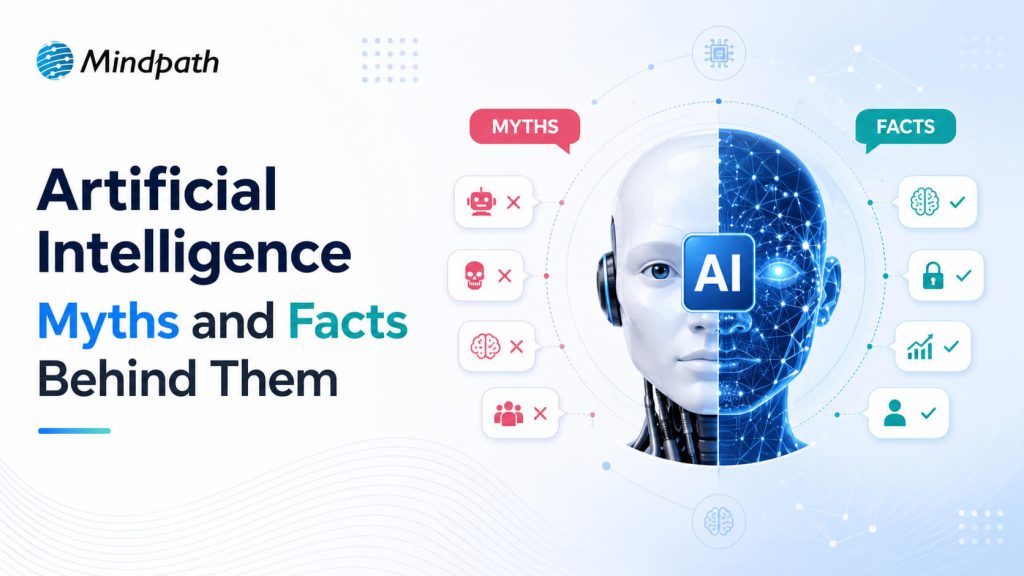
We often hear artificial intelligence myths shaping opinions in digital discussions today. Businesses, developers, and leaders question what defines AI in real applications. There are numerous assumptions that confuse its actual ability and limits. This creates a challenge as opinions spread faster than verified facts in industries. You might find narratives about the challenges of the adoption of AI and performance.
This discussion is becoming even more significant with the reliance of organizations on AI systems nowadays. Behind such tools, people tend to question reliability, intelligence and decision making. Meanwhile, innovation is still transforming the expectations in industries today. The lack of understanding AI can slow down the adoption process and reduce the actual growth opportunities. In this blog, we will examine AI misconceptions and what truly constitutes artificial intelligence as it is presently implemented.
Ready to move past the hype and see what AI can actually do for your business? Mindpath offers AI development services to help you build practical solutions that make a real difference.
How Artificial Intelligence Myths Begin and Spread?
The origins of AI myths is when individuals combine science fiction, cultural narratives and technical ignorance. The history of fiction and media fantasy influence the ideas of strong or intelligent machines. Poor AI knowledge also creates confusion with regard to the actual functioning of systems. Such myths regarding artificial intelligence increase more rapidly when the explanations are ambiguous or too complicated.
The myths about artificial intelligence are widely distributed via the media headlines, social platforms, and commercial hyperbole. The sensational stories tend to emphasize drastic results rather than actual applications. The absence of AI literacy reinforces misinformed notions among users as well. The more the content is shared, the more artificial intelligence myths gain traction, even when they do not reflect actual technology.
Also Read: Top AI Trends 2026
Debunking AI Myths with Real Facts
Facts that are crystal clear help remove misunderstandings from true grasp of technology. Talking about AI myths vs reality reveals that people’s views are really very different from what artificial intelligence is doing nowadays in real applications.
1. AI Shows Human Emotions and Thinking
Myth: AI is able to think, feel, and respond like a human during conversations. This notion is in line with the most common artificial intelligence myths today.
Reality: AI simply analyzes patterns and probabilities in training data to produce its answers. It is neither capable of feeling emotions nor does it have a real understanding.
2. AI Creates Truly Original Ideas
Myth: AI has a deep understanding of content and can generate completely new ideas like humans. A lot of people assume that this is a fact of real artificial intelligence.
Reality: AI produces outputs based on existing data and the patterns it has learned. It cannot understand or truly create original ideas like humans.
Curious about how AI actually supports decisions without thinking like humans? Explore how AI in decision-making works in real scenarios to improve accuracy and business insights.
3. AI Learns Without Human Help
Myth: AI systems can independently learn and develop without any human intervention. These assumptions shape many myths of AI today.
Reality: AI can only improve when the developers train and update the models with fresh data. It is entirely dependent on human guidance and programming.
4. AI Will Replace Human Intelligence Everywhere
Myth: AI will surpass human intelligence in all areas very soon. People who believe this don’t consider the practical AI benefits and risks that exist today.
Reality: AI performs specific tasks efficiently but lacks human judgment and intuition. It cannot replace overall human intelligence in real scenarios.
5. AI Always Gives Correct Answers
Myth: AI systems provide correct and trustworthy information at all times and under all circumstances. Most people are unaware of the machine learning basics in this case.
Reality: AI can generate wrong results or hallucinate during responses. It is necessary for the users to check the outputs before making any decision.
6. AI Causes Only Job Losses
Myth: AI will get rid of jobs and lead to great unemployment in all sectors. This view is often used to spread fear of technological change.
Reality: AI, on the one hand, opens up new job prospects and on the other hand modifies the nature of existing jobs in many areas. In fact, it alters the way work is done rather than completely wiping out job opportunities.
Wondering how AI is changing roles without replacing people entirely? Explore how AI is refining job roles in tech, reshaping responsibilities, and creating new opportunities.
7. AI Works Only in Technical Fields
Myth: AI is only effective in tech industries and applications. Many fail to realize AI is already so thoroughly integrated into our day-to-day living that they hardly notice it
Reality: AI is capable of making a huge impact in the sectors of healthcare, finance, education, plus a vast array of daily tools. Its deployment in multiple fields is speeding up day by day
8. AI Is Only for Experts
Myth: Only very expert professionals can make use of AI tools at work. This myth keeps regular users from adopting the technology.
Reality: User-friendly AI tools understand natural language and can be accessed through simple language commands. Anyone can use them with basic understanding and clear instructions.
Want to see how AI is being used in simple, practical ways across everyday business functions? Explore real-world AI use cases that show how accessible and impactful this technology has become.
Key AI Trends Defining What Comes Next
Key trends are shaping how technology evolves across industries today. The future of artificial intelligence will continue to influence innovation and business growth.
1. Agentic AI as Digital Work Partners
AI now handles tasks with minimal input and acts more independently. This shift changes how teams manage daily operations.
2. Industry-Specific AI Models
Businesses use focused models trained on specific data for better accuracy. These models improve performance in targeted industries.
3. Multimodal AI Capabilities
AI processes text, images, audio, and video together in real time. This enables more natural and effective user interactions.
4. Physical AI in Real Environments
AI powers robots that can sense, act, and learn in physical spaces. This expands AI use beyond digital systems.
5. AI in Software Development
Developers now guide AI to generate solutions instead of writing every line. This improves speed and efficiency in development.
6. Efficient AI Infrastructure
AI systems now focus on performance and energy efficiency. These advancements also challenge common artificial intelligence myths about resource dependency.
Planning your next move with AI, but unsure how to align it with long-term business goals? Read a structured AI roadmap to understand how to implement AI step by step with clarity.
Ready to Move Beyond Artificial Intelligence Myths?
Today, artificial intelligence myths are known to confuse and hinder informed decision-making in businesses. Knowledge of AI reality assists organizations in embracing technology with a sense of clarity and confidence. Clarity leads to superior planning, smarter investments, and practical implementation of AI in real-world applications and results.
At Mindpath, we provide AI development services that help businesses align with real AI capabilities and goals. Our experts turn ideas into practical solutions with strong results. We help you move forward with confidence by focusing on real value and measurable business impact.
Frequently Asked Questions
1. How do artificial intelligence myths influence business decisions when adopting AI tools?
Artificial intelligence myths often create unrealistic expectations or unnecessary fear around AI adoption. This can lead to poor decisions, delayed implementation, or misuse of tools, ultimately affecting productivity, efficiency, and overall business growth outcomes.
2. Why is it important to understand artificial intelligence myths before investing in AI solutions?
Understanding artificial intelligence myths helps businesses set realistic expectations about AI capabilities. It ensures better planning, smarter investments, and more effective use of technology, leading to improved results and long-term value across different business functions.
3. Can AI completely replace human roles, or does it mainly support existing work processes?
AI mainly supports human work by automating repetitive tasks and improving efficiency. While some roles may change, many new opportunities are created, making AI more of a support system rather than a complete replacement for human involvement.
4. How can organizations measure the real impact of AI after implementation?
Organizations can track performance through productivity improvements, cost savings, and efficiency gains. Regular evaluation of outcomes helps ensure AI delivers real value and aligns with business goals instead of relying on assumptions or expectations.
5. Is technical expertise required to start using AI tools effectively in everyday business operations?
Most modern AI tools are designed for ease of use and do not require deep technical knowledge. With basic understanding and clear instructions, teams can start using AI tools efficiently for daily tasks and business processes.
Every business in any industry you can think of depends heavily on their customers and how well they engage with the business. The two most prominent sectors that cannot compromise with customer engagement are retail and ecommerce. With the growing adoption of generative AI in retail and ecommerce, business leaders have been trying to figure out ways to leverage generative AI to enhance customer engagement.
According to a report by McKinsey, generative AI can add almost $4.4 trillion to the global economy in different use cases (Source). On top of it, around 75% of the value delivered by generative AI will be focused on four areas, which also include marketing. This is where retail and ecommerce businesses can look for an opportunity as generative AI can transform interactions with customers.
Looking to transform your business with intelligent automation and creative AI insights? At Mindpath, we implement Generative AI developement services strategies that empower companies to innovate faster and make smarter decisions.
Understanding the Rise of Generative AI in Retail and Ecommerce
Few years ago, no one would have believed that artificial intelligence will become a part of everyday lives of people. The arrival of generative AI changed the narrative and you can witness generative AI use cases in retail and ecommerce transforming how brands engage with customers. Generative AI can not only help in generating text and images but also offers the opportunity to extract valuable insights.
You can witness the growing influence of generative AI in the domain of retail and ecommerce through some statistics about generative AI.
- McKinsey has predicted that generative AI could add value of $400 billion to $660 billion annually in the retail and consumer packaged goods sector (Source).
- NVIDIA has pointed out that almost 90% of retail businesses have been actively using AI in different operations (Source).
- The adoption of generative AI in the world of ecommerce can lead to 300% growth in revenue and a 150% rise in conversion rates (Source).
All these numbers showcase exactly why business leaders in retail and ecommerce want to discover the true potential of generative AI. The estimates of value derived from generative AI create curiosity regarding the different ways in which retail and ecommerce businesses can leverage generative AI.
Wondering how AI can do more than just enhance customer experiences in retail? Discover the real-world applications of generative AI in business in this detailed guide.
How Does Generative Improve Customer Engagement?
A major share of the impact of generative AI applications in retail and ecommerce will revolve around customer engagement. Many people will believe that the use cases of gen AI in retail and e-commerce focus on automation alone. However, generative AI brings a novel blend of automation, automated content generation, and deep analysis, enabling hyper-personalized interactions, 24/7 intelligent self-service, and the ability to anticipate customer needs before they arise. This combination introduces benefits for both consumers and marketers.
The ideal approach to understand how retail and ecommerce businesses can leverage gen AI will involve a review of its use cases.
1. Making Every Customer Experience Feel Personal
All brands in the retail and ecommerce space consider personalization as their top priority to grow their market share. You must have noticed how digital retail and ecommerce platforms provide the “You May Also Like” sections below product pages. However, the problem arises when the products recommended in those sections are completely irrelevant. Would you buy an electric bulb when you are purchasing wires to repair a circuit box?
The first step to harnessing generative AI for improvement in customer engagement begins with improving personalization. Generative AI can help with comprehensive analysis of browsing history and purchasing patterns of customer to find valuable insights. In addition, the utility of generative AI in sentiment analysis can also help in identifying what customers actually want.
The power of generative AI can enhance personalization and makes every customer feel that the brand thinks about them. With the help of generative AI, brands can present more accurate product suggestions and use targeted promotions for relevant audience. The improvements in customer experience through personalization play a vital role in enhancing customer engagement.
2. Transforming Supply Chain Operations with Smart Decisions
Ask any retailer about their biggest concerns and they will obviously speak of supply chain management. Can you imagine the plight of a business owner who has a lot of stock or runs low on stock? In both cases, the business is suffering from ineffective supply chain management. The introduction of generative AI in ecommerce turned things around by providing a powerful tool for data analysis. Generative AI can easily facilitate comprehensive analysis of historical sales data and trends along with external factors to draw accurate demand forecasts.
How does the analysis of historical sales data and external sales factors improve customer engagement? You can think of a retail or ecommerce business that uses generative AI to predict if the demand will increase before the holiday season. As a result, it can avoid scenarios where it has run out of stock in the middle of the holiday season.
Generative AI also makes supply chain operations a lot smarter with accurate predictions for deliver times. In ecommerce, customers can get real-time updates on shipping status and delivery dates with better transparency. You can clearly notice how generative AI enhances customer engagement by streamlining supply chain management and enhancing transparency.
3. Turning Customer Interactions into Productive Conversations
The endless wait for replies from customer service representatives has come to an end with the arrival of generative AI. You can notice generative AI use cases in ecommerce evolving beyond the benefits of automated customer service. Generative AI serves as the driving force behind creation of virtual assistants and conversational AI chatbots that make online shopping more seamless. The AI-powered assistants can simulate conversations that customers are likely to have with in-store sales executives.
Big brands in the retail and ecommerce space like Walmart and Amazon have introduced AI chatbots to provide customer assistance. How are these chatbots assisting customers in their shopping experiences? Customers can use them to track prices during peak shopping seasons, such as during Black Friday sales. The chatbots also help customers in comparing products and creating shopping lists without any complaints.
The AI-powered virtual assistants bridge the customer experience gap between shopping online and in-store purchases. Generative AI empowers chatbots to use customer data and find out what exactly customers are looking for. The personalized guidance in their interactions with customers gets better as the virtual assistants learn continuously and offer accurate recommendations.
4. Supercharging Marketing Efforts with Generative AI Content
The search for top use cases of generative AI in online commerce and digital retail spaces will also lead you to marketing. Without targeted marketing, brands cannot retain customers and lose a major share of customer engagement. The larger generative AI market sheds light on how generative AI applications enhance the work of marketing professionals. Generative AI works like the young marketing intern who can work endlessly for hours while churning out creative ideas.
Retail and ecommerce brands have been using generative AI to craft compelling product descriptions, social media posts and ad copies. The best thing about leveraging generative AI to supercharge your marketing efforts is the opportunity to use genuinely out-of-the-box content. For instance, some retail companies use generative AI to create multiple versions of ad copies and test them.
Generative AI also opens the doors for creating highly personalized marketing content, including personalized email and SMS campaigns. Brands can design product descriptions that offer the highest conversion rates. Tailoring your marketing content to the target audience ensures that the content appeals to the audience and improves engagement.
Want to know which AI solutions are truly transforming customer experiences in retail? Explore actionable agentic AI examples here to enhance your customer engagement.
Ready to Transform Customer Engagement With Generative AI?
The ability to leverage generative AI in retail and ecommerce has offered a new ray of hope for customer engagement. You can witness the use cases of generative AI transform different aspects of how brands engage with their customers. For example, you can witness generative AI revolutionizing marketing with automated content generation. At the same time, generative AI drives virtual assistants and also reviews the sentiment in customer reviews.
Mindpath is your reliable partner in developing generative AI solutions tailored for the retail and ecommerce spaces. We have helped many brands establish strong foundations in customer engagement performance by providing the best-in-class generative AI solutions. You can consult with our experts and discover the ideal ways to incorporate generative AI and increase customer engagement.
Frequently Asked Questions

Curious about what the future holds for ReactJS? Wondering how this powerful framework will evolve in the coming years? As we look ahead to 2025, there are exciting trends that every developer should know. What innovations will reshape web development, and how can you stay ahead of the curve? In this blog, we will dive into the ReactJS trends 2025 which will shape the future of development!
ReactJS is a free tool developed by Facebook that makes it easier to create user interfaces for websites and apps. It makes it easier for developers to construct interactive and dynamic features by dividing them down into smaller, more manageable components. These components can be reused and changed individually, which makes the development process more efficient and organized. React.js is intended to simplify the creation and maintenance of user interfaces, hence boosting performance and user experience.
Knowing the ReactJS trends for 2025 is vital since it keeps developers up to date on the newest improvements. Following these trends allows developers to create better, quicker, and more user-friendly websites. It also enables businesses to leverage cutting-edge technology to keep their websites and applications up-to-date and competitive. Staying informed about these trends allows you to enhance your abilities, solve challenges more quickly, and build projects that are ready for the future.
So, want to know about the ReactJS trends for 2025? Let’s dive in!
ReactJS Trends 2025
1. AI and Machine Learning in React
By 2025, AI and machine learning will play a far larger role in React development. Developers will begin to use AI technologies to help them create code quicker, rectify errors, and enhance website performance more quickly. This will make React development much faster and easier.
React will also integrate with machine learning technologies, enabling developers to create smarter apps. These apps will be able to recognize photos, comprehend voice or text, and forecast user behavior. This will make websites and applications more dynamic, intelligent, and capable of providing superior user experience.
2. Growing React Libraries
One of React’s greatest advantages is its ecosystem, which will continue to improve by 2025. We can anticipate additional frameworks and tools to make React even more powerful for tasks like data management, page navigation, information retrieval, and server-side website optimization.
Popular technologies such as Next.js and Gatsby will continue to evolve, providing developers with new options to build fast websites that include static pages, server-side rendering, and smart routing. New libraries will also be released to assist developers in addressing new issues while working with React. This will make the React ecosystem even more diverse and useful, allowing developers to create even better websites and applications.
3. Boosting React Performance
As apps expand in size and complexity, React developers will need to prioritize improving their performance. By 2025, we anticipate seeing new methods for making React apps quicker and more efficient. This will involve lowering code file size, enhancing lazy loading, and optimizing website rendering.
One technique to improve speed is to use better code splitting, which involves just loading the necessary sections of the code and keeping programs lightweight. Another option is progressive hydration, which makes server-rendered components more interactive by loading them in phases. Furthermore, better caching strategies will assist in eliminating superfluous data loading, allowing websites to load faster and offering a more seamless user experience.
4. React Native for More Mobile Apps
React Native, the mobile version of React.js, has gained popularity since its introduction. The language and components used for web development can be used to create mobile applications for both iOS and Android. With the increased need for mobile apps, we predict even more developers to choose React Native for their projects by 2025.
One of the key advantages of React Native is that it allows developers to reuse code across both platforms, which speeds up and simplifies app development. It also features a growing number of native modules and third-party connections that provide more functionality. By 2025, we can anticipate advancements in the design of React Native, which will optimize speed and bring the experience even closer to that of native apps.
5. Better Tools for Developers
By 2025, we can anticipate significant advancements in the tools that developers utilize for React. React DevTools, ESLint, and Prettier have already made it easier to develop applications. We can anticipate integrated development environments (IDEs) like VS Code to improve further, including greater support for React’s unique features like hooks and smart code suggestions. This will enable developers to create apps more quickly and precisely.
In addition, we should expect increasingly powerful tools that employ AI to analyze code and discover flaws. These new tools will allow developers to produce more dependable code with less effort, speeding up and smoothing out the development process.
6. React Server Components Rising
One of the most interesting recent developments in the React ecosystem is the release of React Server Components. These components enable developers to execute portions of their apps on the server while maintaining the familiar React API for client-side components. This implies that apps can render more effectively, lowering the amount of JavaScript transmitted to the client while improving overall speed.
By 2025, we predict React Server Components will be required for developing high-performance, server-driven apps. They will assist developers in creating apps that load quicker and perform better, particularly in scenarios with sluggish internet connections or restricted bandwidth. This will improve the overall user experience.
ReactJS Development Services at Mindpath
End Thought!
As we look toward 2025, the trends shaping ReactJS development promise to revolutionize how we build applications. From the integration of AI and machine learning to the rise of React Server Components, these advancements will enhance performance, user experience, and developer efficiency. At Mindpath, we are dedicated to leveraging these trends to create innovative, high-quality applications that meet your unique needs. By staying ahead of the curve, we empower our clients to thrive in an ever-evolving digital landscape.
Ready to elevate your project with cutting-edge ReactJS solutions?
Partner with Mindpath today to discuss how we can bring your vision to life!

Have you ever wondered how top companies make quick, informed decisions that keep them ahead of the competition? That’s where decision intelligence comes in! But what does this mean for businesses like yours? How can harnessing decision intelligence help you navigate uncertainty and drive success? In this blog, we will explore the fascinating world of decision intelligence and uncover its potential. So, let’s dive in!
What is Decision Intelligence?
Decision Intelligence (DI) is the way organizations utilize artificial intelligence (AI) to make smarter decisions. It focusses on achieving results that assist the organization to achieve its objectives. Companies can employ Decision Intelligence to improve the efficiency of each department and increase overall performance. A firm, for example, can utilize DI to analyze sales data, better understand client preferences, and develop new methods to generate profit. Businesses can become more efficient and productive by leveraging smart technology to support their choices.
Why is Decision Intelligence Important for Businesses?
Decision intelligence is important because it enables businesses to make rapid and precise decisions by combining AI and data. This implies that firms can resolve problems more quickly and better satisfy their customers’ requirements. Companies that use Decision Intelligence can collect and analyze data using smart technologies to predict the best results for their decisions. However, Decision Intelligence does not replace people in decision-making processes. Instead, it empowers people by improving their access to all corporate data. This allows them to comprehend the full picture and make the best decisions possible. Businesses can use Decision Intelligence to make data-driven choices at all levels. Additionally, it improves their operational visibility, which can offer thrilling outcomes that could revolutionize their success!
Benefits of Decision Intelligence (DI)
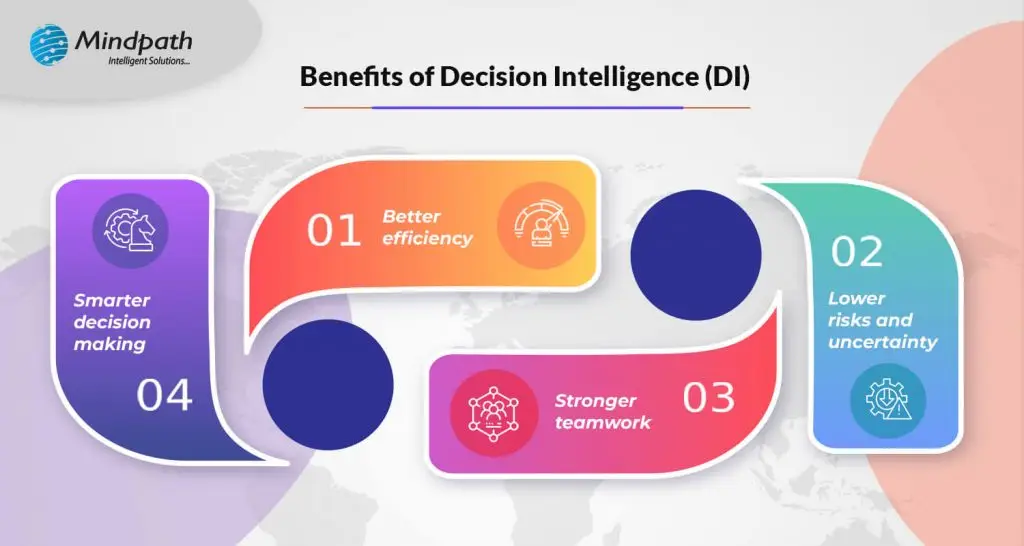
1. Better efficiency
One of the primary advantages of Decision Intelligence is its capacity to increase organizational efficiency. Decision Intelligence allows leaders to make faster and more informed decisions by delivering the relevant information at the right time. When leaders have access to real-time data, they can quickly analyze circumstances and comprehend the consequences of their decisions. This urgency is essential in today’s fast-paced corporate climate, when delays can result in missed opportunities or bad consequences. For example, if a corporation observes a rapid shift in client behavior, Decision Intelligence can assist executives in immediately analyzing the data, allowing them to adjust their strategy without wasting time.
Furthermore, Decision Intelligence enables organizations to simplify their operations. When executives have easy access to important insights, they can eliminate superfluous processes in the decision-making process. This not only saves time, but also allows teams to focus on what is genuinely important, resulting in improved cooperation and more successful outcomes. As a result, businesses using Decision Intelligence become more responsive. They can adjust to market developments, client requirements, and internal issues more quickly and adaptably.
2. Lower risks and uncertainty
Another significant benefit of Decision Intelligence is its capacity to assist organizations in reducing risks and uncertainties. While risks are always there in business, Decision Intelligence enables businesses to detect possible dangers earlier. Organizations can detect warning indicators, such as diminishing customer satisfaction, and take proactive efforts to resolve issues before they worsen.
In addition to recognizing risks, Decision Intelligence enables firms to investigate several potential consequences of their actions. Organizations can utilize predictive analytics to model numerous scenarios and better understand the possible consequences of their decisions. This competence allows leaders to balance the benefits and drawbacks of many alternatives, making it simpler to select the best course forward while minimizing unwanted consequences. Furthermore, decision intelligence enables organizations to design effective risk management methods. Companies that anticipate possible issues might develop plans to limit their effect. For example, if a company expects supply chain interruptions, it might seek alternate suppliers ahead of time.
3. Stronger teamwork
Improved teamwork is another significant advantage of Decision Intelligence. Decision Intelligence helps stakeholders align throughout the organization by providing a single source of truth for data and analytics. When everyone has access to the same correct information, it is simpler for teams to communicate effectively and collaborate on common goals.
With Decision Intelligence, different departments can turn to the same data, minimizing misconceptions and promoting a cohesive strategy. This transparency guarantees that everyone understands the same thing, whether it’s about sales objectives, customer feedback, or operational issues. When teams understand their common goals and have accurate facts to back up their talks, they can work more effectively. Furthermore, Decision Intelligence promotes collaboration by breaking down the barriers between departments. When individuals from several departments exchange thoughts and data, it results in improved problem-solving and new solutions.
4. Smarter decision-making
Improved decision-making is a major advantage of Decision Intelligence. Executives can more effectively recognize and analyze distinct scenarios by utilizing analytics in key moments. This helps people to better assess the probable repercussions of their choices, resulting in more informed judgements.
When leaders use data-driven insights, they can consider the benefits and drawbacks of several solutions before making a decision. For example, if a firm is thinking about releasing a new product, Decision Intelligence can help executives evaluate market trends and client preferences. This thorough examination enables them to make the best choice that matches the company’s objectives.
Also Read: 5 Conversational AI Trends To Watch Out For In 2024
Decision Intelligence Services at Mindpath
Mindpath’s Decision Intelligence services help organizations make informed choices by integrating advanced analytics with human insights. Unlike traditional artificial intelligence, which mostly automates processes and makes predictions, our methodology assists executives in evaluating many scenarios and outcomes, ensuring they have a comprehensive perspective of their corporate objectives.
By offering a single source of truth for data, we encourage stakeholder engagement and minimize divisions between departments. This alignment enables everyone to work towards shared goals, resulting in better informed, effective decision-making throughout the organization.
Wrapping Note!
In today’s fast-paced corporate environment, decision intelligence is essential for organizations attempting to succeed in the face of uncertainty. Companies can make better, quicker choices by integrating modern analytics and human insights. The benefits like increased efficiency, lower risks, stronger cooperation, and better decision-making, show how Decision Intelligence can alter operations and drive performance.
At Mindpath, we are dedicated to assisting organizations in achieving their objectives by using decision intelligence. By offering a single source of truth and encouraging cooperation, we enable organizations to successfully handle problems and grasp opportunities. Mindpath’s Decision Intelligence services can help you unleash your organization’s full potential.
Ready to transform your business with smarter decision-making?
Partner with Mindpath’s Decision Intelligence services for data-driven success.

The retail industry has undergone a great transformation due to its widespread adoption of IT outsourcing services. Recently, the global IT sourcing service market size is expected to reach USD 752.08 billion by 2031. So, by outsourcing the major IT functions like technical support, infrastructure management, and site development, your retail business can prioritize its core approaches. Further, you can strategize better features for satisfying your customers in the long run.
The following approach has made many retail businesses stick to better process agility. So, you can easily adapt to changing market demands without worrying about handling IT operations internally. Let us further analyze how retail IT sourcing can smartly empower your business.
Looking to enhance customer experience and streamline your retail processes? At Mindpath, we offer scalable retail and ecommerce software development services built for performance.
Why Retailers are Facing Growing Technology Pressure?
As per the trends of McKinsey, around 40% of consumers claimed to switch their retailers or brands. So, such a pattern is putting retailers under constant pressure to innovate something unique while maintaining streamlined daily operations. Moreover, customers are more into fast proceedings and personalized approaches while being mindful about data security. Most importantly, they demand consistent experience throughout offline and online platforms.
To meet such valuable preferences, you need to rely on modern retail IT solutions.
But assigning the whole task to your in-house team can be a bit challenging. Rising IT operational charges might hamper you, along with inefficient skills. Further, an unresponsive system might impact your sales. This is why outsourcing experts can be your ultimate option.
What is Retail IT Outsourcing?
In retail IT outsourcing, you need to partner with an external technology provider to manage your IT functions. Such skilled professionals can help you with innovative retail IT services that can upgrade your business operations while encouraging customer experience.
So, instead of depending upon huge internal teams, your business can leverage the authenticity of experienced professionals. Further, outsourced teams come with better experience and industry knowledge. Such adoption can also allow your retail business to follow its core responsibilities.
Wondering how evolving digital solutions are influencing modern retail operations? Read our Digital Transformation Trends blog to uncover the strategies defining the future of retail.
Why Retail IT Sourcing Makes Sense for Modern Retailers?
Here you can discover why outsourcing retail industry IT services can be beneficial and how it can help your business gain a competitive edge. Further, it allows you to discover many influential opportunities that you might have missed to date.
1. Cost-Efficiency Without Compromising on Quality
Retail IT outsourcing services can be financially helpful while saving on expenses. When you outsource the IT team, it can minimize the operational charges that include labor expenses. For example, your company can save up to 70% on its labor costs by discovering the talent pool in countries with minimal wage standards.
Such financial flexibility allows businesses to channelize the resources more effectively.
2. Better Customer Experience
Outsourcing can essentially make your customer experience better by offering them 24/7 support along with multilingual service. This can help your customers get efficient and timely assistance, no matter what time zone they follow. Moreover, this approach is beneficial for retail businesses that have a global customer base.
Moreover, through IT outsourcing, businesses and modern retailers can integrate modern service solutions like social media support and live chat.
3. Flexibility and Scalability
One of the most detailed advantages of retail outsourcing services is its scalable features. You can easily broaden your operations or make them minimal as per the market requirements and seasonal peaks. Further, this flexibility is essential in fast-paced e-commerce businesses, where your customers need frequent changes as per the trends.
Must Read: AI in E-commerce
4. Prioritize Core Competencies
If you prefer retail IT sourcing for your non-core functions, you can easily focus on the core competencies of your business. Some of the major elements include brand strategy, product development, and market expansion. Such focus can allow your business to innovate and prove its uniqueness in the crowded market.
5. Technological Advancements
Outsourcing allows retail businesses access to the trendiest technological advancements without any in-house investments. Additionally, outsourced partners also bring specialized expertise in modern tech like big data analytics, machine learning, and AI.
6. Improved System Reliability
Downtime in your retail business can directly influence your customer trust and sales. So, outsourced retail IT services proactively monitor the systems while managing the updates.
Ready to enhance retail efficiency with intelligent solutions? Explore AI and business strategies that drive innovation and accelerate sustainable growth.
What are Some Eminent Retail Industry IT Services That Can Be Outsourced?
Understanding the massive scope of retail IT sourcing can help you acknowledge the best functions that need to be outsourced.
1. Inventory Handling
This type of outsourcing mainly involves tracking stock levels and managing reorders. It can also align your warehouse functions. A professional team will always use modern tools to verify the inventory quickly while lessening the chances of overstocking or running out of products.
2. Managed IT Support
This approach includes maintaining hardware and software, monitoring systems, handling updates, and backups. Further, managed services can encourage your operations while lessening the efforts of your internal teams.
3. Managing Cloud Infrastructure
Cloud-related retail IT services can encourage scalability while adopting real-time visibility. Further, outsourcing cloud management can assure you of great performance and cost efficiency without any internal defects.
4. Technical Support
Professional outsourced teams can help your retail company resolve the technical issues quickly while ensuring your system performs well. Further, it accesses your in-house team to leverage the best features for its customers.
This approach can give rise to quick resolutions while keeping your online operations intact.
5. Custom Development
Retailers generally require applications that remain streamlined. Starting from inventory tracking tools to engagement patterns, everything has to be in shape. So, outsourced retail IT solutions can build and integrate such functions precisely while prioritizing your core requirements.
Challenges You Might Face Without IT Outsourcing
As retail operations have become more technology-driven, managing IT internally can give rise to a series of risks. Some of the eminent ones have been given below.
- Frequent system crashes.
- Limited access to professional IT knowledge.
- Difficulty in following the trendiest retail technologies.
Struggling to scale your retail systems efficiently? Read how custom software development can help you deliver personalized retail journeys.
Conclusion
Outsourcing retail IT services has become extremely important for businesses that want growth while keeping their operations intact. So, partnering with outsourcing providers can help your company have access to expertise in order fulfillment, technical support, and much more. Further, you can think of innovations while being customer-focused in this rapidly evolving retail environment.
If you also want to seek quality-oriented and dependable outsourced IT services, Mindpath stands as your top choice. We offer tailored retail IT outsourcing services that are designed to support your modern retail operations while helping you adopt long-term digital success.
Frequently Asked Questions
Join our Newsletter!
categories
Join the world's largest training library and unlock new opportunities!
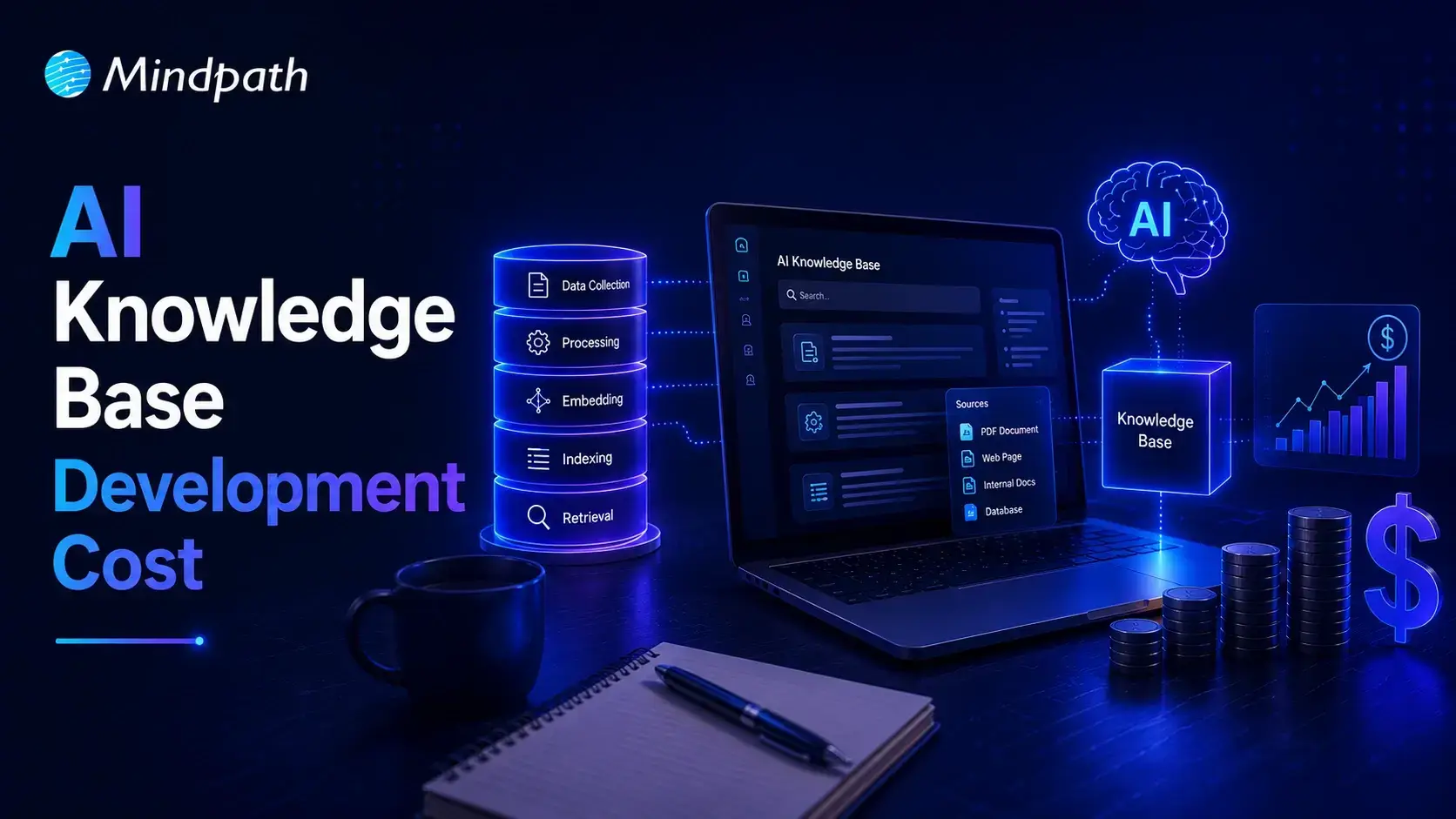
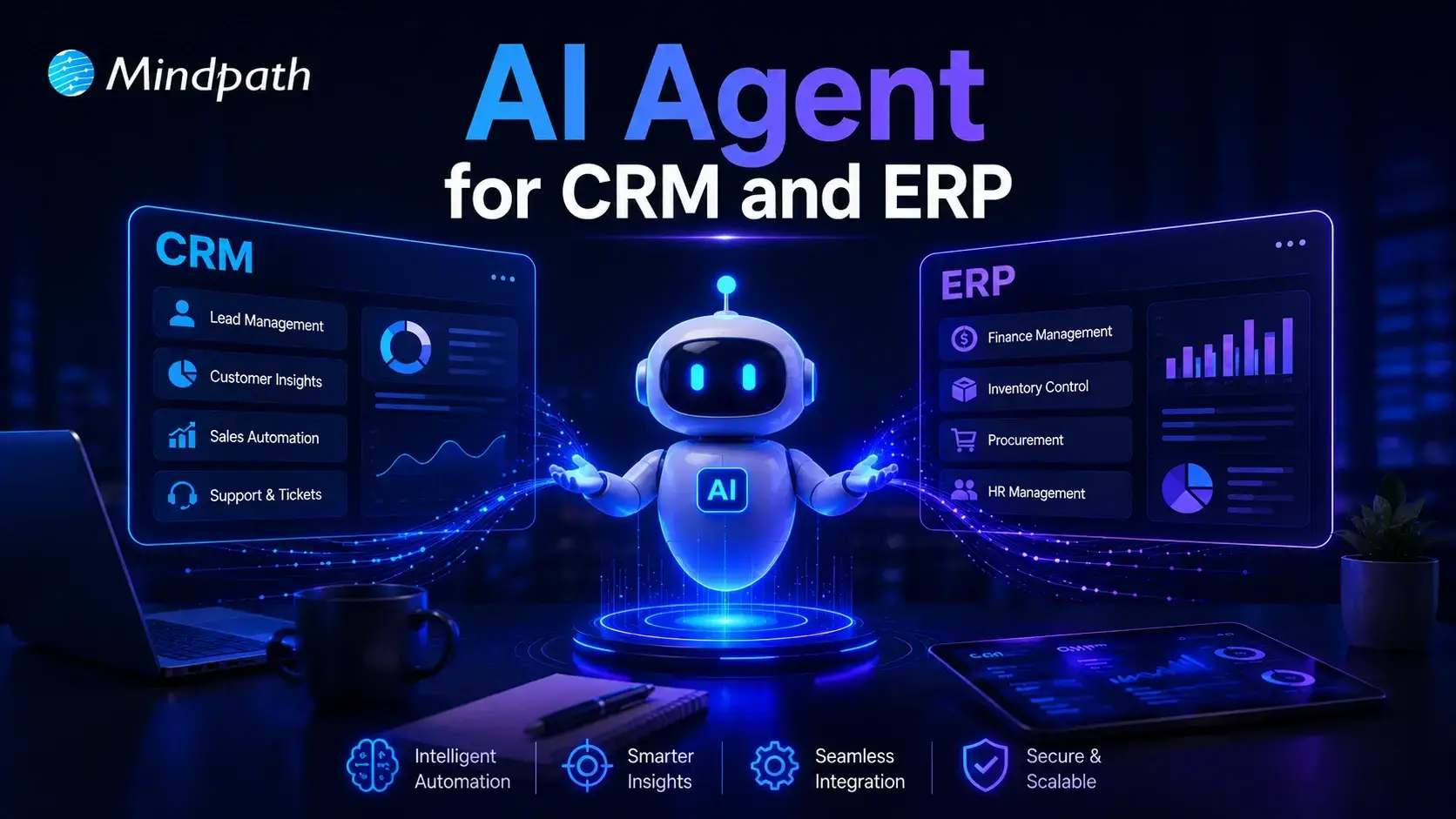
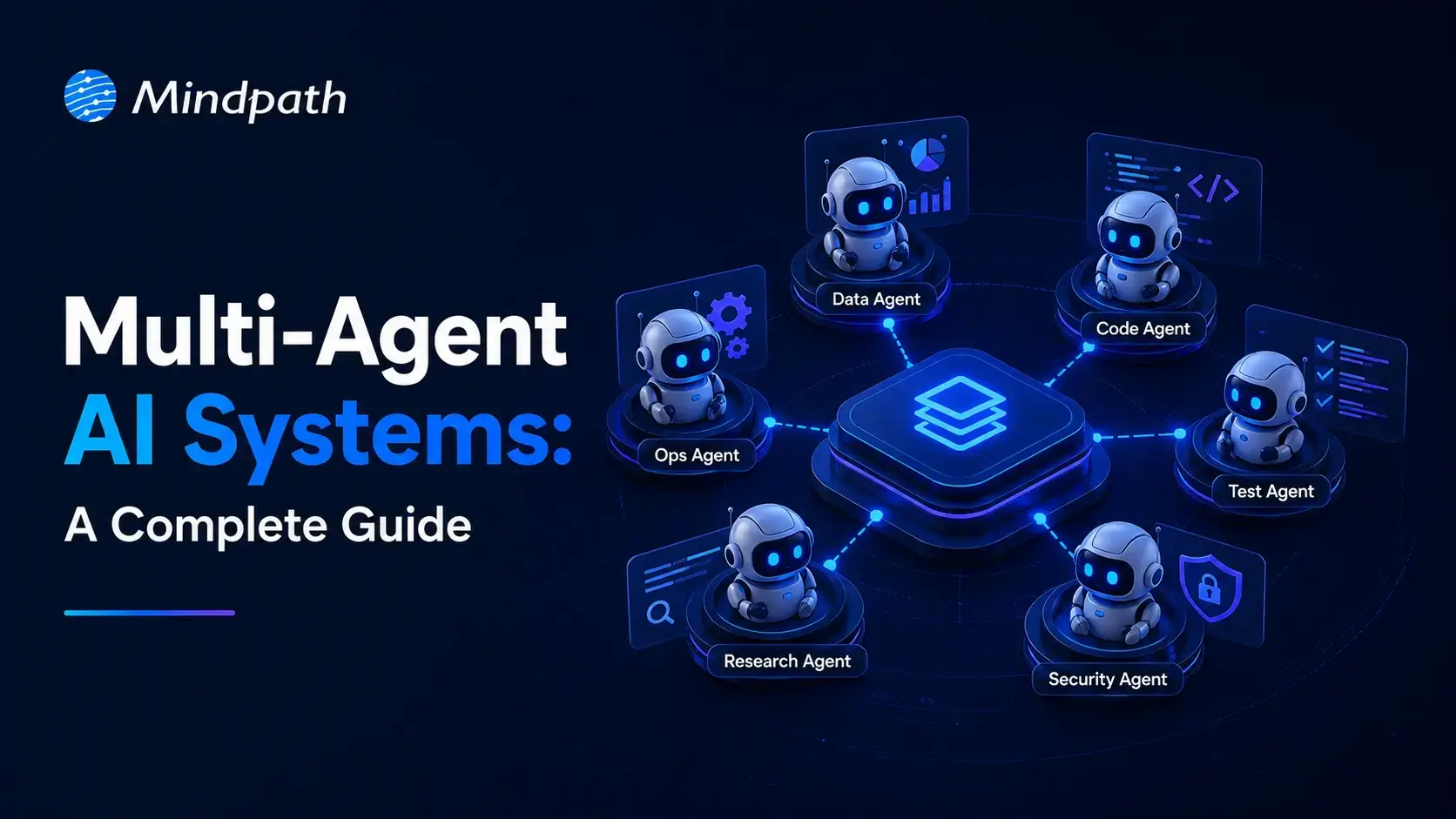
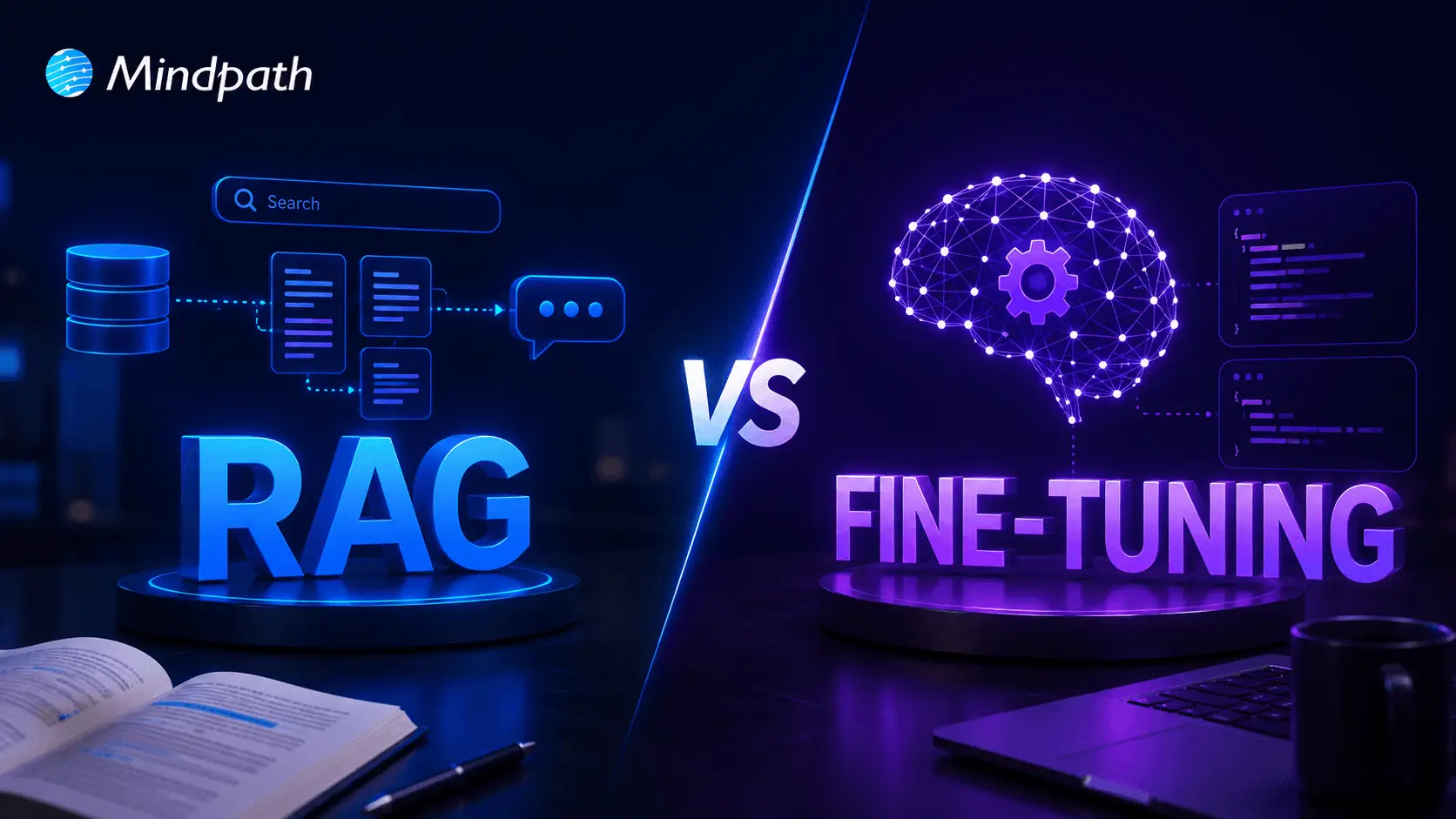
Turn Insights Into
Real Business Solutions
Exploring trends is only the beginning. Whether you’re planning AI adoption, modernizing legacy systems, or building scalable software, our experts help transform ideas into practical business outcomes.