Node.js Innovations: Trends Shaping the Future of Digital Technology

Join our Newsletter!

Featured Posts

Support Is One Click Away

Home

Node.js Innovations: Trends Shaping the Future of Digital Technology

nodejs trends

Node.js Innovations: Trends Shaping the Future of Digital Technology

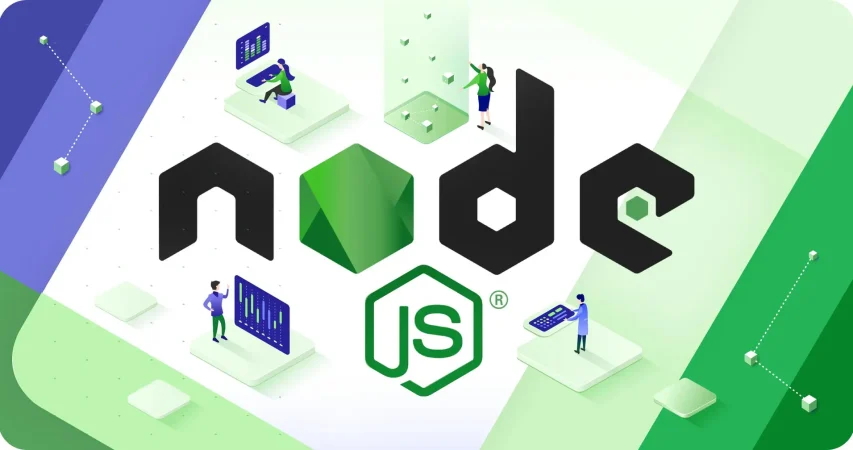
Ever wondered how the digital world is advancing with incredibly rapid speed? One of the central performers in that play will be Node.js. So, are you curious about the trends that are pushing the potential of Node.js to the very front of technology? In this blog, we will explore the Node.js trends that are shaping the future of digital technology.  Node.js is a very powerful tool that aids the running of fast and efficient web applications running outside of browsers. It is great for real-time updates and server-side programming because it does not get stuck waiting for one task to finish before moving on to the next. According to the V8 engine of Google Chrome, Node.js is open source—that is, free to use and constantly improved by developers all around the world. Unlike traditional frameworks or libraries, Node.js is a runtime environment. It enables a developer to get all the required things for writing code and running it as fast as possible in one place.   Knowing the trends of Node.js is important in using the latest tools and methodologies to construct better and faster web applications. Knowing what is new will help you create more efficient and modern projects, keeping ahead of your competitors and ensuring that your skills are relevant. Besides, application of the newest trends will help you to work more efficiently and save a lot of time.  So, let’s dive in as we explore the top Node.js trends that are shaping the tech landscape and redefining how we interact with the digital world! 

Top 10 Node.js Trends in 2024  

1. AI in Node.js Development  

AI is making a high impact in technology, and Node.js is no exception. Combining AI and Node.js empowers developers to build smart and efficient applications. For example, AI could help automate tasks to make your applications run smoothly and fast. You can use TensorFlow.js to bring AI capabilities natively into your Node.js applications. This could be a chat application where AI helps answer questions, or a website that uses AI to change content based on user behavior. In short, AI and Node.js are quite a powerful combination, and enable new use cases for more advanced, more highly automated applications. 

2. TypeScript Adoption  

TypeScript is an advanced version of JavaScript, extending it with some extra features to make coding easier. It features classes and optional type checking, which has made it excellent at managing complex code. Many Node.js developers love TypeScript because it enables them to develop more reliable applications that can scale easily. TypeScript works very well with Node.js, offering improvements in code quality while reducing mistakes. Thus, it makes building and maintaining a project easy for the developer. 

3. Real-time Applications  

Real-time applications are finding their way into many industries, from gaming to retail, due to the ability of their users to act in real time and be updated live. Node.js is an excellent choice for developing these apps since it enables a developer to handle several requests at a time with speed. As the global real-time communication market is projected to grow by 43.4% from 2020 to 2027, it is likely that more companies will turn their backs on Node.js to fulfill their real-time requirements. Real-time technologies, like social media and messaging applications, gain their importance from being so well accepted. For example, AI-powered chatbots can be integrated into websites and mobile applications for customized experiences and smoother interactions with users. Other typical Node.js uses in real-time applications include gaming online, video conferencing, instant messaging, e-commerce transactions, document sharing, and VoIP calls. A professional Node.js developer can help in the development of such complex applications, enhancing user experience, and meeting the growing demands for real-time features. 

4. Serverless Architecture Development  

Serverless architecture is the modern pattern for building and running applications that do not require server management or infrastructure. You only pay for the computing time used, and you are freed from handling scaling and managing servers on your own. Big business names like Amazon, Google, and Microsoft propose tools that make it easier for developers to use this architecture. Node.js helps to take the lead in this tendency because it enables developers to easily write anywhere-run codes without the hassle of maintaining a server. One of the major reasons for the popularity of serverless architecture is that it speeds up time to deploy and simplifies scaling. You can put up an application within minutes, and scale to surging demand without additional resources or complex configuration changes. Basically, it lets developers focus on enhancing applications rather than managing infrastructure. 

5. Microservices  

Microservices is a modern approach in designing software where it must be broken down into small, independent services, each handling a specific function. All these services are run independently and communicate through straightforward methods—for instance, HTTP APIs. Such design offers software development at a quicker and more flexible pace since each service is developed, tested, and updated independently. Node.js is very suitable for microservices, as it supports the creation of such small, efficient services. Nest and Express are tools for smoothing the handling of microservices with Node.js and thus help the developer to effectively construct and maintain applications. Other advantages of using microservices include faster development—which is now possible as different services can be developed by developers simultaneously, better reliability, and reduced costs by allowing to outsource complex features to the best experts. In general, combining microservices with Node.js yields an application which could be scalable, strong, and cheap. 

6. GraphQL Deployment in Node.js apps  

GraphQL is a query language developed by Facebook in 2012 and published in 2015. It gives clients a much greater ability to reach databases more effectively, using a single endpoint rather than several and returning data in a single format. Such an approach helps clients to request exactly the data they need, thereby reducing excessive data transfer. Node.js contributes an important role to the GraphQL ecosystem by providing great support for a fast and scalable runtime environment for running GraphQL servers. Most developers use Node.js to build GraphQL APIs because it handles concurrent requests pretty well and has flawless integration with different GraphQL libraries, such as Apollo Server. This makes setting up and managing GraphQL servers easier. 

7. MEAN and MERN Stack  

Due to the very ease of building powerful applications, MEAN and MERN stacks are very popular in web development.  The MEAN stack constitutes MongoDB, Node.js, Express.js, and AngularJS. It is one of the most used cross-platform development tools for many startups and large companies, since it bundles all server-side and client-side development into one package. The MERN stack is the same, with React instead of AngularJS. MERN stands for MongoDB, Express.js, React, and Node.js. Both are easy and clear to use, making them great for any complex app. Companies like Netflix use the MERN stack to make their websites fast and user-friendly. Either way, you will be given a full set of perfectly fitted tools for web development, hence making it easier and quicker. 

8. Internet of Things (IoT) 

The IoT is growing in terms of its deployment, with more devices connected to the internet, including home appliances, wearable technology, and health sensors. These devices can communicate and exchange data over the internet, making the system efficient and not necessarily in need of human intervention. IoT also includes innovations such as smart homes and smart cities, where devices endowed with sensors and actuators work together to provide unique functions and cooperate within the existing internet infrastructure. Node.js is suitable for IoT application development since it is light, speedy, and convenient. It’s equally popular among developers, so it will not be difficult to find professionals with experience in skillful operations.  

9. Cloud Computing  

Cloud computing simply means the use of computer resources and data over the Internet without a personal investment in hardware or software. A movement away from traditional mainframe computing toward cloud-based services provides cost savings and efficiency by allowing users to log on to applications and files from anywhere. As more and more businesses are turning to cloud computing because of its cost-effectiveness and efficiency, Node.js is rapidly becoming one of the most preferred options in cloud solutions, like AWS Lambda and Azure Functions. Its lightweight nature and speed in execution make scaling an application easy and hassle-free. If you are developing new products or services, considering Node.js for your cloud projects can keep you flexible and efficient. 

10. DevOps 

DevOps is a process aimed at increasing the level of interaction between software developers and IT operations teams. It concerns better communication, collaboration, and integration that makes the process of coding and deploying software faster and more efficient. By automating tasks like setting up infrastructure and deploying code, DevOps shortens the time from development to production. Node.js fits well in the DevOps environment since it supports scalable and cloud-based applications. Node.js has been developed in such a way that it would enable collaboration between different developers by allowing them to use the same JavaScript source code for server-side and client-side applications. This hence implies that using one language would allow developers to collaborate much more during the development process. 

 Curious about the power of Node.js for your next project?

At Mindpath, we deliver cutting-edge solutions that propel your business forward with precision and speed.

Node.js Development Services at Mindpath 

Mindpath designs powerful digital solutions using professional Node.js development services. With our vast experience, the team develops powerful, high-performance, scalable, and real-time applications that cater to your business. Here is the list of our services:  

  1. Node.js Web App Development: We design and develop fast, lightweight web applications using Node.js. 

  2. Node.js CMS Development: We create easy-to-use and manageable content management systems. 

  3. Node.js API Development: Develop APIs that make different software systems operate flawlessly together. 

  4. Node.js Consulting Services: Offer expert advice and aid you in maximizing the use of Node.js in your projects. 

  5. Node.js Maintenance & Support: We support your applications on an ongoing basis to keep them up and running. 

  6. Node.js Migration Services: We help migrate your existing applications over towards Node.js for enhanced performance. 

Conclusion 

Within the fast-moving digital world, Node.js is a force, a multi-purpose tool driving innovations in areas such as enhanced real-time communication, microservices that scale, and artificial intelligence integration. Remaining conversant with such trends will keep the developer at full power with Node.js in making state-of-the-art applications that can fulfill all requirements of the dynamic market today. Embracing them will not only ensure one is efficient in projects and ready for the future but also help stay ahead in a competitive tech environment. 

At Mindpath, we are keen on putting the best Node.js trends into practice when developing digital solutions for our customers’ needs. High-performance, scalable, and real-time applications enable your business. We have years of experience and expertise in delivering web app development, API integration, cloud solutions, and other solutions that assure you, as our client, that our team is deeply committed to offering innovative and effective services in Node.js. 

Wondering how Node.js can transform your digital strategy?

At Mindpath, our expertise in Node.js ensures scalable and innovative applications tailored to your needs.

Related Post

Discover the significance of AI safety and best practices for responsible development, including user training and data privacy measures.
Discover the ultimate guide to hiring Node.js developers in London. Learn about the skills, benefits, and cost factors involved in finding the right talent for your project.

Related Post

Augmented IT Staff Onboarding

Are you ready to take your IT team to the next level? Imagine having skilled professionals join your organization seamlessly, enhancing productivity and innovation. But how do you ensure that their integration is smooth and effective? In this blog, we’ll explore the best practices for onboarding augmented IT staff, helping you create a welcoming environment that sets them up for success.  

Staff augmentation refers to the process by which companies hire highly skilled workers on a temporary basis to complement their workforce on information technology-based projects. This model gives businesses an avenue through which to outsource extra talents as and when necessary while still staying in control of the team and the projects. Compared to project outsourcing, whereby a company hires another business to handle an entire project, staff augmentation involves the hiring of individual experts to work with the in-house team on projects. This approach is particularly helpful for businesses with projects that change frequently, thus enabling them to adapt quickly to various needs by hiring temporary experts. Staff augmentation provides flexibility in that a business can manage its temporary workers directly while meeting the demands of the projects efficiently. 

Let’s dive into the best practices for onboarding augmented IT staff, helping you create a welcoming environment that sets them up for success! 

How to Integrate IT Augmented Staff

1. Understanding Your Team’s Needs

The first step in integrating IT augmented workforce is determining what your team genuinely needs. This begins with an assessment of your team members’ present skills and abilities, as well as the identification of any gaps that can jeopardize the success of your project. By carefully examining where your team lacks specialized knowledge, you can readily identify which areas might benefit from outside assistance. This might range from technical expertise to specialized understanding in certain areas of development, design, or IT infrastructure. 

Once you have a firm knowledge of these gaps, consider how the newly expanded personnel will fit into the existing team. Consider not just the specific abilities they will offer, but also how they will fit into the current tasks and the broader team environment. For example, if your team is working on a complicated software project and you detect a dearth of front-end development capabilities, employing IT specialists with a strong history in front-end technologies will successfully bridge that gap. 

In addition to talents, you should grasp your team’s work style and culture. Augmented employees that can adjust to your team’s workflow and communication style will integrate more quickly, resulting in better cooperation. When the new staff’s competencies are aligned with your project goals, it helps to establish a cohesive, high-performing team where everyone can successfully contribute to the same aims. 

2. Choosing the Right IT Staff

After determining the capabilities your team requires, the next essential action to take is to select the appropriate IT staff augmentation. It is not enough to just hire specialists with the necessary technical competence; you must also ensure that they can seamlessly integrate into your team and contribute productively.  Begin by seeking applicants with a track record of effective collaboration in comparable jobs. Strong communication skills are vital because they enable new employees to integrate quickly, convey ideas openly, and collaborate effectively with the current team. Cultural compatibility is another important issue. The more closely the new recruits connect with your team’s work environment and beliefs, the simpler it will be for everyone to interact and create a good, cohesive workplace.   To make the optimal decision, do extensive interviews and assessments. These should not just encompass technical abilities, but also include soft skills like problem-solving, flexibility, and collaboration. These characteristics are essential for ensuring that new hires can handle problems and adapt to your team’s workflow without affecting production. Furthermore, assembling a team with varied experiences and viewpoints might result in unique ideas. A diverse set of experiences and perspectives promotes a culture of creativity and continual growth, which can help both the team and the project as a whole. 

3. Onboarding and Training

Once you’ve decided on the ideal IT augmentation personnel, the following step is to guarantee a seamless onboarding and training process. This is essential to bringing new team members up to speed on the team’s goals, workflow, and expectations. A well-planned onboarding process offers the structure and resources required for effective integration, enabling new employees to immediately become productive and contribute to the team’s success. 

Effective onboarding entails more than simply describing job duties. It’s about introducing new employees to the corporate culture and helping them grasp the values and dynamics that motivate your team. This fosters a sense of belonging and strengthens ties with current team members, which is crucial for effective cooperation.  

 During the onboarding process, good communication is essential. Ensure that new personnel understand what is expected of them and offer regular feedback to help them. Support should not end after the first few days; regular coaching, check-ins, and training opportunities help new employees thrive in their responsibilities. By fostering open communication and providing the appropriate assistance, you foster a climate in which the augmented staff can thrive, resulting in a more unified and efficient team. 

Staff Augmentation Services at Mindpath

At Mindpath, we deliver the best IT staff augmentation solutions in the USA, allowing companies to scale and succeed. It is indeed our mission to integrate skilled professionals seamlessly into your team in ways that increase your capability and ensure that you can effectively deliver your project goals. Be it lending a helping hand for a specific project, having the right expertise on modernizing your technology, or being on the lookout for ways to design robust software systems, Mindpath has the right solutions for you. Here are some of our services:    

1. Dedicated Development Teams

We can provide you with experienced developers, integral parts of your team, to help with supplementary expertise and faster projects’ timeframes. Our developers blend in perfectly, ensuring smooth collaboration and delivery of results.    

2. Legacy Modernization

We can upgrade and modernize your old technology so that it can work with the best standards of today. We provide services such as an assessment of your existing systems, technology upgrade, data migration, and performance enhancements.    

3. Architectural Consultation

We consult on the design of robust and scalable software systems. Whether you are kicking off a new project or looking to better existing systems, we will help you build a solid ground and choose the best-suited technology for your needs.  

Final Thoughts!

Incorporating augmented IT workers into your organization can be a game changer, allowing you to swiftly address skill shortages, fulfil project objectives, and increase team efficiency. By assessing your team’s needs, carefully choosing the right specialists, and offering a comprehensive onboarding and training procedure, you provide the groundwork for seamless and effective integration. 

At Mindpath, we recognize the value of having the right people in place. Our staff augmentation services are designed to help you expand successfully while keeping control of your projects. Whether you want specialized development teams, legacy modernization, or architectural consultancy, Mindpath has the experience and solutions to take your IT capabilities to the next level. 

Looking to boost your team’s capabilities with expert IT professionals?

Mindpath offers seamless staff augmentation solutions tailored to your project needs.

Discover best practices for onboarding augmented IT staff, from identifying team needs to seamless integration, ensuring success.
Web Development Costs
Ever puzzled over why web development costs vary so much? What exactly drives the price tag of a new website? Are you aware of the key factors that influence these costs and how they affect your budget? In this blog we are going to explore what affects web development costs, unravel the various factors that influence pricing, and provide you with the insights necessary to make strategic financial decisions for your project.  Web development is the process of building and designing websites to ensure that they appear attractive, are easy to use, and perform smoothly. The duties of a web developer extend beyond creating visually appealing websites; they also include optimizing a site’s functionality, such as speed and capacity to accommodate large numbers of users simultaneously. It implies that they work on everything from the style and design to the underlying coding that powers the website. Understanding the whole cost of web development is important for multiple reasons. It helps you create a precise budget, allowing you to know how much you can spend and prevent unexpected spending. Knowing the expenses may help you make intelligent choices about the features and functions to add, ensuring you get the most for your money. Since web development is a continuous process, it also enables you to prepare for upcoming upgrades or enhancements. By understanding the expenses and factors that impact them, you can collaborate more effectively with developers, manage your project more efficiently, and ensure the success of your website.  So, let us dig in deep to know about the factors influencing the cost of web development in detail! 

Factors Influencing Web Developer Hiring Costs

Web Development services at Mindpath

1. Complexity of Project

The complexity of your project significantly influences the cost of hiring web developers. Simple websites, such as personal blogs or small commercial sites, are typically less expensive to build. They require simple functionality and a simplistic design, making them quicker and easier to construct. More complicated projects, such as online stores with various features or specialised web apps, require a higher budget. These projects need complex coding, special design work, and maybe the integration of numerous technologies, all of which add time and effort to developers’ workloads. Understanding the complexity of your project allows you to better manage your budget and guarantee you have the right degree of expertise for your needs. 

2. Level of Experience

The cost of hiring a web developer is heavily influenced by their level of expertise. Junior developers, who are new to the profession, typically charge cheaper fees because they are still building expertise. Senior developers, on the other hand, charge more fees due to their years of expertise and specialized talents. Their skill typically allows them to manage more complicated jobs and provide higher-quality results. So, if you want complex features or a high degree of skill, expect to pay extra for a senior developer. 

3. Type of Model

The cost of web development is also influenced by whether you hire freelancers, in-house teams, or outsourcing companies. Hiring freelancers is often less expensive than taking on a whole in-house staff. Freelancers provide flexibility and reduced prices because they operate independently and have no additional overhead expenditure. Outsourcing, in which you contract with outside companies or teams, can still be less expensive than recruiting an in-house team, but typically more expensive than freelancers. Outsourcing allows companies to have access to specialized talents and resources without the long-term commitment required for in-house recruiting. Each choice has its own economic consequences, so knowing them can help you choose the most cost-effective solution for your project. 

4. Location

Developers in North America and Western Europe typically demand greater fees because of the higher expense of living and market standards in these locations. In contrast, developers in Eastern Europe or Asia frequently offer lower prices due to reduced living costs and differing market conditions. By evaluating the location, you may strike a balance between quality and affordability that fits your budget while still satisfying your project’s requirements. 

Ready to elevate your online presence?

Mindpath delivers exceptional web development tailored to your needs. 

How Much Does Web Development Costs?

Web development prices can range from $1,000 to $145,000, based on project scope, website complexity, and business size. Businesses often spend $1,001 to $10,000 per year on continuous maintenance. Agencies often charge between $1,000 and $5,000 per year for full services, whereas freelancers may charge between $1 and $500 per year to specialize in individual tasks. The overall cost might also represent the specific requirements of each firm, such as interactive features or enormous content. Investing in web development is typically regarded as beneficial, with 82% of organizations reporting satisfaction with their return on investment. 

Web Development Services at Mindpath

Factors Influencing Web Developer Hiring Costs

At Mindpath, we provide Web Development services to assist you establish a strong online presence. We design websites that look amazing on any device and are simple for your visitors to browse. Whether you require a basic website or a complicated web application, we ensure that your site runs smoothly and accurately portrays your brand. Here are some of our services: 

1. Responsive Website Design

We create websites that adapt to any screen size, ensuring they look great and work well on both phones and computers. 

2. Frontend and Backend Development

Our team maintains both the sections of your website that people interact with (frontend) and the underlying mechanisms that allow it to function (backend), resulting in a comprehensive and successful online solution.

3. Content Management Systems (CMS)

We install user-friendly systems that allow you to add, update, and manage your website’s content without difficulty.

4. E-commerce Solutions

We create customized online shopfronts that make it easy for you to exhibit and sell your items or services, giving your consumers a pleasant shopping experience. 

Wrapping Up!

Understanding web development expenses might be difficult, but it is critical for making intelligent choices and managing your budget properly. By considering project complexity, developer experience, recruiting methodology, and location, you can better understand what drives the pricing and how to maximize your investment.  

At Mindpath, we provide high-quality web development services that are personalized to your specific requirements, guaranteeing a seamless and effective online presence. Whether you need a flexible website design or a solid e-commerce solution, our skilled team is here to help you realize your vision while getting the most out of your investment.  

Looking for top-tier web development services?

At Mindpath, we craft stunning, functional websites that align with your goals. 

Data and Analytics Trends

Have you ever wondered how data is shaping the future? As businesses continue to rely on insights to make smarter decisions, the world of data and analytics is evolving at lightning speed. What trends will dominate in 2025? How will they transform industries and influence everyday life?  

Data and analytics trends are significant because they enable firms to make better decisions. Companies that use cutting-edge tools and techniques can better understand their customers, enhance their goods, and identify new growth prospects. These patterns also make it simpler to anticipate future issues and handle them more quickly. In today’s rapidly changing world, being updated on data and analytics trends provides organizations a significant edge, allowing them to remain ahead of the competition and prosper in the long run. 

Let’s explore the top data and analytics innovations to watch out for in the coming year! 

Data And Analytics Trends In 2025

1. AI and ML Transform Data Analytics

Artificial Intelligence and machine learning are altering the way organizations utilize data. These modern technologies assist in automating monotonous operations, analyzing vast volumes of data, and identifying trends that people might overlook. This allows businesses such as healthcare, retail, banking, and telecommunications to work more efficiently, solve issues faster, and make better judgements. One significant advantage of machine learning is its capacity to analyze data in real time, detecting unexpected patterns or problems and alerting teams to action. This saves time and helps to avoid larger complications. 

Self-driving automobiles provide an excellent illustration of AI and machine learning in action. These devices utilize complex algorithms and cameras to accurately detect objects and ensure safe navigation. This technology has the huge potential to make self-driving cars generally accepted, opening the door for safer and more intelligent transportation systems. It demonstrates how powerful AI and ML can be in determining the future of many sectors.  

2. Empowering Everyone with Data Democratization

Data is no longer only for specialists; it has become a significant resource for everyone in an organization. Businesses are attempting to make data more accessible and usable, especially for those without technological expertise. This trend, known as data democratization, means that more employees can benefit from insights and apply them to better decision-making. Companies do this by simplifying how data is organized, providing user-friendly tools, and training people on how to utilize data successfully. Generative AI technologies aid in the discovery of insights, while data fabric tools link systems and data mesh organize data by business sector. Employees also have access to self-service resources such as data visualization dashboards, learning knowledge bases, and concept testing tools.  

3. DataOps for Better Analytics

DataOps, which stands for Data Operations, is transforming how businesses manage and use their data. It simplifies the whole data management process, resulting in faster and higher-quality data analysis. By automating operations and cultivating a collaborative culture, DataOps ensures that data flows swiftly and consistently, making it simpler to extract useful insights. Companies use DataOps to create organized pipelines for collecting, processing, and securely delivering data from source to destination. These pipelines accelerate data transfer while ensuring security and compliance with laws. This enables firms to develop higher-quality analytics, resulting in more informed choices and faster problem-solving. 

For example, an important food store used DataOps to optimize its data flow. By integrating its systems with a unified data platform, the firm synchronized data throughout its entire infrastructure, allowing for real-time monitoring and more efficient operations. This not only increased productivity but also guaranteed that all levels of the organization had access to reliable, actionable data. As more firms use DataOps, they are seeing its potential to turn data management into a competitive advantage, driving innovation and expansion. 

4. Prioritizing Data Governance

As data becomes more fundamental to corporate activities, protecting its security, integrity, and compliance is essential. This is when data governance becomes crucial. It entails developing policies and processes for data access, sharing, privacy, and compliance with legislation. Data that is both dependable and of high quality is essential in analytics. Without adequate governance, firms risk using inconsistent or incorrect data, which can result in bad judgements. By setting explicit standards, businesses can guarantee that their data is accurate, consistent, and secure.  

Data governance is essential for firms that manage vast volumes of data from numerous sources, particularly sensitive information. For example, a telecoms corporation used a robust governance structure to increase data protection and administration. They improved data control by establishing consistent rules and processes, while also preserving compliance and protecting it from danger. 

5. Hybrid Cloud Gains Momentum

Hybrid cloud computing is gaining popularity because it combines the benefits of both cloud and on-premises technology. It enables organizations to select the appropriate resources for their services, applications, and data management, resulting in increased flexibility and performance.  For data analytics, hybrid cloud computing assures that enterprises can access their data at any time and from any location. It also allows for seamless integration of cloud and on-premises applications, eliminating data silos and offering more accurate, complete insights. City Plumbing Suppliers is an excellent example of a hybrid strategy, which they implemented during their cloud migration. By upgrading their old platform and combining it with cloud-based infrastructure, they could benefit from both on-premises and cloud environments. This enabled the organization to increase performance, expand better, and provide more complex services. 

6. Edge Analytics Takes the Spotlight

As the Internet of Things (IoT) and edge computing evolve, processing and analyzing data near to its source has emerged as an important trend in data analytics. This change improves data management and reduces operating expenses by allowing for faster and more efficient analysis. Edge analytics minimizes latency in IoT systems, resulting in faster decision-making. This is especially significant in real-time applications, where early detection of problems can help prevent equipment failures, decrease downtime, and save money. 

One excellent example of edge analytics in action is predictive maintenance for industrial firms. These systems monitor equipment by collecting data from sensors positioned around the facility. When the system identifies any odd behavior, it promptly warns operators, allowing them to take action before a problem happens. This ensures smoother operations and cost savings. 

How Mindpath Can Help?

Mindpath can help your company capitalize on the most recent data and analytics developments. We have the experience to help you use              Artificial Intelligence and machine learning to improve data analysis, make data available to everyone in your organization, and ensure your data is safe and well-managed. We can help you adopt DataOps to accelerate data processing and increase insight quality. We also help organizations build up data governance policies to ensure that their data is accurate, safe, and consistent with legislation. If you’re looking for hybrid cloud solutions or edge analytics, Mindpath can help you integrate these technologies into your organization to improve performance, make faster decisions, and save money. 

Wrapping Note!

The future of data and analytics is fast changing, with significant technologies like Artificial Intelligence and machine learning, data democratization, DataOps, data governance, hybrid cloud computing, and edge analytics expected to affect sectors by 2025. These advancements will enable firms to get deeper insights, make better decisions, and remain ahead of the competition. As businesses seek to maximize the benefits of these innovations, it is crucial to have the necessary tools and knowledge to apply them successfully. Mindpath is here to help you navigate these disruptive trends, providing the resources and tools you need to optimize your data management, make better decisions, and drive commercial success. 

Ready to stay ahead with the latest data and analytics trends?

Let Mindpath help you leverage AI, DataOps, and more to transform your business.

Discover the top data and analytics trends for 2025, from AI and ML to hybrid cloud and edge analytics and learn how Mindpath can help.