Home

Understanding the Real Cost of Hiring NodeJS Developers

Understanding the Real Cost of Hiring NodeJS Developers

Lorem ipsum dolor sit amet, consectetur adipiscing elit. Ut elit tellus, luctus nec ullamcorper mattis, pulvinar dapibus leo.

Join our Newsletter!

NodeJS developer cost

In today’s competitive digital landscape, businesses are increasingly investing in scalable and high-performance applications. Technologies like Node.js have become a preferred choice for backend development due to their speed, flexibility, and ability to handle real-time data. As a result, many organizations are actively exploring Nodejs development services to build modern applications.

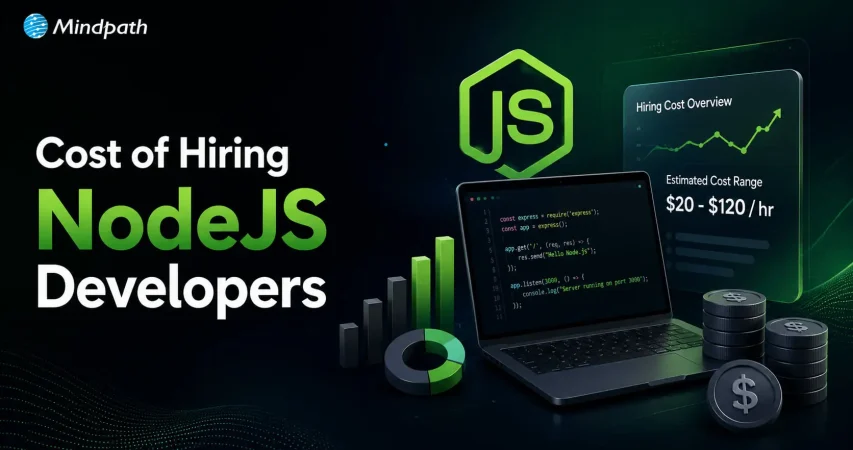
However, one of the most common questions businesses ask is: how much does it cost to hire a Nodejs developer? The answer is not straightforward. The NodeJS developer cost can vary significantly depending on several factors, including experience level, project complexity, hiring model, and geographic location.

Understanding these factors is essential for making informed decisions and optimizing your development budget. This guide provides a clear and practical overview of the cost of hiring nodejs developers and what businesses should consider before making a hiring decision.

Ready to control your development costs without compromising on quality and performance? Mindpath provides professional services where you can hire expert NodeJS developers tailored to your budget and project requirements.

Why Businesses Invest in NodeJS Development?

A lot of people like Node.js since its architecture is event-driven and doesn’t block. It’s perfect for real-time programs like chat rooms, streaming services, and tools for working together because it can handle a lot of requests at once.

Node.js is popular with businesses because it can handle systems that need to grow and perform well. It also speeds up building because developers may use JavaScript on both the front end and the back end.

Node.js is a wonderful solution for enterprises of all sizes who need to make nodejs because of these qualities.

How Much Does It Cost to Hire a NodeJS Developer?

Keep in mind that prices can be very different when you want to know how much it costs to hire a Nodejs developer.

Where you live and how much experience you have will affect how much you make every hour:

  • Junior developers: less expensive, but not as skilled at what they do
  • Mid-level developers: a fair balance of abilities and cost
  • Senior developers: cost more, have more experience, and have been working in the field longer.

Also, where you live in the globe is quite essential. In North America and Western Europe, developers normally charge more than they do in Asia or Eastern Europe.

The price of hiring a Nodejs developer also depends on whether you hire freelancers, developers that work for your company, or a company that handles the work for you.

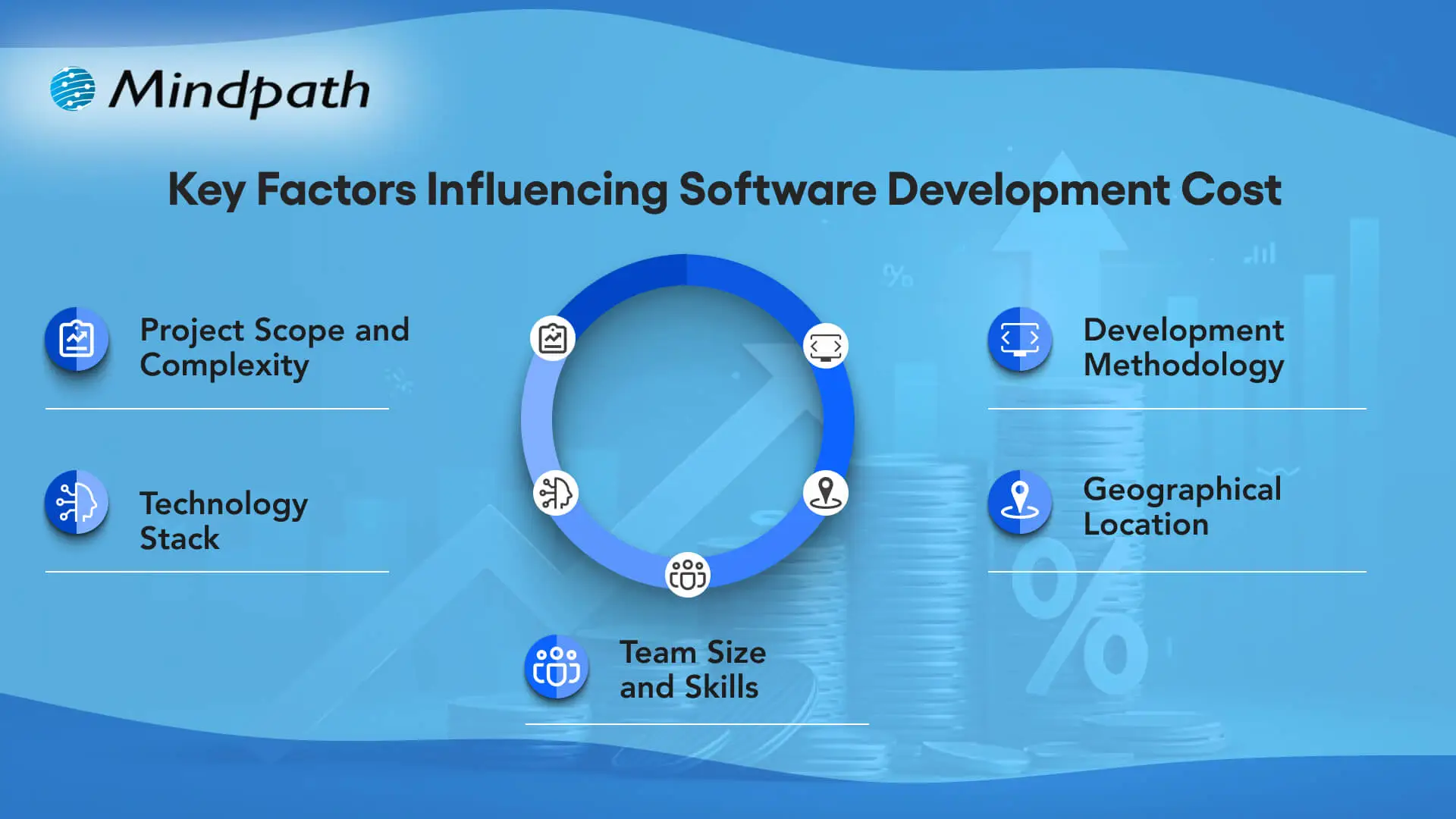
Key Factors That Affect NodeJS Developer Rates

To fully understand how much it costs to recruit Nodejs engineers, we need to look at what makes their prices go higher.

1. Experience Level

More experienced developers charge more since they know how to design programs that are safe and can grow.

2. Project Complexity

You need more experienced developers to make complicated programs that include advanced features like microservices architecture or real-time processing. This costs more.

3. Hiring Model

Prices vary based on how you hire:

  • Freelancers: less expensive and more adaptable
  • Developers who work with the company: more expensive but better control
  • Outsourcing: a fair balance of cost and knowledge

4. Location

Prices for developers vary widely based on their location, and hiring people from other nations is usually less expensive.

5. Technology Stack

If the complete Nodejs project needs more technologies or integrations, it may cost more to build.

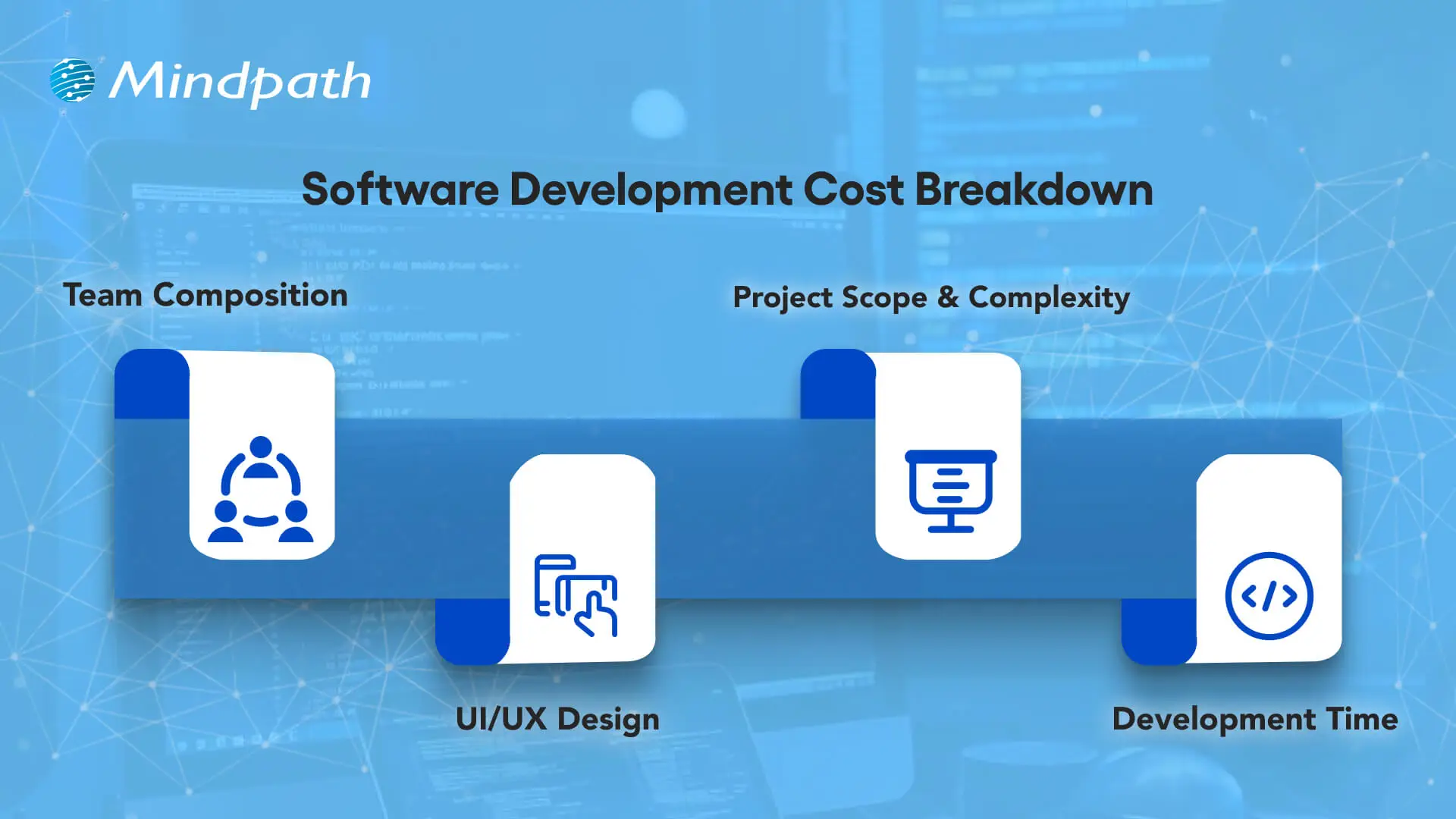
NodeJS Developer Hiring Cost Breakdown

You need to look at the major aspects of the price to find out how much it will cost to hire a NodeJS developer.

1. Development Costs

This covers the cost of writing the code, testing it, and using it.

2. Costs of Infrastructure

Costs for hosting, cloud services, and maintaining servers up to date.

3. Maintenance Costs

There are always new features, bug patches, and speed enhancements.

4. Team Collaboration Costs

The total cost will go up if you need to recruit both frontend and backend engineers.

All of these things add up to the full cost of making a Node.js app.

Hiring Models and Their Cost Impact

Choosing the right way to hire people is highly crucial if you want to keep costs low.

1. Freelancers

Freelancers are great for minor jobs or chores that don’t take long to finish. But they may not be in it for the long haul.

2. In-House Developers

You have greater control when you hire full-time developers, but it costs more because you have to pay for their salaries, benefits, and infrastructure.

3. Outsourcing to a Development Company

If you engage a company that does Nodejs development, you may work with competent teams and follow clear steps. This pick usually strikes a nice balance between price and quality.

Cost vs Value: What Businesses Should Consider?

Companies should think about both the cost and the value of a NodeJS developer when deciding how much to pay them.

At first, hiring cheaper engineers might save you money, but it could lead to problems like poor code quality, delays, and higher maintenance costs. On the other hand, experienced developers may charge more, but they will give you better performance and dependability over time.

The right Node.js development solution will help you get the most for your money.

Hidden Costs to Watch Out For

When companies try to figure out how much it will cost to hire nodejs programmers, they often neglect about expenditures that aren’t obvious.

  • The price of training new workers and getting them up to speed
  • More money for managing and talking to individuals
  • They take longer since they don’t know enough

We had to redo the work because the coding wasn’t good enough.

Finding these fees early will help you plan your money better.

Comparing NodeJS with Other Development Costs

Node.js is often less expensive than other backend technologies because it is easier to build and can handle more users.

It saves money by letting JavaScript be used all over the stack, which means fewer developers are needed. There are also a lot of libraries and tools that make development move faster, which means that items can get out faster.

This is why Node.js is a wonderful choice for making affordable, modern apps.

Future Trends in NodeJS Developer Cost

As more companies employ modern technology, the requirement for Node.js experts will grow. This demand could influence how rates go up or down, especially for people who know a lot about it.

There is a lot of talent all across the world, and people can work from home, which can help keep prices down. This makes it easy for businesses to find cheap answers.

Conclusion

You need to know how much it costs to hire a NodeJS developer in order to make wise hiring decisions. The cost depends on the person’s level of expertise, the difficulty of the job, the sort of work they do, and where they live.

Companies may keep an eye on their money and find out the best approach to hire individuals by looking at what makes the pricing of Nodejs developers go up or down. The most important thing, whether you engage freelancers, specialists in-house, or a company that offers Nodejs development services, is to focus on quality, scalability, and long-term value. Partner with mindpath, a trusted Node.js development company that provides expert solutions to overcome your development challenges.

Hiring the proper people is the most critical thing you can do to get your tasks done on time and grow your business.

FAQs

1. How much does it cost to hire a Nodejs developer?

The cost varies based on experience, location, and project complexity, ranging from lower rates for junior developers to higher rates for senior professionals.

2. What factors affect Nodejs developer rates?

Factors include experience level, project complexity, hiring model, and geographic location.

3. What is included in Nodejs project development cost?

It includes development, infrastructure, maintenance, and collaboration costs.

4. Is outsourcing Nodejs development services cost-effective?

Yes, outsourcing can provide experienced developers at a lower cost compared to in-house hiring.

5. Should I hire frontend developers along with Nodejs developers?

Yes, for full-stack development, hiring frontend developers alongside Nodejs developers ensures better project execution.

Support Is One Click Away

Featured Posts

Related Post

React JS Trends

Are you curious about what’s next for React JS in 2025? With the fast-paced world of web development, it’s essential to stay ahead of the curve. What new features, tools, or practices will shape the future of React JS? In this blog, we will explore the key trends and innovations that will define React JS in 2025. 

ReactJS is a popular tool for developers to create websites and applications. It makes it easier to design interactive and quick user interfaces by breaking down significant web pages into smaller, reusable elements known as components. Think of it as a website building block approach that simplifies and speeds up its construction. ReactJS is changing along with technology. Keeping up with the newest ReactJS trends for 2025 helps developers remain ahead of the competition. Understanding these trends will enable you to employ the finest tools, enhance your abilities, and design more efficient and contemporary websites. Whether you’re a newbie or an experienced developer, knowing what’s coming in ReactJS will help you stay competitive and prepared for the future. 

Let’s delve into the ReactJS trends 2025! 

ReactJS Trends 2025

1. Server-Side Rendering (SSR)

Server-Side Rendering (SSR) is a technique in which the server generates the first version of a webpage and provides it to the browser as HTML. This improves website performance and SEO since search engines can read the pre-rendered material. React JS supports SSR via frameworks like Next.js and Gatsby. These frameworks pre-render pages on the server before providing them to the client, resulting in speedier website load times and a better user experience. SSR decreases load times, particularly on slower connections. Users can see content rapidly due to SSR, which eliminates the need to load all of JavaScript. It also helps to improve search engine rankings because the material is freely available to crawlers. 

2. WebAssembly

WebAssembly is a low-level binary format that runs natively in web browsers, with performance comparable to native programs. It enables web applications to do complicated tasks considerably more quickly, making it perfect for high-performance activities like gaming, video editing, and data processing in the browser. WebAssembly improves React JS performance by offloading expensive calculations, making the app quicker and more responsive. It also enables React to interface with other languages such as Rust, C++, and WebGPU, allowing developers to combine the benefits of various technologies in a single program. As the web advances, WebAssembly is becoming an essential tool for developing high-performance online applications. Its ability to run code rapidly and operate with many technologies makes it a significant trend to watch in 2025 for React JS.  

3. Improved Developer Tools

Better developer tooling is crucial for increasing productivity and enhancing the quality of React JS development. React JS already has strong tools such as React DevTools, Create React App, and React Testing Library, which help developers work quicker and more efficiently. In the future, React JS is intended to provide even more tools and functionalities. One such feature is React Fast Refresh, which allows for hot reloading while maintaining component state, making development more efficient. Another interesting feature is React Profiler, a tool that allows developers to evaluate and optimize the performance of React JS apps, ensuring that they execute smoothly. Furthermore, the React Developer Roadmap will offer advice on learning and mastering React, allowing developers to plan their path with the framework. These tools modifications will ease the development process, allowing developers to create faster, more powerful apps.  

4. Concurrent Mode Features

Concurrent Mode is an upcoming React JS feature that allows many components to render simultaneously without interfering with the main thread or influencing user interaction. This increases the efficiency and responsiveness of React apps, allowing them to function more smoothly and quickly. Concurrent Mode enables React to handle complicated updates more effectively, allowing for additional features such as suspense, which helps manage loading states, transitions, for smoother UI changes, and error boundaries, which give improved error handling. The concurrent option is currently experimental and must be activated manually; however, it is intended to become the default rendering option in future versions of React JS. React apps that employ Concurrent Mode will be able to give a better user experience through quicker and more responsive interfaces.  

5. Focus on Mobile Development

With the increasing popularity of mobile devices, mobile-first development has become important. React JS already enables mobile app development with React Native, which blends React JS and native components to create cross-platform mobile applications. This enables developers to create apps that run on both iOS and Android using a single codebase. Looking ahead, React Native is projected to gain even more strength and complexity. It will continue to leverage React JS’s features, as well as advances in mobile technology, to improve connectivity with native platforms such as SwiftUI, Jetpack Compose, and Expo. These enhancements will accelerate mobile app development and give customers smoother, more native-like experiences. As mobile usage continues to climb, React Native will be essential in helping developers generate high-quality, cross-platform apps.  

ReactJS Development at Mindpath

Our skilled React.js developers at Mindpath have the necessary abilities and expertise to construct contemporary, engaging user interfaces that increase user engagement and satisfaction. Whether you want to create a web application from scratch, upgrade an existing one, or quickly get your product to market, Mindpath is here to help with cost-effective solutions, quick development timeframes, and dependable support. Here’s a review of the services we offer:  

1. ReactJS Front-End Development

We are involved in creating responsive and dynamic user interfaces to improve user experience and interaction with your website.  

 2. React Native App Development

Our team develops cross-platform mobile apps with React Native and gives them the native look and feel across iOS and Android devices.  

3. ReactJS Consulting

We expertly guide you on the usage of ReactJS in your projects so that the development strategy and architecture may be better optimized for the projects.  

4. ReactJS API Integration

We will integrate your ReactJS applications easily with external APIs and connect them seamlessly for smooth data and functionality exchange.  

5. ReactJS Enterprise App Development

We develop scalable and reliable applications that large organizations can use to take up complex requirements with high performance and efficiency.  

6. ReactJS Maintenance & Support

Continuous maintenance and support services that keep your ReactJS applications in motion, fixing any issues fast.  

7. React Web Design

We design engaging and user-friendly web interfaces that provide an impressive user experience through a focus on aesthetics and functionality using ReactJS.  

8. Custom React JS App Development

Build customized ReactJS applications that meet your business requirements, providing personalized solutions to all your needs. 

9. ReactJS Upgradation

Upgrade your existing ReactJS applications to their latest versions, offering you brand new features and improved performance.

10. ReactJS Product Development

We develop innovative products with ReactJS; high quality and performance-driven applications that fulfill your business needs.

11. ReactJS Ecommerce Development

We will build robust, interactive e-commerce platforms using ReactJS to ensure a great online shopping experience.  

12. ReactJS Migration

We help migrate your existing applications to ReactJS while ensuring smooth transitioning and improved performance.  

13. ReactJS Plugin Development

Developing custom plugins for ReactJS that extend functionality and fit in perfectly with other tools and systems.  

14. ReactJS Social Media & Interactive Apps

 Let us help you create engaging social media and interactive applications using ReactJS that improve user interaction and their experiences.  

15. ReactJS Customization Services

We will customize ReactJS components and applications according to your needs and wishes.  

Wrapping Note!

As we approach 2025, React JS is expected to introduce new advancements that will improve both development and user experience. Server-Side Rendering (SSR), WebAssembly, and Concurrent Mode are three key technologies that promise to increase app speed and response time. Mobile-first development using React Native will continue to advance, making it easier to create cross-platform mobile applications. By staying on top of these changes, developers can build speedier, more efficient apps while remaining competitive. Mindpath’s React JS development services are designed to help you fully use these breakthroughs, from front-end development to mobile app production and continuous maintenance. 

Ready to bring your ideas to life with cutting-edge React JS solutions?

Partner with Mindpath for expert development and innovative results.

Discover React JS trends for 2025, including SSR, WebAssembly, etc. to create faster, smarter, and future-ready applications.
AI-driven legacy system modernization

AI-driven legacy system modernization is transforming how businesses approach aging technology. Firms are under increasing pressure to remain competitive and deal with complicated and old systems. Is it possible to make this process smarter with the help of technology? The dilemma is how to balance innovation and stability, and how several are looking at the active reformation of legacy workflow by AI and automation.

The adoption of smart solutions enables organizations to be agile and fast in integrating main systems. They are able to detect bottlenecks, minimize mistakes and streamline processes to a much greater accuracy. This solution triggers the debate of efficiency and future-proofing. In this blog, we will explore how AI and automation can bring the legacy systems up to date. Keep reading further!

Looking to future-proof your legacy applications with AI-driven solutions? Mindpath’s legacy modernization services help organizations upgrade systems efficiently and stay ahead in the digital landscape.

What is AI-Driven Legacy System Modernization?

AI-driven legacy system modernization is the use of artificial intelligence and machine learning to update, translate, and migrate outdated enterprise software into modern, cloud-native environments. It automates key activities such as code refactoring, documentation, and testing while identifying system dependencies and preserving core business logic without requiring high-risk “rip and replace” overhauls. This approach accelerates modernization, reduces errors, and lowers costs, helping organizations transition ageing systems into agile and cloud-ready infrastructure.

The adoption of AI in legacy modernization will allow decisions to be made more intelligently when upgrading the system. Machine learning suggests trends, risks forecasts and provides best optimized solutions. Generative AI can help generate proper code and documentation and minimal disruption. Through AI, organizations can modernize in a shorter time, continue working with the existing systems, and optimize them to grow in the future.

Why AI-Driven Legacy Modernization Matters?

Old systems have been known to slack innovation and amplify risks in operation. These are the advantages of AI and automation in legacy system modernization.

1. Faster Modernization Cycles

AI-driven legacy system modernization speeds up system upgrades by automating repetitive tasks. Organizations accomplish projects in lesser time, downtime is minimized and efficiency enhanced.

2. Cost Reduction

AI maximizes the investment of the resources and reduces errors that reduce the expenses of the modernization. The process of legacy application modernization is predictable and more cost-effective.

3. Improved Accuracy

AI is very accurate in analyzing code and data which minimizes human errors. This makes sure that the updates do not affect business logic and system stability.

4. Enhanced Security

Artificial intelligence-based devices identify threats immediately and indicate vulnerabilities. Companies enhance protection and comply successfully.

5. Scalability and Flexibility

AI allows legacy systems to manage increasing data and traffic. They are unified with modernization based on cloud, IoT, and advanced platforms.

6. Future-Proofing Operations

AI-driven legacy system modernization supports incremental upgrades, extending system lifespan while adapting to evolving technologies. This makes systems up to date and capable of future expansion.

Wondering how to balance AI innovation with a strong modernization plan? Discover the legacy modernization strategy to achieve a more effective transformation.

Role of AI in Legacy System Modernization

AI-driven legacy system modernization is reshaping how organizations update and optimize outdated systems. Here are the roles of AI-driven legacy system modernization in transforming legacy operations efficiently.

role of ai in legacy system modernization

1. Strategic Business Logic Analysis

AI-driven legacy system modernization starts by uncovering hidden business logic. It plots dependencies and decision rules. Modernization becomes smarter and data-driven, and teams are given a clear understanding.

2. Automated Code Refactoring and Optimization

AI rewrites the old code to new cloud-ready codes. Refactoring is faster, fewer errors in the system, and the system itself is much better with generative AI.

3. Intelligent System Mapping with NLP

Natural language processing transforms the complex old code into canned knowledge. Inefficiencies and bottlenecks are promptly found and assist in accelerating modernization.

4. Seamless Legacy-to-Cloud Migration

AI-driven legacy system modernization enables smooth cloud transitions. It also re-architectures code to reflect the current architectures and best practices.

5. Advanced Data Integration and Predictive Maintenance

AI integrates multiple sources of data to allow a smooth integration. Predictive analytics will identify possible problems before they happen and minimize downtime and operational problems.

6. AI-Powered User Experience Enhancement

AI interprets the user behavior in order to streamline interfaces. Chatbots and virtual assistants automate the repetitive field of work making it more engaging and efficient.

7. Real-Time Project Oversight with GenAI

AI offers invaluable real-time insight into the state of modernization. Predictive analytics and automated documentation keep the stakeholders updated and project on schedule.

8. Proactive Risk Mitigation and Quality Assurance

AI reduces the human factor and promotes uniformity. Modernization with structures and low risk can have safety nets that are provided through automated testing and monitoring.

Looking to create a clear path for modernization powered by AI and automation? Check out the legacy modernization roadmap to organize your approach effectively.

Ready to Transform Your Legacy Systems?

AI-driven legacy system modernization empowers businesses to update old systems quickly and accurately. It reduces errors, lowers costs, and improves performance. Companies gain clear insights into business logic and system dependencies, enabling smarter decisions. Modernization also ensures systems stay scalable, secure, and ready to support future growth efficiently.

Mindpath legacy modernization services help organizations implement AI-driven solutions smoothly. Our team analyzes existing systems, refactors code, and enables cloud integration. We provide predictive analytics, risk mitigation, and real-time monitoring. With our services, companies can modernize legacy systems efficiently while preserving core business logic and maintaining operational continuity.

Frequently Asked Questions

Hybrid Cloud Benefits

Imagine a world where businesses can enjoy the flexibility of public cloud services while keeping sensitive data safe in a private environment. Sounds ideal, doesn’t it? That’s the promise of hybrid cloud! But why is it gaining so much attention? What makes it the perfect choice for modern businesses? Let’s dive into the key benefits of this game-changing approach.

Looking to improve cloud performance without adding complexity? At Mindpath, we offer managed cloud services that simplify operations, strengthen security, and support business growth.

What is Hybrid Cloud?

A hybrid cloud is a configuration that combines private and public cloud technologies. It combines private servers in your office or data center with public cloud services from firms such as Google Cloud or Amazon Web Services. This architecture allows enterprises to store and manage their data and apps in the most appropriate location for their purposes. For example, sensitive or vital data can be kept protected in the private cloud, while less crucial operations can be done on the public cloud to save money and enhance speed. Businesses can also shift workloads across various clouds, making it an extremely adaptable and practical option. Hybrid clouds are popular because they provide businesses with the best of both worlds: security and flexibility. They are especially useful during digital transitions, when firms need to change their systems without totally shutting down their existing activities. This strategy enables businesses to work smarter, save money, and expand more effectively.

How Does Hybrid Cloud Work?

A hybrid cloud combines two or more types of cloud environments, such as private data centres and public cloud services, into a single system. This connectivity enables enterprises to effortlessly transfer data and applications across various environments. The hybrid cloud requires robust networking to function properly. This is accomplished via techniques such as local networks (LAN), virtual private networks (VPN), and APIs, which allow smooth communication between the various elements of the cloud. Virtualization and containerization are two common current technologies used in hybrid cloud systems. These solutions simplify resource management and sharing by producing virtual replicas of hardware or software. These resources are also managed using specialized software, which enables organizations to swiftly change or assign them as needed.

Advantages of Hybrid Cloud

1. Better Return on Investment (ROI)

A hybrid cloud enables you to integrate your existing private infrastructure with public cloud services. This allows you to simply extend your computer capacity without having to invest in expensive new hardware or run additional data centers. Instead of investing more in physical servers, you can leverage the public cloud to meet additional storage, computing power, and processing requirements. This technique guarantees you only pay for what you use, which helps to keep prices down. By embracing the public cloud’s flexibility and scalability, you improve your capacity to manage rising workloads while saving money on infrastructure. As a consequence, organizations can enhance their return on investment (ROI) by employing cloud services more efficiently and lowering operating costs. This combination of flexibility and cost savings makes hybrid cloud an excellent solution.

2. Enhanced Speed and Performance

Hybrid cloud solutions enhance performance, particularly for applications that require quick processing and minimal latency. By combining private and public cloud resources, data can be processed closer to end users, saving travel time and resulting in faster response times. This is vital for applications that need real-time processing, such as video streaming, online gaming, and financial transactions. For applications deployed in remote regions or with high performance requirements, a hybrid cloud configuration can guarantee that data is handled quickly by allocating resources to the best location. This can be accomplished by edge computing, which brings processing closer to the user, minimizing latency and improving the user experience. By lowering latency, hybrid cloud enables organizations to provide quicker, more dependable services, hence boosting overall application performance and customer happiness.

3. Accelerated Innovation

Hybrid cloud solutions allow enterprises to use cutting-edge technologies such as AI and machine learning without having to entirely replace or expand their present infrastructure. This makes it easy to implement modern tools and capabilities while minimizing costs and interruption. Businesses can maximize their existing systems while gaining access to the cloud’s scalability and flexibility by combining private and public cloud services. This allows teams to operate more effectively, minimizing the time required to create and deploy new apps. Organizations can bring innovations to market faster by shortening development cycles and responding to customer needs and industry developments in real time. The hybrid cloud method enables firms to explore, create, and deploy apps more quickly, providing a competitive advantage. This mix of technological access and operational flexibility accelerates innovation, allowing businesses to stay competitive in a rapidly changing digital market.

4. Stronger Control Over Applications

A hybrid cloud model provides enterprises with more flexibility over where their applications are hosted and how computing resources are distributed. This flexibility enables businesses to select the optimum environment for each application, ensuring that sensitive data is kept safe and regulatory needs are satisfied. This is particularly significant in regulated businesses. Businesses can enhance their data privacy and control by hosting particular apps in private clouds or on-premises. Simultaneously, less sensitive apps can operate on the public cloud, improving scalability and efficiency. Businesses can leverage hybrid cloud to guarantee that their applications are efficiently managed, reducing risks while still benefiting from the flexibility and cost savings provided by public cloud services. This control enables organizations to achieve privacy requirements and regulatory compliance.

5. Flexible and Efficient Operations

Hybrid cloud computing allows enterprises to pick the environment that best meets their needs. Hybrid solutions, whether in a private or public cloud, enable you to adapt and grow in response to individual requirements. One of the primary advantages of hybrid cloud is the ability to construct apps with containers. Containers make programs portable, allowing them to be seamlessly transferred between public and private clouds. This flexibility enables enterprises to take use of the finest aspects of any cloud environment, therefore improving performance, security, and cost-effectiveness. A hybrid cloud allows you to easily modify your operations to suit changing demands, such as scaling up during peak hours or relocating apps to a more secure environment when necessary. This versatility benefits companies to stay agile, reducing downtime and improving overall operational efficiency.

Cloud Computing Services at Mindpath

We provide a variety of cloud computing services to help your organization function smoothly and efficiently. Whether you need to store data, operate apps, or extend your operations, our cloud solutions offer the flexibility and security you want. We assist you in selecting the best cloud configuration for your organization, whether it’s a private cloud for sensitive data or a public cloud for ease of access and scalability. Our staff guarantees that your cloud environment is optimized for speed, cost-effectiveness, and security, enabling you to focus on developing your business rather than worrying about technology. Mindpath’s cloud computing services allow you to develop quicker, enhance productivity, and take use of the newest cloud technologies to remain ahead of the competition.

Wrapping Note!

Hybrid cloud is transforming businesses by offering a mix of flexibility, security, and scalability. It allows companies to optimize resources, improve performance, and innovate faster, all while ensuring data privacy and compliance. At Mindpath, we provide tailored cloud computing services to help you harness the full potential of hybrid cloud, enabling your business to stay agile and competitive. Let us help you take your business to the next level with the power of hybrid cloud.

Discover the benefits of hybrid cloud for businesses, including improved performance, innovation, and flexibility.