Home

Factors to Consider While Hiring NodeJS Developers in California

Factors to Consider While Hiring NodeJS Developers in California

Lorem ipsum dolor sit amet, consectetur adipiscing elit. Ut elit tellus, luctus nec ullamcorper mattis, pulvinar dapibus leo.

Join our Newsletter!

Recruiting a Node.js developer in California inecessitates a thorough assessment of technical knowledge, soft skills, market trends, and the recruiting process. With the state’s highly competitive technology economy, finding the appropriate personnel requires going beyond coding abilities. A good Node.js engineer should be familiar with backend frameworks, databases, and cloud technologies, as well as possess excellent communication and problem-solving skills. Understanding California’s employment market and creating an efficient recruiting procedure can also help you attract the top applicants. Here are some important aspects to consider when hiring a Node.js developer in California.

1. Technical Proficiency and Experience

When hiring a Node.js developer, make sure they are proficient in JavaScript, asynchronous programming, and Node.js frameworks such as Express.js or Nest.js. Knowledge of databases (MongoDB, PostgreSQL), RESTful APIs, and cloud services (AWS, Azure) is essential for developing scalable apps. Experience with unit testing, CI/CD pipelines, and version control (Git) contributes to a smoother development process. Additionally, match their experience level with the intricacy of your project to obtain the appropriate competence. Reviewing their previous projects and contributions to open-source repositories might help them evaluate their real-world coding abilities.

2. Soft Skills and Team Collaboration

A Node.js developer should be able to communicate effectively, work well in groups, and solve problems. They must work well with front-end developers, designers, and product managers to ensure that the project runs smoothly. Adaptability is also important, as the Node.js environment changes frequently with new upgrades and best practices. Look for applicants that can troubleshoot effectively, think critically, and perform well under deadlines. A developer with great soft skills can easily fit into your team and contribute to a healthy work atmosphere.

3. Understanding California's Market Trend

The California tech business is very competitive, with a growing demand for talented Node.js developers. Salaries vary according to experience, region, and sector, so analyzing market trends and pay packages is essential. Companies in large tech hubs such as San Francisco, Los Angeles, and San Diego frequently provide competitive bonuses to attract top people. Offering remote or hybrid work opportunities might also help your job commercial stand out. Understanding these variables allows you to establish an effective hiring strategy and attract the best developers for your company.

4. Interviewing and Hiring Process

A systematic interview method helps you hire the top Node.js developers. Begin with a technical test, such as coding challenges, whiteboarding activities, or homework projects, to measure their problem-solving abilities. Next, perform behavioral interviews to assess communication skills, collaboration, and flexibility. Reviewing their portfolio and GitHub contributions provides insight into their real-world development experience. Finally, base your compensation, perks, and job expectations on market research. A well-planned recruiting strategy can help you identify the best Node.js talent for your project.

Finding the right Node.js developer can be challenging but Mindpath makes it easy! Our experienced Node.js developers specialize in building scalable, high-performance applications tailored to your business needs. Whether you need backend development, API integration, or cloud-based solutions, we have the expertise to deliver.
Ready to build your next project with top Node.js talent? Partner with Mindpath today and bring your vision to life!

Support Is One Click Away

Featured Posts

Related Post

MVP for startups

Every entrepreneur believes that they have the next big “idea” that could disrupt an industry. The chances of success for your startup depend completely on how you translate that idea into a product that solves the problems of customers. This is where you need to think about the value of MVP of startups and their impact on your growth. 

The MVP or minimum viable product is an important step in building the foundation required to achieve the desired goals for your startup. Without an MVP, you are likely to invest in developing products that may not be successful. Learning about the significance of a minimum viable product can help you identify the reasons to build one for your startup.

Are you a startup struggling to validate your idea before investing heavily? Mindpath offers MVP Development Services to help you test concepts and launch faster with minimal risk.

What is a Minimum Viable Product (MVP)?

Before you dive into the benefits of MVPs, you must understand its definition. The minimum viable product is the simplest version of the product you intend to sell to your customers. It includes only the basic features and helps you check the utility and relevance of the product with the help of feedback from actual users. The growing popularity of MVP development for startups across various industries has led many entrepreneurs to think about its benefits. 

Is a MVP really necessary for your startup? Many startup owners will think that investment in developing a MVP may increase their financial burden. On the other hand, you should think about the consequences of creating a full-fledged product with everything you have and more, only to end up with failure. MVPs can help startups test their ideas without investing all their resources and make necessary improvements before creating final products. 

Top Benefits of MVP Development for Startups

The notion of establishing your own startup might be an exciting one albeit with one big challenge. Did you know that almost 90% of startups fail? Therefore, many entrepreneurs choose MVP development services for startups to increase their chances of surviving the competition. An overview of the benefits of the minimum viable product can explain for why every startup must create one. 

1. Aligning Your Product with the Target Market

One of the foremost reasons for which startups should develop an MVP revolves around ensuring that the final product is suited for the target market. Entrepreneurs should know “what is MVP” and how to use it to find the right market for their product and services. Testing the basic version of the product you want to build with real users gives you access to actual and relevant feedback. 

Your MVP will tell you whether the target market needs your product and how to improve it with useful features. Startups can leverage MVPs to experiment with product design and refine it till they achieve the right product-market fit. The MVP can easily identify whether your product cannot solve a real problem for your target audience in early stages.

2. Developing Products for Your Core Audience

A minimum viable product not only helps you develop products for the market but also for your core audience. The core audience of a startup includes customers who are more likely to buy their products and services and contribute more to their revenue. Any entrepreneur searching for MVP startup meaning must know that creating products that cater to the core audience increases possibilities of success. Tailoring your product for the core audience ensures higher customer satisfaction as they will believe that their needs have been kept in mind while developing the product. 

The MVP offers an opportunity to obtain valuable feedback from the core audience and make product improvement decisions on the basis of actual user experiences. You can not only identify the features that your customers want in a product but also discover relevant market trends. As a result, you can ensure that your product can evolve along with market demands while addressing the needs of your target audience.

3. Introducing Products at a Faster Pace

The next promising reason to look for opportunities to create an MVP is the assurance of faster time to market. Most of the startups struggle to accelerate the time to market due to various constraints. The utility of MVP solutions for startups becomes clearly visible in faster testing of product ideas. If you can identify how your product will solve the pain points of your target audience, then you will gain an early advantage over competitors.

The feedback received for an MVP from actual users help in refining your product by identifying exactly what works the best. Startup owners can avoid assumptions and use insights that help in making informed decisions for improving their products. It provides an ideal tool to reduce unwanted expenses during the development process and streamline your efforts. You can rely on the MVP for building a community of early adopters and their experiences will provide a strong foundation to attract new users.   

Preparing to build software that truly matters, you need a clear and efficient starting point. Explore our blog on MVP in software development to learn how early validation and focused execution can turn your idea into a successful product.

4. Making Your Product More Flexible

Another top reason to hire a MVP development consultant for your startup focuses on creating more responsive products. The dynamic business landscape keeps changing constantly and so do your target audience’s needs. Startups cannot afford to build products that fail to adapt to changing user requirements. Your MVP plays a major role in adapting and refining your product on the basis of user feedback. 

The minimum viable product provides the guarantee that your product can evolve according to changing preferences of your target users. Entrepreneurs can check whether their product is responsive to user-centric updates and enhances customer satisfaction. Product flexibility is a crucial advantage of the MVP approach that offers the assurance of success for your product in the long run.

5. Playing Safe with Your Investment in Product Development

Any startup that begins product development without a MVP is likely to invest everything in creating a full-fledged product. What if the product you have created with almost all of your resources does not meet your customer’s expectations? This is where MVP development can save you from unwanted expenses by helping you scale up investment as your product gains traction. Entrepreneurs can leverage MVPs as a more sustainable approach to product development with financial safety. 

You can start with the basic version that will require minimal development costs and add features according to user feedback. The MVP reduces financial risk by avoiding a full-scale product launch before creating the ‘perfect’ product. On top of it, developing the MVP helps you with strategic allocation of resources. Startup owners can use their MVP to invest gradually in product development as the product design becomes more suitable for success.  

6. Leveraging Short-Term Wins for Long-Term Success

The list of benefits associated with MVPs for any startup would be incomplete without including the short-term wins. The milestones in MVP development for startups not only provide an effective roadmap for product development but also enhance the momentum for your project. Startups can view the successful completion of milestones as a source of motivation for their teams and stakeholders. 

Stakeholders and investors will perceive the short-term wins as the representation of a startup’s capabilities to deliver on their promises. When an investor notices tangible outcomes from the product development process, they are likely to continue supporting your product. Meeting user needs in early stages helps in building a strong user base for your product and guarantees long-term success.

7. Enhancing Precision in Product Development

Most of the explanations for MVP meaning in business emphasize the ways in which it helps in identifying relevant features. The minimum viable product serves as a useful tool to adapt the core features of your product to user expectations. The feedback obtained from real users of MVPs not only helps in identifying core features but also in refining them. 

Startups can focus on features that their target users care the most about and ensure alignment with user needs. The MVP development cost can prove to be a successful investment as it enhances precision in product development. Apart from prioritizing features, your MVP also helps you understand technical complexities in the product. As a result, you can introduce improvements that help your users navigate the complexities with ease.    

Want your MVP to move from concept to reality fast? Check out our blog on hiring full-stack developers for MVP to see what skills and qualities matter most, which leads to successful builds tailored to your needs.

Build a Strong Foundation for Your Startup with MVP Development

The benefits of a minimum viable product for startups offer strong reasons to build one for every startup product idea. Many startups fail to recognize the fact that starting small delivers massive benefits in the long run. When you build MVP for a new product, it helps you develop products that align with the preferences of your target audience. In addition, the MVP proves to be a formidable resource for earning the trust of your stakeholders and investors.

Mindpath is a MVP development company with years of experience in building minimum viable products for startups in different industries. We have guided startup owners through the process of creating their MVPs with our expertise and resources. Our strengths in creating MVPs can spell the difference between success and failure for your startup. Reach out to our consultants and create your MVP now.

Frequently Asked Questions

Are you looking for skilled NodeJS developers in California to build a fast and scalable web application? Do you need experts who can turn your ideas into reality with efficient backend solutions? Whether you’re launching a startup or upgrading an existing system, hiring the right NodeJS developers can make all the difference.

Finding the appropriate NodeJS developers in California is essential for organizations that want to create high-performance, scalable apps. With the growing need for real-time and data-intensive solutions, hiring competent NodeJS developers guarantees smooth backend operations, faster development, and better user experiences. Whether you’re building a powerful web application, an API, or a microservices architecture, having the proper team is essential. California, being a tech hotspot, has access to top NodeJS developers that can assist bring your concept to reality.

Let’s explore how you can find the best talent for your project!

Steps to Hire NodeJS Developers in California

1. Define Your Requirements

Before you begin the hiring process, carefully define your requirements for a Node.js developer. Determine the technological requirements, such as knowledge of JavaScript, Node.js frameworks (Express, Nest.js), databases (MongoDB, PostgreSQL), and cloud services (AWS, Azure). Depending on the intricacy of your project, you might need a junior, mid-level, or senior developer. Also, specify the sort of employment: full-time, contract, or freelance. Setting a budget is also important, as developer prices in California vary depending on experience and competence. A well-documented criteria list guarantees that you attract qualified individuals who meet your company’s demands.

2. Create A Detailed Job Listing

Once you’ve determined your needs, the following step is to write a thorough job description and promote it on appropriate sites. Include important tasks, necessary skills, preferable experience, and information about your organization. Posting on job boards like LinkedIn, Indeed, and Glassdoor, as well as specialized tech recruiting sites like Toptal, Upwork, or Stack Overflow Jobs, boosts your chances of obtaining top talent. If you want to find local talent in California, check into networking events, tech meetings, and development groups. A well-written job posting attracts talented Node.js developers while screening out unqualified applications.

3. Shortlist And Screen Candidates

After receiving submissions, thoroughly analyze resumes and portfolios to narrow down the most potential applicants. Look out for relevant Node.js programming experience, past projects, and industry-specific knowledge. Conduct a first screening via phone or video conversations to evaluate their communication skills, problem-solving strategy, and cultural fit. Examine credentials or other technical skills, such as DevOps understanding, API development, or performance optimization, as needed. Effective screening helps limit the pool of applicants to those that genuinely meet your project demands.

4. Conduct Technical Assessments

To employ a professional Node.js developer, a comprehensive technical examination is required. Begin with coding challenges on sites such as HackerRank, Codility, and LeetCode to assess problem-solving abilities, algorithmic thinking, and code efficiency. Assess their knowledge of asynchronous programming, RESTful APIs, error handling, and database management—all of which are required for Node.js development. In addition to standardized assessments, a live coding session or take-home project can help students analyze their approach to real-world challenges. This might entail creating a basic API, optimizing a database query, or addressing performance concerns. Reviewing their code quality, logic, and debugging abilities can help you establish their level of experience. In addition, evaluate their capacity to work with frameworks such as Express.js and technologies such as Docker or AWS, if applicable. A well-structured technical examination guarantees that you employ a qualified and efficient Node.js developer who can contribute effectively to your project’s success.

5. Conduct An Interview And Finalize The Hire

The final stage in recruiting a Node.js developer is to conduct organized interviews to assess both technical and soft abilities. Begin by addressing their prior projects, familiarity with Node.js frameworks, and problem-solving techniques. Enquire about real-world problems such as managing high-traffic apps, improving API performance, and adopting security best practices. This helps to examine their practical knowledge and ability to operate under pressure. In addition to technical capabilities, assess their communication, cooperation, and adaptability—all of which are required for smooth collaboration. Examine how they manage comments, contribute to debates, and fit within your company’s culture. A candidate that knows agile development, CI/CD pipelines, and cloud technologies can provide significant value. Once you’ve discovered the right developer, negotiate a wage, finalize contract conditions, and talk about job objectives. Ensure a smooth onboarding process by providing project details, necessary tools, and clear communication channels. A well-structured hiring process guarantees the right Node.js talent for your team.

Looking for skilled Node.js developers in California to build high-performance applications? At At Mindpath , we connect you with experienced Node.js experts who can deliver scalable, secure, and efficient solutions tailored to your business needs. Whether you’re developing a web app, API, or enterprise platform, our developers have the expertise to bring your vision to life.

Ready to hire the best Node.js talent in California? Contact Mindpath today and let’s build something great together!

Discover the ultimate guide to hiring Node.js developers in London. Learn about the skills, benefits, and cost factors involved in finding the right talent for your project.
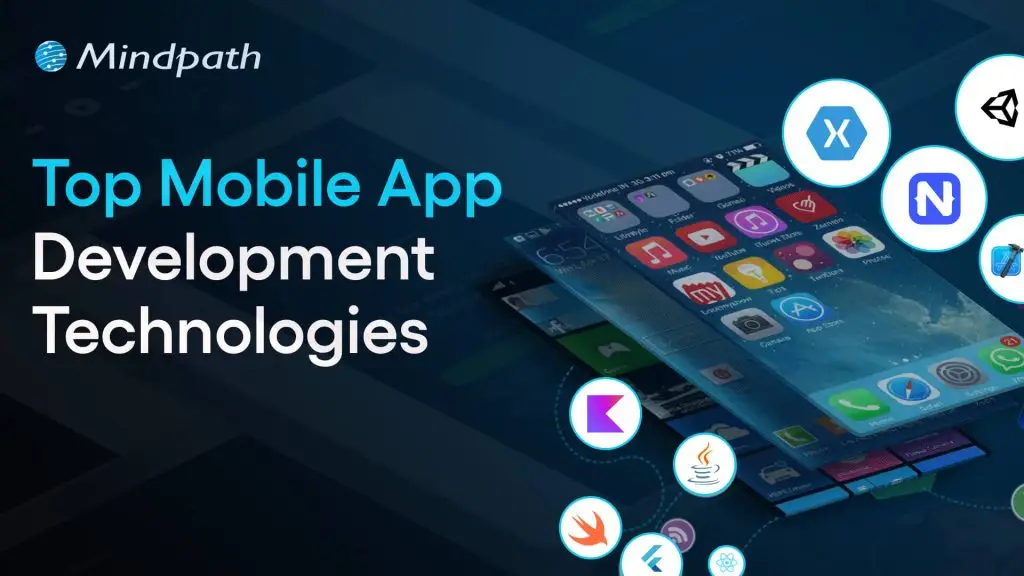
Mobile app development technologies

Mobile app development technologies are important in the fast-paced environment of technology because they define how companies engage with users and keep them engaged. Each swipe, tap, and click is based on technology that is getting faster, smarter, and more interactive. If you’ve ever noticed, some apps feel effortlessly smooth, and others do not. The difference is usually related to the frameworks and platforms chosen for the business objectives and user expectations, and understanding these technologies provides a big advantage over others.

Delving into the newest trends in mobile application development often presents a plethora of choices that can seem confusing. However, choosing the appropriate technology can improve app performance, security, and the overall user experience. Developers routinely test technologies, frameworks, languages, and software solutions to create apps that can more easily rise above the fray. In this blog, we will explore the latest trends and the specific technologies that power the successful mobile app today.

Want to use top mobile app development technologies into a functional app? Mindpath offers mobile app development services, which will turn your imagination into a fully working, high-quality app.

What are Mobile App Development Technologies?

Mobile app development technologies are the programming languages, frameworks, and tools used to design, build, and deploy software applications for smartphones and tablets. These technologies enable developers to create compatible applications that run across platforms such as Android and iOS, while determining core factors like performance, development speed, and overall project budget.

The landscape of mobile development technologies broadly falls into two primary categories: native (platform-specific) tools and cross-platform frameworks, along with supporting backend services. The combination of these tools enables the development of applications that provide rich user experiences, work with cloud services, and utilize the native features provided by the device. Choosing the appropriate technology allows developers to build all of these easily, efficiently, and in a scalable way.

Also Read: AI in Mobile Apps

Top Mobile App Development Technologies in 2026

In order to remain competitive as an app developer, it is important to stay informed about the best technology for mobile app development in 2026. The choice of development tools can positively affect the performance, usability, and scalability of modern applications.

1. Flutter 3.22

Flutter 3.22 is a highly favored mobile app development platform to help developers develop applications for mobile devices, the web, desktop, and embedded devices. It provides high-performance and smooth animations that allow applications to run quickly and feel responsive. Developers also appreciate its professionally designed UI components, making it easy for developers to create stunning and consistent user interfaces.

2. Kotlin Multiplatform Mobile (KMM)

Kotlin Multiplatform Mobile (KMM) is a mobile app development framework that allows developers to share code for Android and iOS apps. It utilizes the modern, efficient programming language Kotlin to simplify the process of creating a mobile app for two platforms at once. This translates into a significant time saving, might help to reduce errors, and assure consistent behavior across your Android and iOS devices.

3. C++

C++ is among the most robust mobile app development technologies currently available for building high-performance applications. It enables developers to take direct control of system resources, which is often favored for complex applications or graphics-intensive applications. Also, by using C++, you can rest assured your apps are running as efficiently as possible, even as they traverse between different platforms.

4. Swift

Swift, a mobile application technology developed by Apple, is for building native iOS applications. It is fast, safe, and reliable, while also allowing seamless integration into AI and machine learning. With Swift, developers can build iPhone and iPad apps that are fast, safe, and modern.

5. AR/VR Integration Tools

AR/VR integration tools are tools for mobile app development that help developers add augmented reality and virtual reality features to an app. Integrating augmented and virtual reality features into apps is a valuable way to engage users while making an experience much more entertaining or immersive. These integrations are extremely popular in gaming and even found in some education and retail apps to enhance user experiences.

Ready to build smart mobile apps, but still wondering how AI can transform your development approach? Discover our blog on the benefits of AI in mobile app development to understand how AI can reshape modern app development.

6. AI-Assisted Development Tools

AI-Assisted Development Tools refer to tools such as GitHub Copilot and Amazon CodeWhisperer that support the automation of coding tasks. They streamline developers’ efforts in application development through code suggestions, error detection, and execution of tests. The upshot is that developers can create apps faster and also more efficiently.

7. React Native

React Native is another top mobile app development technology that enables developers to create apps for both iOS and Android using JavaScript. It provides a native look and feels with one complete codebase, reducing development time and duplication of effort. Companies are drawn to React Native because of its quick development period and strong support from the community.

8. Ionic

Ionic is a hybrid app framework and is a popular option among mobile app development technologies, allowing developers to write cross-platform apps using HTML, CSS, and JavaScript. It allows developers to write one codebase to operate on multiple devices. Ionic is very much favored by developers to create efficient and visually striking apps.

9. NativeScript

NativeScript is a flexible framework that matches the up-to-date trends in mobile application development with the ability to create fully native apps using JavaScript, TypeScript, Angular, or Vue.js. With NativeScript, you have full access to the native APIs offered by the OS, meaning that your application will work and perform like a truly native solution. NativeScript enables developers to build highly efficient and rich-featured mobile applications.

10. Xamarin (.NET MAUI)

Xamarin (.NET MAUI) is a framework aligned with mobile app development trends through the creation of native apps for Android, iOS, Windows, and macOS. While using C# and the .NET ecosystem, developers can share code and have a consistent experience across all platforms. Overall, this reduces development time, and provides high-quality apps.

Want to understand where custom mobile applications are creating real competitive advantages across the market? Discover our blog on the Custom Mobile Application Development Services to uncover high-impact opportunities and emerging trends.

Ready to Build the Next Successful Mobile App?

Mobile app development technologies continue to evolve, offering smarter tools and faster frameworks to help developers create better apps. Choosing the appropriate technology guarantees improved performance, security, and scalability. With the growth of innovation, staying up to date with current tools is critical for a company to provide seamless and engaging mobile experiences.

At Mindpath, we provide expert mobile app development services intended to turn your ideas into strong digital solutions. Our experienced developers create secure, high-performing, and easy-to-use applications by applying modern tools and proven approaches. Partner with us to build an app that empowers your brand and creates long-lasting value for your users.

Frequently Asked Questions