

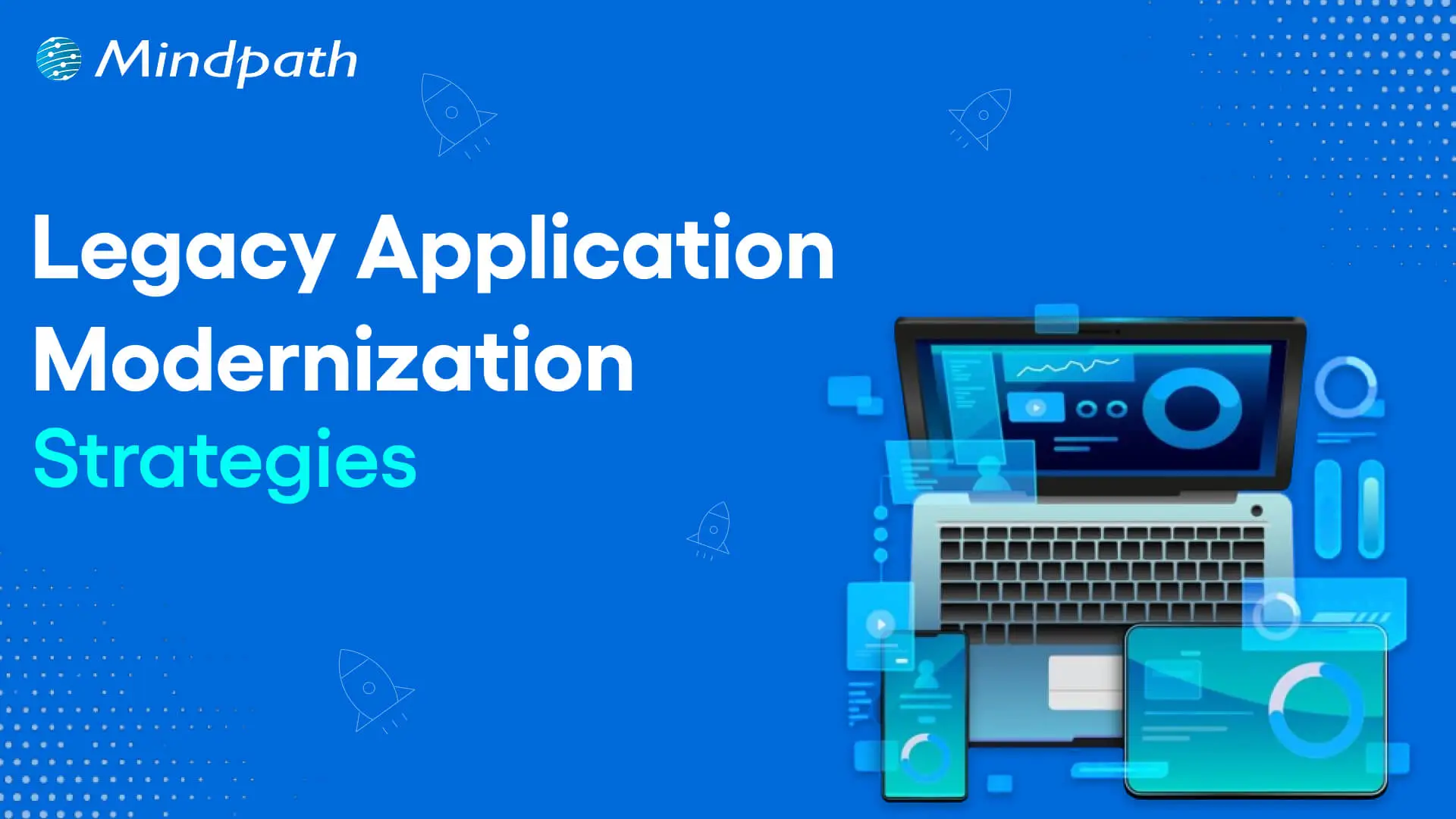


There is need to make radical decisions in order to grow in 2026. Legacy application modernization now sits at the center of every CEO agenda. You are witnessing increasing prices, delayed launches, and systems to block innovation. So, what will you change first? Technology influences the degree, pace and consumer confidence. Consequently, leaders need to think radically about fundamental systems with expediency and conviction.
Nonetheless, the process of modernization is not a fast upgrade. It involves vision, alignment and good implementation. You would need to relate business objectives with contemporary architecture and cloud preparedness. Delay decreases the benefits as competition increases. Clearly, smart CEOs are early adopters and change agents. This blog discusses real-life tactics that help organizations grow in a scalable manner. So, keep reading further!
Want to turn legacy applications into a driver of growth and innovation? Mindpath provides legacy modernization services that help organizations modernize systems and unlock new business opportunities.
Why is Understanding Legacy Application Modernization Strategies Important?
Leaders must understand the right approach before investing in legacy application modernization. An effective plan will minimize risk, cost management, and adjust the technology to business objectives. It makes more intelligent choices, prevents interference, and long-term value. Modernization attempts to accelerate growth but lack guidelines; they tend to slack growth rather than improve it.
The world of business today is a busy environment where it is the speed and flexibility that determine the success of a business. Knowing the strategy behind legacy app modernization helps teams prioritize upgrades, strengthen security, and support innovation. It develops a blueprint to scalable systems, improved customer experience and a sustainable digital growth in competitive markets.
Must Read: AI-driven legacy system modernization
Key Strategies for Legacy Application Modernization
Powerful growth requires a definite course of action. Legacy application modernization strategies help businesses upgrade systems with less risk and better results. A narrow strategy makes the technology work in line with long-term objectives and innovation.
1. Refactor or Rearchitect
This is a method that re-architectures an application. Teams subdivide large systems into small and flexible services. It enhances scalability and is available with AI and real-time data tools. Many legacy modernization strategies recommend this for business-critical platforms. It drives true Legacy system transformation.
2. Rehost
Rehosting relocated applications in the cloud without altering code. It lowers data center expenditure within a short time. Companies achieve improved infrastructure and scalability. Although it does not fix deep design issues, it supports early legacy application modernization goals. It puts the systems into readiness to be improved in the future.
3. Retire
Retiring eliminates non-value-adding applications. Most organizations continue to incur the expense of unused or duplicated systems. Their closure saves on licensing and maintenance. This simple step strengthens application modernization plans. It liberates funds on high impact innovation projects.
4. Replatform
Replatforming transfers applications to the cloud with minor enhancements. Managed cloud services could replace self-managed databases in teams. This enhances performance and saves on operation. It balances cost and benefit during modernization of legacy applications. It eliminates chances of complete reconstructions.
5. Repurchase
Repurchasing involves substituting custom systems with cloud based SaaS products. Companies shift to subscription services run by reliable suppliers. This eliminates internal pressure of maintenance. It guarantees the availability of frequent updates and security patches. It supports faster legacy modernization decisions.
6. Relocate
Relocation takes virtual machines into the cloud without adjustment. It is efficient when implementing data centers of a large scale. Businesses are consistent and fast during migration. This method supports infrastructure goals in legacy application modernization programs. It keeps disruption low.
7. Retain
Retaining is maintaining the application in the existing environment. This is selected when systems continue to provide high returns to companies. It enables IT teams to work on more important upgrades. Not all systems are in need of urgent transformation. Smart legacy application modernization planning includes selective retention.
Want to ensure your modernization efforts follow a clear and structured path? Explore the legacy modernization roadmap to guide every step of your transformation journey.
Steps to Build an Effective Legacy Application Modernization Roadmap
A roadmap makes complicated upgrades into systematic improvement. The correct plan will help make sure legacy app modernization initiatives remain business-focused, budget-wise, and long-term.

1. Evaluate Your Current Applications
Begin by taking a thorough analysis of your current systems. Quality of check codes, performance problems, integrations and infrastructure to identify the latent risks and areas of improvement.
2. Define Clear Business Objectives
Connect the leadership and stakeholders to the importance of modernization. Establish quantifiable objectives to ensure teams know priorities, expected results and schedules prior to technical change.
3. Select the Right Modernization Approach
Select a strategy that suits the business, e.g. rehosting, refactoring or rebuilding. The right choice reduces risk and supports long term legacy application modernization success.
4. Prioritize and Test with a Pilot
Divide the plan into achievable stages. Begin with high impact modules and put a proof of concept to confirm performance, security and scalability enhancements.
5. Execute in Controlled Phases
Move changes in steps so that there is no disruption. A structured rollout ensures stable operations and measurable value throughout the legacy application modernization journey.
Want to understand how updating legacy systems can boost business performance? Discover the benefits of modernizing legacy systems to achieve efficiency and scalable growth.
Ready to Lead Growth with a Clear Modernization Strategy?
Legacy application modernization offers CEOs the freedom to scale comfortably. It lowers the risk, enhances security and optimizes performance of the system. More significantly, it makes technology consistent with long term business objectives. The first mover companies are faster, more nimble and more trusted by their customers. An obvious guide transforms complicated systems into development drivers.
Mindpath is a reputed legacy modernization company who provide legacy modernization services that assists businesses in modernizing key systems in a clear and accurate manner. Our professionals evaluate, develop, and implement policies that facilitate creativity and business prowess. We put emphasis on quantifiable outcomes and value creation. Through Mindpath Legacy modernization services, companies create safe and scalable platforms that can support future developments.
FAQs
1. Why should CEOs prioritize Legacy application modernization in 2026?
Legacy application modernization helps CEOs reduce operational risk and unlock faster innovation. Modern systems support better decision making, improved security, and stronger customer experiences. In competitive markets, outdated platforms slow growth. A clear modernization strategy ensures technology actively drives revenue, efficiency, and long term business stability.
2. How long does a modernization initiative typically take?
Timelines depend on system complexity, business goals, and chosen strategy. Some upgrades take a few months, while large transformations may extend longer. A phased roadmap reduces disruption and delivers value early. Clear planning, executive alignment, and expert guidance help maintain speed and control.
3. What risks should businesses consider before modernization?
Companies should evaluate integration gaps, data migration challenges, security exposure, and internal skill readiness. Poor planning may lead to cost overruns or operational delays. Strong governance, stakeholder alignment, and measurable milestones reduce uncertainty. A structured roadmap ensures smoother execution and predictable outcomes.
4. How do microservices improve scalability in modernization projects?
Microservices break large systems into smaller, independent components. Teams can scale each service based on demand without affecting the entire platform. This structure improves deployment speed, fault isolation, and performance optimization. It also supports cloud environments and advanced integrations such as AI driven analytics tools.
5. How can Mindpath’s legacy modernization services support technical transformation?
Mindpath’s legacy modernization services provide structured assessments, architecture redesign, and cloud migration expertise. Their team builds scalable systems aligned with business objectives. As a trusted technology partner, Mindpath ensures secure execution, phased rollouts, and measurable performance gains across complex enterprise environments.


