Breaking Down Web Development Costs: What You Need to Know

Join our Newsletter!

Featured Posts

Support Is One Click Away

Home

Breaking Down Web Development Costs: What You Need to Know

Web Development Costs

Breaking Down Web Development Costs: What You Need to Know

Ever puzzled over why web development costs vary so much? What exactly drives the price tag of a new website? Are you aware of the key factors that influence these costs and how they affect your budget? In this blog we are going to explore what affects web development costs, unravel the various factors that influence pricing, and provide you with the insights necessary to make strategic financial decisions for your project.  Web development is the process of building and designing websites to ensure that they appear attractive, are easy to use, and perform smoothly. The duties of a web developer extend beyond creating visually appealing websites; they also include optimizing a site’s functionality, such as speed and capacity to accommodate large numbers of users simultaneously. It implies that they work on everything from the style and design to the underlying coding that powers the website. Understanding the whole cost of web development is important for multiple reasons. It helps you create a precise budget, allowing you to know how much you can spend and prevent unexpected spending. Knowing the expenses may help you make intelligent choices about the features and functions to add, ensuring you get the most for your money. Since web development is a continuous process, it also enables you to prepare for upcoming upgrades or enhancements. By understanding the expenses and factors that impact them, you can collaborate more effectively with developers, manage your project more efficiently, and ensure the success of your website.  So, let us dig in deep to know about the factors influencing the cost of web development in detail! 

Factors Influencing Web Developer Hiring Costs

Web Development services at Mindpath

1. Complexity of Project

The complexity of your project significantly influences the cost of hiring web developers. Simple websites, such as personal blogs or small commercial sites, are typically less expensive to build. They require simple functionality and a simplistic design, making them quicker and easier to construct. More complicated projects, such as online stores with various features or specialised web apps, require a higher budget. These projects need complex coding, special design work, and maybe the integration of numerous technologies, all of which add time and effort to developers’ workloads. Understanding the complexity of your project allows you to better manage your budget and guarantee you have the right degree of expertise for your needs. 

2. Level of Experience

The cost of hiring a web developer is heavily influenced by their level of expertise. Junior developers, who are new to the profession, typically charge cheaper fees because they are still building expertise. Senior developers, on the other hand, charge more fees due to their years of expertise and specialized talents. Their skill typically allows them to manage more complicated jobs and provide higher-quality results. So, if you want complex features or a high degree of skill, expect to pay extra for a senior developer. 

3. Type of Model

The cost of web development is also influenced by whether you hire freelancers, in-house teams, or outsourcing companies. Hiring freelancers is often less expensive than taking on a whole in-house staff. Freelancers provide flexibility and reduced prices because they operate independently and have no additional overhead expenditure. Outsourcing, in which you contract with outside companies or teams, can still be less expensive than recruiting an in-house team, but typically more expensive than freelancers. Outsourcing allows companies to have access to specialized talents and resources without the long-term commitment required for in-house recruiting. Each choice has its own economic consequences, so knowing them can help you choose the most cost-effective solution for your project. 

4. Location

Developers in North America and Western Europe typically demand greater fees because of the higher expense of living and market standards in these locations. In contrast, developers in Eastern Europe or Asia frequently offer lower prices due to reduced living costs and differing market conditions. By evaluating the location, you may strike a balance between quality and affordability that fits your budget while still satisfying your project’s requirements. 

Ready to elevate your online presence?

Mindpath delivers exceptional web development tailored to your needs. 

How Much Does Web Development Costs?

Web development prices can range from $1,000 to $145,000, based on project scope, website complexity, and business size. Businesses often spend $1,001 to $10,000 per year on continuous maintenance. Agencies often charge between $1,000 and $5,000 per year for full services, whereas freelancers may charge between $1 and $500 per year to specialize in individual tasks. The overall cost might also represent the specific requirements of each firm, such as interactive features or enormous content. Investing in web development is typically regarded as beneficial, with 82% of organizations reporting satisfaction with their return on investment. 

Web Development Services at Mindpath

Factors Influencing Web Developer Hiring Costs

At Mindpath, we provide Web Development services to assist you establish a strong online presence. We design websites that look amazing on any device and are simple for your visitors to browse. Whether you require a basic website or a complicated web application, we ensure that your site runs smoothly and accurately portrays your brand. Here are some of our services: 

1. Responsive Website Design

We create websites that adapt to any screen size, ensuring they look great and work well on both phones and computers. 

2. Frontend and Backend Development

Our team maintains both the sections of your website that people interact with (frontend) and the underlying mechanisms that allow it to function (backend), resulting in a comprehensive and successful online solution.

3. Content Management Systems (CMS)

We install user-friendly systems that allow you to add, update, and manage your website’s content without difficulty.

4. E-commerce Solutions

We create customized online shopfronts that make it easy for you to exhibit and sell your items or services, giving your consumers a pleasant shopping experience. 

Wrapping Up!

Understanding web development expenses might be difficult, but it is critical for making intelligent choices and managing your budget properly. By considering project complexity, developer experience, recruiting methodology, and location, you can better understand what drives the pricing and how to maximize your investment.  

At Mindpath, we provide high-quality web development services that are personalized to your specific requirements, guaranteeing a seamless and effective online presence. Whether you need a flexible website design or a solid e-commerce solution, our skilled team is here to help you realize your vision while getting the most out of your investment.  

Looking for top-tier web development services?

At Mindpath, we craft stunning, functional websites that align with your goals. 
Related Post

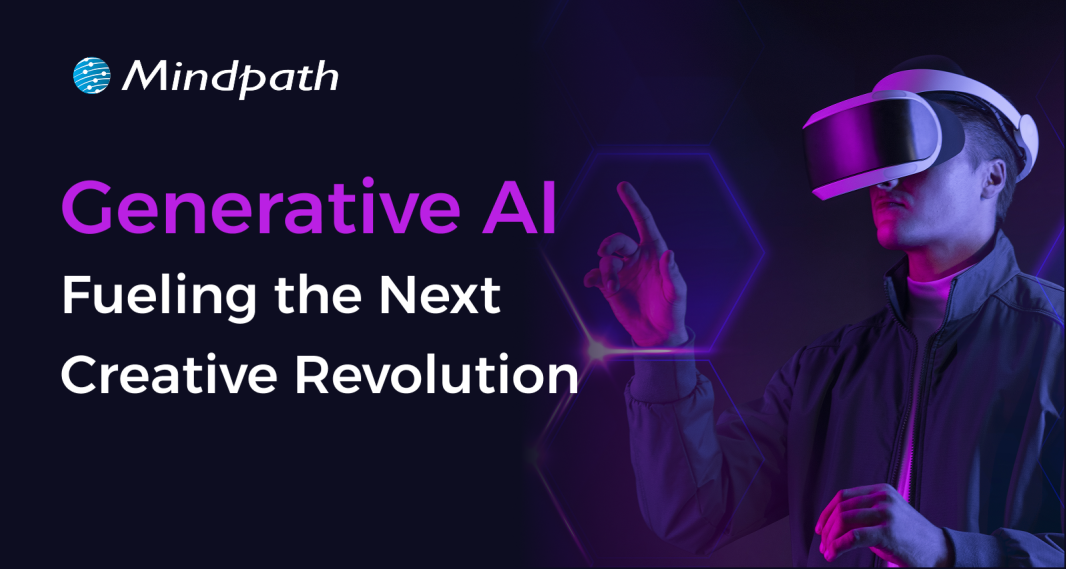
Discover how is generative AI changing creative work by boosting efficiency and making tools more accessible for all creators.

Related Post

mobile app development trends

Every year, new technologies reshape the way we use our mobile phones, and 2026 is no exception. If you are willing to create an app or just curious about the future of mobile technology, then staying updated with the latest mobile app development trends will be considered as a smart choice. These trends are not buzzwords but instead play a role in shaping the way individuals utilize apps, how they are developed by developers and how companies can expand through mobile platforms.

The mobile app world is changing at a quick pace, and 2026 will bring to us some of its most game-changing innovations. From smart AI features to faster and safer user experiences, mobile applications are becoming more effective and helpful in our day-to-day lives. This blog will walk you through the top 10 trends in mobile app development in 2026. 

Want to turn your mobile app idea into a powerful digital solution, but unsure where to start or whom to trust? Mindpath offers expert mobile app development services, building scalable applications tailored to your business needs.

Before learning about the trends, we must have a quick look at the market value of mobile app development: 

Interpreting the Mobile App Development Market Value

According to a study by Allied Market Research, the worldwide mobile app development industry was valued at $195.7 billion in 2023 and is likely to grow to $606.1 billion by 2032. This growth, with a CAGR of 13.1% between 2024 and 2032, is primarily because an increasing number of people are using smartphones and wish to have apps according to their individual requirements.

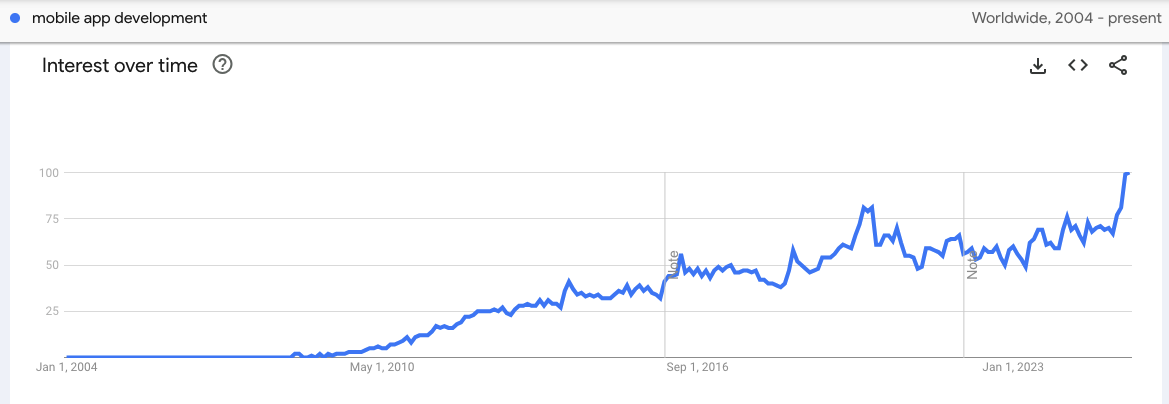
mobile app development google trends
Mobile App Development Google Trends

New technologies are helping to make apps smarter and more useful. More people shopping on phones and working remotely after the pandemic has also made mobile apps more popular around the world. Let’s see what are the latest trends for mobile app development in 2026.

Curious about the latest tools shaping modern mobile app development and how they impact performance and scalability? Read our blog on Mobile App Development Tools to explore the frameworks, platforms, and technologies developers rely on to build powerful apps.

Latest Mobile App Development Trends in 2026

The future of mobile app development is looking brighter than ever, with groundbreaking trends that are set to reshape the way we interact with technology. As we move forward, these emerging trends will drive innovation as well as set new standards for app performance and user experience. Let us take a look at it:  

1. Artificial Intelligence (AI)

Artificial intelligence (AI) in mobile app development is revolutionizing in 2026. With advancements such as Apple’s Core ML 3, developers are now able to more easily incorporate AI into their apps. AI will make apps smarter, enhancing performance and user experience, and will be a driving force in defining the future of mobile applications.  

2. Augmented Reality (AR) and Virtual Reality (VR)

Augmented Reality (AR) and Virtual Reality (VR) will be big trends in mobile app development in 2026. AR is becoming more practical and useful across different industries, while VR is enhancing gaming experiences on mobile devices. Both technologies are helping create more interactive and engaging apps. As these trends grow, we’ll see AR and VR shaping the way users interact with apps in exciting new ways. Based on research by Statista, revenue in the AR & VR market worldwide is projected to reach US$46.6bn in 2026, with an annual growth rate (CAGR 2026-2029) of 7.42%, leading to a projected market volume of US$62.0bn by 2029. 

3. Predictive Analytics

Predictive analytics is transforming how mobile apps work. By using AI and data analysis, apps can now predict what users want or need, offering personalized experiences. In 2026, this technology is widely used to improve app interfaces and user interactions. Apps will offer content and suggestions based on each user’s actions, making them feel more intuitive and relevant. 

4. Cloud Computing Integration

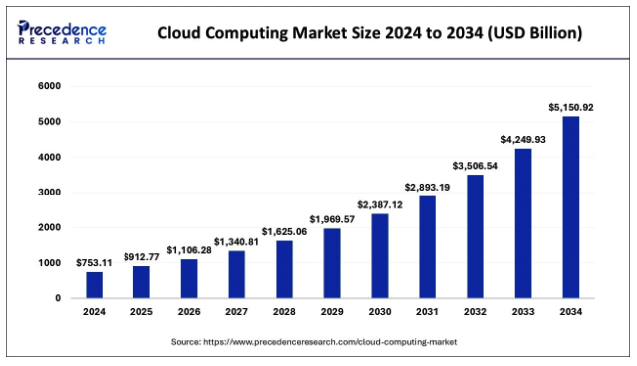
In 2026, cloud computing will become a key trend in mobile app development. It allows apps to store data and perform tasks on the cloud, rather than relying on the user’s device. This will not only improve app performance but also make development more efficient and cost-effective. As cloud technology continues to grow, it will play a major role in shaping mobile app functionality. According to Precedence Research, the global cloud computing market was valued at USD 753.11 billion in 2024 and is projected to grow to approximately USD 5,150.92 billion by 2034, with a CAGR of 21.20% between 2026 and 2034. 

Also Read: Cloud Computing Trends

cloud computing market

5. Chatbots

In 2026, chatbots will see widespread adoption in mobile apps, enhancing customer service and user interactions. Driven by AI, they will provide more natural, human-like responses, improving efficiency and responsiveness. This integration will streamline support processes and elevate the overall app experience, making it faster and more intuitive for users. 

Also Read: Benefits of Chatbots

6. 5G Technology

The rollout of 5G in 2026 will enhance app performance by providing faster speeds and lower latency. This will enable apps to support more advanced features and deliver smoother user experiences. With improved network efficiency, users can expect faster data processing and better overall functionality. The faster connectivity will also open doors for new, innovative app capabilities. 

7. Internet of Things (IoT)

The Internet of Things (IoT) is transforming how we interact with everyday devices, offering more convenience and automation. From controlling home appliances to managing security systems, IoT is becoming integral to modern living. As more devices become interconnected, the potential for smarter homes, workplaces, and healthcare solutions will continue to grow, creating a more seamless and efficient experience for users. 

8. Low-code /No-code Development

Low-code/no-code development is revolutionizing how apps are created by simplifying the process and allowing users with little to no coding experience to build apps. This approach speeds up development significantly, making it easier to create and modify apps quickly. By empowering business stakeholders and non-developers to participate in the process, it ensures the final product better meets user needs and business goals. Based on Statista statistics, the global low-code platform market is expected to reach around 65 billion U.S. dollars by 2027, reflecting its rapidly growing demand. 

9. Mobile App Security

Mobile app security is crucial as more businesses use apps to handle sensitive customer data. Vulnerabilities in apps can expose users to cyberattacks, leading to financial loss, fines, and a damaged reputation. To protect apps, developers must integrate strong security measures such as encryption, multi-factor authentication, and secure coding practices. Regular updates and testing are also essential to maintaining robust security. 

10. Apps for Foldable Devices

Foldable devices are making a strong comeback, with popular models like the Samsung Galaxy Z Fold 5, Huawei Mate X5, and Motorola Razr 40 leading the way. These devices allow users to adjust the screen size, providing both portability and an expanded experience. As their popularity grows, the demand for specialized mobile apps will rise, requiring optimized interfaces that adapt seamlessly as screens fold and unfold. 

Ready to discover how modern mobile apps are built? Explore the latest Mobile App Development Technologies that power innovative and user-friendly applications.

Embrace the Future of Mobile Apps with the Latest Technology and Trends

The future of mobile technology is full of exciting changes. The top trends in mobile development for 2026 show us how fast the industry is moving. From smarter AI to apps for foldable devices, each trend brings new ways to build better user experiences. Staying updated with these trends in mobile development is important for creating apps that are fast, secure, and user-friendly. 

At Mindpath, we specialize in using the latest technology for mobile app development. Our team follows the latest trends in mobile development to deliver apps that are modern, efficient, and built for the future. If you’re looking for a mobile app development company your search ends here. We at Mindpath have a team of professionals with expertise in creating AI-powered apps, apps built for 5G, or solutions optimized for foldable devices, we’re here to turn your idea into a reliable mobile solution. 

AI in healthcare

Can you imagine a scenario of walking into a hospital where doctors are assisted by intelligent machines which can predict diseases, suggest treatments and even monitor your health in real time? Sounds futuristic, doesn’t it? Have you ever pondered how artificial intelligence is transforming the future of healthcare? Well, that’s precisely where AI in healthcare stands out! Interested to know more about this unique combination of AI and healthcare? Let us learn more about it! 

Want to deploy AI solutions that drive smarter medical decisions and improve patient experiences? At Mindpath Tech, we provide healthcare software development services designed to make technology work seamlessly for your organization.

Role of AI in Healthcare

AI in healthcare refers to the use of artificial intelligence to assist doctors and nurses in hospitals and clinics. These programs look at a lot of medical data such as test results and scans and find patterns which can help in detecting health problems of patients early. They can even help in suggesting the best treatments based on each patient’s health history. Not only this, but AI is also used to carry out routine tasks like setting appointments or checking records, so that staffs can get more time to care for patients. 

The benefits of AI are being used in many parts of healthcare. It is helping doctors to read X-rays and scans so that health problems can be spotted earlier. Intelligent robots will assist doctors to perform surgery with ease. AI assists researchers in discovering new drugs at a quicker rate by analyzing vast amounts of information. Even patients can use AI-based apps to monitor their health and receive reminders about taking medications or adhering to treatment regimens. 

According to a Grandview’s Market Research Survey, the worldwide AI in healthcare market was valued at more than 26 billion dollars in 2024, and it’s expanding very quickly. Experts predict that it can expand by as much as 39% annually until 2030. Why? Because more clinics and hospitals want to work faster, make fewer errors, and help patients feel better sooner. 

AI in Healthcare - Market
Source: www.grandviewresearch.com

Benefits of AI in Healthcare

Hospitals nowadays are challenged with providing quicker and improved care with fewer resources. Technologies such as AI are assisting them in doing it more effectively. following are some advantages of AI in Healthcare that is important to know: 

1. Improving Team Coordination

AI for healthcare facilitates easier sharing of critical patient information among doctors and nurses. It consolidates everything into a single place to enable teams to communicate with each other easily and quickly. This translates to quicker decisions, improved treatments, and more efficient teamwork. AI for hospitals enables various departments to communicate with one another, which is crucial during emergencies. When everybody has the proper information at the right moment, patients receive their care on time without confusion or delays. 

2. Better Patient Follow-Up

AI assists hospitals in tracking patients and ensuring that they do not miss any important check-ups. By identifying potential health problems early, AI facilitates doctors to act early and administer the appropriate care. This ensures that patients are treated on time and follow-ups are handled more efficiently. Hospitals can track patients more efficiently with AI, resulting in improved long-term care and healthier patients. AI consulting services can guide hospitals in selecting the right tools and workflows for patient monitoring.

4. Boosting Healthcare Performance

AI in medical field enables healthcare systems to achieve significant objectives, referred to as the quadruple aim. The aims prioritize better patient care, low healthcare expenses, facilitation of medical staff, and enhanced overall health. Thanks to AI, hospitals can individualize care, minimize waiting times, and optimize the entire process. This results in improved patient outcomes, reduced expenses, and a healthier, less stressful medical team.  

5. Turning Data into Actionable Insights

Hospitals can use AI to gather and organize a lot of data from various sources. This enables doctors and nurses to make quick and easy decisions. By making all that information useful, medical teams are able to provide patients with more accurate and timely care. This streamlines the process, eliminates errors, and ensures that patients receive the proper treatment based on current information available. 

6. Improves Patient Outcomes

Patients receive faster and more precise treatment with the use of AI in healthcare. It assists doctors in identifying health issues earlier and making the correct decision on treatment without wasting time. This results in quicker admissions, reduced hospital stays, and improved recovery. Everything goes more smoothly, and patients are more comfortable. By making the care process more efficient, this technology promotes improved health outcomes and allows hospital staff to spend more time in taking care of patients. 

Looking to understand which programming languages are best for developing AI solutions? Explore our blog on AI Programming Languages to gain practical insights to get started.

Let us now look at some of the real-world AI in healthcare examples that show how this technology is being used to improve patient care, speed up diagnosis, and support medical teams in everyday hospital tasks: 

Real World AI in Healthcare Examples

These artificial intelligence examples in healthcare highlight how hospitals are using AI to improve diagnosis, speed up treatment, and support better decisions. Each example shows the positive impact of AI in daily medical practice: 

1. Faster MR Scans

AI accelerates MRI image acquisition, allowing radiology departments to manage more patients more effectively. AI enhances image quality, reduces scanning time, and increases patient comfort, particularly for patients who are anxious or experience pain during the test. 

2. Smarter CT scans 

AI helps ensure patients are correctly positioned for CT scans, reducing errors and improving image quality. It also enhances image reconstruction, supporting better diagnostics while helping radiology teams work more efficiently with consistent and clear results. 

3. Assist in Image Reading for Radiologists

AI assists radiologists by highlighting areas of interest in medical images and supporting segmentation tasks. This allows them to focus on deeper analysis and make quicker, more confident decisions, ultimately improving both workflow and patient care. 

4. Better Teamwork in Cancer Care

AI brings together data from radiology, pathology, genomics, and health records to give a clear view of a patient’s condition. This helps care teams make faster, more informed decisions to guide personalized treatment and improve outcomes. 

5. Guiding Doctors in Surgery

AI helps doctors during minimally invasive procedures by quickly analyzing CT images and sharing results across teams. It supports accurate planning and guidance, helping physicians work more efficiently and make timely decisions for better patient care. 

6. Simplifying Ultrasound Measurements

AI streamlines ultrasound by automating measurements, reducing manual effort and variability. It ensures fast, consistent results, allowing healthcare professionals to focus on clinical judgment while enhancing diagnostic accuracy and improving the experience for both patients and staff. 

7. Remote Cardiac Patient Monitoring

AI-powered analysis of remote ECG recordings enables early detection of heart rhythm disturbances like atrial fibrillation. This allows clinicians to provide faster, more efficient care, enhancing patient outcomes by offering timely and proactive cardiac treatment outside the hospital setting. 

Wondering how healthcare organizations can implement AI effectively and achieve better patient outcomes? Read our blog on the role of AI consultant explains how expert AI consulting can guide healthcare providers in overcoming challenges, and unlocking the full potential of advanced technologies.

Ready to Embrace the Future of Healthcare with AI?

AI is revolutionizing healthcare by simplifying operations, enhancing diagnosis accuracy, and facilitating quicker, more tailored treatment. By automating mundane tasks, AI enables healthcare workers to spend more time on patient care, leading to better overall outcomes. With its ability to process large volumes of data, AI also facilitates proactive interventions, minimizing errors and enhancing efficiency in hospitals globally.  

At Mindpath, we offer healthcare software development services with expertise in using the latest AI technology to develop innovative solutions for medical facilities. Our tailored AI-powered platforms enhance hospital efficiency, provide smooth patient care, and enable medical staff to make informed decisions with ease. Learn how Mindpath can assist in revolutionizing your healthcare practice with innovative solutions designed specifically for you. 

generative AI trends

The technology world is growing at a quicker pace and 2026 is already proving to be a big year for innovation. Among the most discussed advancements, there are some exciting generative AI trends that are transforming how we produce content, design products and engage with digital tools. From smart video production to sophisticated code composition, generative AI is no longer a notion but is actually transforming the way things are reshaping in the real world.

Generative AI is applied across majority of industries today to facilitate work, enhance individual experiences, and assist individuals in generating more innovative ideas. In 2026, we are seeing a quick surge in adoption in healthcare, marketing, education and entertainment fields. Businesses are also embracing these tools to lead in innovation and customer experience. Intriguing, isn’t it?

Are you interested to know about some generative AI trends for 2026? Well, we have got you covered. This blog will walk you through top gen AI trends shaping 2026 and how they’re influencing the future of technology.

Want to integrate generative AI into your workflows for competitive advantage? At Mindpath, our AI Development Services deliver tailored, scalable AI solutions for your business.

Demystifying Generative AI: The Next-Gen Innovation

Generative AI is an intelligent technology that has the ability to assist in the development of new contents, images, videos or even computer code. It learns from what already exists and then applies what it has learned to create something new. For companies, this means they can utilize AI to create content, create products, or even assist with customers’ questions. It’s similar to having a super useful assistant who always learns and becomes proficient at various tasks. 

Generative AI is assisting companies in so many easy and intelligent ways. It saves time by performing daily tasks such as writing, designing, or responding to messages. So, teams can concentrate on more important things. It also assists organizations in making quicker decisions by getting data interpreted quickly. Customers receive better and more personalized service, which makes them satisfied. Additionally, it helps in creating new ideas and saving costs by doing work faster. Since the market is expanding very quickly, a Statista study approximates that generative AI will reach approximately $66.89 billion in 2026 and increase to $442.07 billion by 2031, demonstrating the growing importance of GenAI for business in driving efficiency, innovation, and customer engagement.

Also Read: Top AI Trends 

Now let us have a look at the generative AI trends for 2026:

Top Generative AI Trends to Look for in 2026

GenAI trends are progressing rapidly in 2026, revolutionizing the way we work and innovate. These trends are enhancing tools to be smarter, quicker, and more useful. Here are the leading GenAI trends that are shaping the future this year: 

1. Hyper-Personalization with GenAI

One of the key current trends in artificial intelligence is hyper-personalization. GenAI helps create content and messages that match each person’s unique needs and interests. It looks at large amounts of data to understand what someone likes, then gives them a more personal and meaningful experience. This makes communication more effective and helps build stronger connections. Hyper-personalization is becoming more important for better results, improved engagement, and customer satisfaction across many different industries. 

2. Multimodal Generative AI

AI is now getting better at understanding many types of information at once, like pictures, text, speech, and even video. This is called multimodal AI. For example, some tools can turn spoken words into text or show pictures based on what you write. New models like GPT-4V and LLaVa are making this possible. They help people talk to AI in smarter ways, using both words and visuals. This makes AI more useful and helpful in many different tasks. 

3. Conversational AI

Conversational AI is getting much better at having real conversations with people. Thanks to new tools like GPT, it can understand what you say, remember past chats, and reply in a way that feels natural. It’s like talking to someone who really listens and gives helpful answers. In 2026, this kind of AI can handle longer and more detailed chats, making it great for customer support, virtual helpers, and more. It feels less like a robot and more like a real helper. 

4. AI-Powered Apps and Services

One of the top ai industry trends is how apps and services are becoming much smarter by adding AI features. These AI-powered tools help people do their work faster and in a more personalized way. For example, writing apps learn your unique style to suggest better words and ideas, while health apps can offer treatment advice based on your personal health data. Shopping apps can recommend products you might like. In 2026, many industries use AI inside their software to make experiences easier, smarter, and more helpful for users every day. 

If you’re planning to integrate generative AI into your business strategy. Check out generative AI use cases to learn how companies are leveraging this technology to boost innovation and gain a competitive edge.

5. AI Boosting Creativity

AI is making creativity easier and more exciting for everyone. Tools like Dall-E can turn simple ideas into pictures, music, animations, and sounds, helping artists and creators bring their visions to life quickly. These AI tools keep getting better, allowing people to explore new ways to create art and express themselves. This technology is changing how creative work happens, giving both professionals and hobbyists fresh opportunities to make unique and interesting content in many different fields. 

6. AI Helping in Scientific Research

Generative AI predictions show that AI is making big changes in scientific research. It helps by quickly summarizing long and complex research papers, especially in medicine and pharma. This means researchers can understand important information faster without reading everything. These AI tools save time and make it easier to find key facts, helping scientists work better and faster. This leads to smarter decisions and faster progress in creating new treatments and improving healthcare for patients. 

7. Open Source and Generative AI

Open source is playing a big role in the growth of generative AI. It lets many people from different places work together to improve AI tools and make them better. This teamwork helps find and fix problems faster while making sure AI is fair and trustworthy. Open-source projects also share knowledge and resources, making AI development more open and honest. According to the McKinsey generative AI report, companies that see AI as key to their success are over 40% more likely to use open-source AI tools. In the tech industry, 72% of companies use open-source AI models, showing how important this approach is for advancing AI. 

8. Human in the Generative AI Loop

In 2026, a growing trend is people working closely with AI, called Human-in-the-Loop. This means humans help guide and check AI to make sure it follows rules and fits real-life needs. This teamwork makes AI results more accurate and reliable. By combining human skills with AI’s power, companies can get smart and creative results while keeping control over what the AI produces. This helps AI work better for many different uses. 

Looking to leverage generative AI for smarter, more adaptive app solutions? Explore our blog on Generative AI in App Development highlights practical applications, transformative benefits, and strategies to stay ahead in the digital landscape.

Ready to Embrace GenAI Trends for 2026?

The generative AI trends of 2026 are already changing how we create, communicate, and solve problems. From boosting creativity to transforming research and business services, these trends are making technology smarter and more helpful than ever. As industries keep exploring AI’s possibilities, it’s clear that generative AI will keep shaping the future in exciting and meaningful ways. 

If you’re looking to stay ahead in this fast-changing landscape, Mindpath’s GenAI solutions are here to help. Our expert team builds powerful and easy-to-use AI development services tailored to your business needs. Whether it’s integrating generative AI tools or developing custom applications, Mindpath ensures you get innovative, ethical, and result-driven AI experiences that truly make a difference.