Home

How Much Does It Cost to Hire ReactJS Developers in New York?

How Much Does It Cost to Hire ReactJS Developers in New York?

Lorem ipsum dolor sit amet, consectetur adipiscing elit. Ut elit tellus, luctus nec ullamcorper mattis, pulvinar dapibus leo.

Join our Newsletter!

ReactJS Developer Hiring Costs in New York
Hiring a ReactJS developers in New York involves several pricing considerations, including expertise level, project complexity, and engagement approach. The cost of employing a freelancer, in-house developer, or outsourcing to an agency varies greatly. Understanding these aspects allows you to efficiently manage your budget and select the best staff for your project. Here’s an overview of the major factors that determine the cost of hiring ReactJS developers in New York.

1. Experience Level

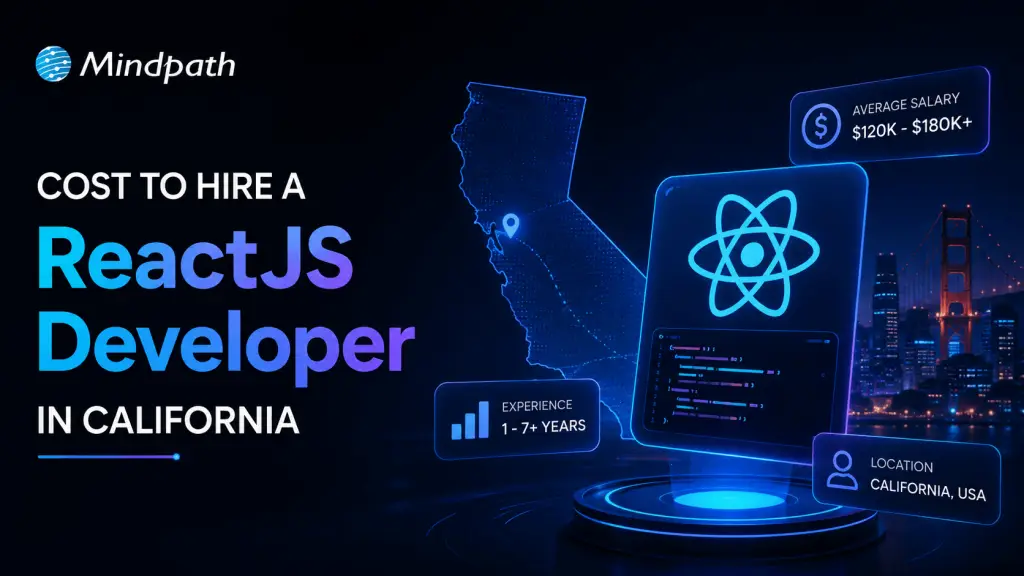
The cost of hiring a ReactJS developer in New York varies according to their expertise level. Entry-level developers often charge between $60 and $80 per hour, making them an excellent alternative for modest tasks. Mid-level developers, with greater hands-on expertise, charge between $80 and $120 per hour. Senior developers, who have substantial experience with React and complicated application development, may charge between $120 and $180 an hour. While senior developers are paid more, they deliver high-quality, scalable, and optimized solutions that save time and money in the long term. Choosing the appropriate expertise level is determined by your project’s objectives and budget.

2. Engagement Model

The engagement model you choose affects the price of hiring a ReactJS developer in New York. Freelancers charge between $50 to $120 per hour, providing flexibility but less consistency for long-term work. In-house developers make $90,000 to $150,000 per year, offering specialized assistance but incurring additional expenses like perks and office space. Agencies charge $100 to $200 per hour and provide a team of professionals for end-to-end development. Each model has advantages and disadvantages, so firms should evaluate project duration, complexity, and money before making a selection.

3. Project Complexity

The complexity of your ReactJS project has a direct influence on development expenses. Simple applications, such as basic web pages, cost between $5,000 and $15,000. Medium-complexity projects, such as bespoke dashboards or eCommerce websites, cost between $20,000 and $50,000. Highly complicated programs, such as business software or AI-powered platforms, might cost more than $100,000 owing to additional functionality, API interfaces, and security needs. More sophisticated projects necessitate developers with greater skill, raising expenses. Identifying your project’s complexity allows you to budget more wisely while also hiring the proper ReactJS talent for a scalable and efficient solution.

4. Location and Market Demand

The location and market demand in New York have a substantial impact on recruiting expenses. As a tech hub, New York has a strong demand for ReactJS engineers, resulting in higher wage expectations. Local developers often make $90,000 to $150,000 per year in-house, or $100 to $200 per hour as top freelancers and agencies. To cut expenses, several organizations are exploring recruiting remote workers from Eastern Europe or Latin America, where competent engineers are more affordable. While local developers make cooperation simpler, employing experienced remote workers can be a cost-effective choice without sacrificing quality.

Looking for expert ReactJS developers in New York? Mindpath, offers top-tier talent for your project, whether you need freelancers, in-house experts, or a full development team. We deliver cost-effective, high-quality solutions tailored to your needs. Let’s build something great together!

Contact us today

Support Is One Click Away

Featured Posts

Related Post

hiring reactjs developers

The fast-paced growth of the digital landscape has not only empowered businesses but also made them think about their online presence. Companies have been hiring ReactJS developers to capitalize on the diverse capabilities of ReactJS for creating robust user interfaces. The notable features of ReactJS include the virtual DOM, a thriving ecosystem, and modular architecture. Let us find out the important factors you must keep in mind while hiring React developers.

Want to hire ReactJS expert for your next project? Discover how Mindpath’s ReactJS development services will help you achieve your specific business goals.

What Should You Keep in Mind While Hiring ReactJS Developers?

The search for expert ReactJS developers has gained momentum as a response to more businesses turning towards online platforms. However, business owners might experience some trouble in hiring React developer as they will find it difficult to understand coding nuances and technical jargon. At the same time, finding the best React developer who can also be a cultural fit is a huge challenge.

Hiring managers must also go through a massive talent pool of React developers to find the top expert for their next web project. On top of it, employers have to look for more than just technical skills in React developers to create successful web projects. The following checklist can help you hire the best ReactJS developers for your web projects.

1. Specify the Project Requirements

One of the foremost factors to consider when hiring ReactJS developers is the outline of project requirements. You should know your project scope and complexity level to identify the ideal React developer who would align with your project vision. The project requirements should not be limited to defining the type of project, but also the timeline, desired features, budget, and complexity.

With a clear impression of these aspects of your project, you can determine the skills and experience required from candidates. For instance, you will need a junior developer for smaller tasks and a senior developer for leading initiatives to scale up web projects.

2. Never Compromise with Technical Fluency

The easiest solution to challenges in hiring expert ReactJS developers involves focusing on the technical skills of applicants. You need developers who know more than the fundamental concepts of React and have various crucial technical skills. Candidates must have strong understanding of JavaScript features such as arrow functions, closures and destructuring.

Applicants for React developer jobs should also have in-depth understanding of the important concepts in ReactJS. Some of the important React concepts include React Hooks, component lifecycle methods, virtual DOM and reconciliation. People applying for ReactJS developer jobs must also know how to work with state management libraries such as Redux.

The other crucial technical skills in a checklist for hiring ReactJS developer include fluency in HTML and CSS, version control with Git and API integration. Aspiring React developer must also know how to work with testing frameworks, build tools and package managers like NPM. Another prominent technical skill that React developers must have is performance optimization.

Want to keep your large React app fast and responsive as it scales? Discover the best practices for optimizing React performance for large applications.

3. Optimizing the Interview Process

The effectiveness of your hiring process depends a lot on the quality of the interview. If the resume serves as an advertisement, then the interview helps you test the product. Employers should divide the interview process into different stages to evaluate the distinct competencies of applicants. The best practices for hiring ReactJS developers suggest that the interview must include technical assessment, portfolio review, live coding session and behavioral interview. Each stage in the interview process will help you measure the overall proficiency of candidates rather than focusing on specific areas of expertise.

The technical assessment should have coding challenges to test the problem-solving skills and coding style of applicants. You can find out whether they use efficient algorithms, data structures and React concepts in their code. Hiring managers should choose live coding sessions in interviews for senior React developer roles. The portfolio review involves checking for active contributions of candidates on GitHub and their past projects. Employers can use the portfolio review to find out whether the applicant has problem-solving skills.

The technical assessment and portfolio review must be accompanied with behavioral interview questions. The best react developer hiring tips point out that behavioral interview questions can help you learn more about the developer. For example, you can find out how they approach complex issues, their preferred development workflow and their preferences for collaboration. The behavioral interview will help you understand the capabilities of a React developer applicant on a more personal level.

4. Don’t Forget the Soft Skills

Among the many factors that you should keep in mind while hiring React developers, the list of soft skills will never lose its significance. As a matter of fact, soft skills like communication, adaptability, problem-solving and collaboration are essential requirements for almost every job. Why are soft skills important for ReactJS developers? Soft skills serve as the catalyst for transforming a group of individuals into a powerful team.

Most of the guides on how to hire ReactJS developers also focus on other soft skills such as attention to detail, proactivity and accountability. React developers need attention to every detail of the UI development process as it can help in crafting robust and engaging user experiences. On top of it, proactivity implies that the candidate will be always ready to take initiative. At the same time, accountability can ensure that the developers take responsibility for all their actions.

5. Determine Realistic Compensation

The most crucial highlight in the hiring process is the cost of hiring ReactJS developers. Hiring managers must offer a compensation package that fits perfectly with the role and responsibilities of the developer. For example, junior developers can earn between $70,000 and $90,000 while senior developers can earn more than $150,000.

The ideal way to make sure that the candidates feel that the compensation is right involves a clear job description and smooth onboarding process. Tell the developers what they have to do on the job to make them understand why they are being paid a specific amount. In addition, try to include programs for continuous learning and growth of developers.

Looking for specialists who can handle complex front-end challenges in your business? Learn why partnering with an expert React Development Company is a smart move.

Looking to Hire a ReactJS Developer Who Truly Understands Your Business Goals?

The answers to “What are the key things to consider before hiring a ReactJS developer?” focus specifically on project requirements, technical skills, soft skills and the interview process. On top of it, determining the ideal compensation for ReactJS developers is also an important concern in the hiring process.

Do you need professional ReactJS development services for your next web application? At Mindpath Tech, we have the best developers who can handle all your frontend development needs. Our team of proficient ReactJS developers has the experience of working on multiple projects. We not only offer the assurance of efficient web development but also resourceful solutions to optimize your digital presence. Join us and work with top-tier ReactJS talent on your revolutionary web app right now.

Frequently Asked Questions

1. What are the key factors to consider when hiring ReactJS developers for the first time?

Start with absolute clarity on project scope, complexity, and timeline before evaluating any candidates. These three elements directly determine the experience level, technical skills, and compensation range required. Businesses that define requirements precisely before posting job listings consistently attract more relevant applicants and complete the hiring process significantly faster.

2. How much technical depth should a ReactJS developer realistically demonstrate during interviews?

Beyond basic React fundamentals, strong candidates should demonstrate confident knowledge of Hooks, state management libraries, virtual DOM behavior, and performance optimization techniques. The ability to explain technical decisions clearly, not just write correct code, separates genuinely experienced developers from those who have simply memorized common interview answers without deeper understanding.

3. How does a portfolio review differ from a technical assessment during ReactJS hiring?

A technical assessment tests current coding ability under structured conditions. A portfolio review reveals consistency, project diversity, code quality over time, and real-world problem-solving patterns. GitHub contributions add another layer by showing collaborative habits and open-source engagement. Together, both evaluation methods provide a far more complete picture than either approach alone.

4. Why do so many ReactJS hiring processes fail despite attracting strong technical candidates?

Usually because soft skills are evaluated too casually or skipped entirely. Technically strong developers who struggle with communication, accountability, or collaboration consistently create team friction and project delays. Behavioral interviews designed to assess real working style and cultural alignment are just as critical as any coding challenge during the evaluation process.

5. What compensation package actually attracts quality ReactJS developers in a competitive market?

Competitive salary is only part of the equation. Developers also value clear growth pathways, continuous learning opportunities, and transparent role expectations. Junior developers typically expect between $70,000 and $90,000 annually, while senior talent commands above $150,000. Pairing fair compensation with a well-structured onboarding experience significantly improves both acceptance rates and long-term retention.

Hiring ReactJS developers? Explore essential factors like experience, skills, and project requirements to ensure a successful collaboration.
Recruiting a Node.js developer in California inecessitates a thorough assessment of technical knowledge, soft skills, market trends, and the recruiting process. With the state’s highly competitive technology economy, finding the appropriate personnel requires going beyond coding abilities. A good Node.js engineer should be familiar with backend frameworks, databases, and cloud technologies, as well as possess excellent communication and problem-solving skills. Understanding California’s employment market and creating an efficient recruiting procedure can also help you attract the top applicants. Here are some important aspects to consider when hiring a Node.js developer in California.

1. Technical Proficiency and Experience

When hiring a Node.js developer, make sure they are proficient in JavaScript, asynchronous programming, and Node.js frameworks such as Express.js or Nest.js. Knowledge of databases (MongoDB, PostgreSQL), RESTful APIs, and cloud services (AWS, Azure) is essential for developing scalable apps. Experience with unit testing, CI/CD pipelines, and version control (Git) contributes to a smoother development process. Additionally, match their experience level with the intricacy of your project to obtain the appropriate competence. Reviewing their previous projects and contributions to open-source repositories might help them evaluate their real-world coding abilities.

2. Soft Skills and Team Collaboration

A Node.js developer should be able to communicate effectively, work well in groups, and solve problems. They must work well with front-end developers, designers, and product managers to ensure that the project runs smoothly. Adaptability is also important, as the Node.js environment changes frequently with new upgrades and best practices. Look for applicants that can troubleshoot effectively, think critically, and perform well under deadlines. A developer with great soft skills can easily fit into your team and contribute to a healthy work atmosphere.

3. Understanding California's Market Trend

The California tech business is very competitive, with a growing demand for talented Node.js developers. Salaries vary according to experience, region, and sector, so analyzing market trends and pay packages is essential. Companies in large tech hubs such as San Francisco, Los Angeles, and San Diego frequently provide competitive bonuses to attract top people. Offering remote or hybrid work opportunities might also help your job commercial stand out. Understanding these variables allows you to establish an effective hiring strategy and attract the best developers for your company.

4. Interviewing and Hiring Process

A systematic interview method helps you hire the top Node.js developers. Begin with a technical test, such as coding challenges, whiteboarding activities, or homework projects, to measure their problem-solving abilities. Next, perform behavioral interviews to assess communication skills, collaboration, and flexibility. Reviewing their portfolio and GitHub contributions provides insight into their real-world development experience. Finally, base your compensation, perks, and job expectations on market research. A well-planned recruiting strategy can help you identify the best Node.js talent for your project.

Finding the right Node.js developer can be challenging but Mindpath makes it easy! Our experienced Node.js developers specialize in building scalable, high-performance applications tailored to your business needs. Whether you need backend development, API integration, or cloud-based solutions, we have the expertise to deliver.
Ready to build your next project with top Node.js talent? Partner with Mindpath today and bring your vision to life!

Discover the ultimate guide to hiring Node.js developers in London. Learn about the skills, benefits, and cost factors involved in finding the right talent for your project.
Web design trends

In 2026, website design is all about going beyond the conventional approach. Web designers are now exploring more options, embracing a combination of user-centric, authentic, and bold web design trends. Well, the goal is to craft a website that is not just beautiful, but also interactive, human-centric, and memorable. 

As technology advances and expectations of users evolve, staying ahead of new trends in web design is crucial for businesses to stand out. Whether you are optimizing your local business site or creating a new one, these top web design trends in 2026 will surely trigger ideas and enhance your digital experience. Keep reading to explore some leading web design trends that are set to define modern websites with Mindpath. 

If you are looking to implement these latest modern web design trends in your business, you require expertise. Mindpath offers web development service that helps you stay ahead of your competitors and deliver a website tailored to your business needs by turning your ideas into reality.

Focus On Smart Design For A Smarter Web

In 2026, web design will no longer be a choice between personality and performance. It will be a combination of both. Designers are leveraging design systems and frameworks that offer super-fast load times without affecting brand storytelling and visual impact. 

This shift has created a new era where creative expression and technical precision go hand in hand. Websites are getting smarter, emotionally resonant and leaner, resulting in a digital experience where design creates a lasting impression and functionality drives engagement. 

Wondering who can bring these design trends to life? Discover our website design company blog to see how the right team can turn trends into impactful websites.

Let’s talk about the trends that businesses need to focus on to achieve designs that deliver. 

21 Web Design Trends to Consider in 2026

Trends in web design are driven by advanced technologies and a desire to develop sites that are highly functional, interactive, memorable, and have elements to showcase a brand’s identity authentically. From sustainable designs to hyper-personalized interfaces, here are 21 web design trends to consider. 

1. Expressive Fonts and Maximalist Typography

Typography is a major visual element in every website. Businesses can expect to see layered, bold, and oversized text that will be the centerpiece of a web page. Besides, web designers are now creating playful, custom typefaces along with high-contrast pairings for a powerful statement. 

2. Micro Animations/ Interactions

Small details can make a huge impact. Micro interactions can help reinforce actions and guide users. For example, button ripples, hover effects, form feedback, or loading indicators. These are subtle yet powerful and can enhance the overall user experience.  

3. Experimental Navigation

Are you still using dropdown and hamburger menu designs? Well, it’s time to take a break. 2026’s trending web designs focus on scroll-as-navigation, gesture-based, and radial navigation styles, increasing engagement. 

4. Brutalist Designs with Some Modern Twists

A reaction template-driven, overly polished designs, brutalism is back, but with a modern twist. This modern style features unpolished, raw elements, bold typography, subtle animations, and pops of color. This design can be an ideal way to add a unique attitude and authenticity to websites. 

5. Illustration-led Web Design

This is gaining popularity among web designers in 2026 for conceptual clarity, quick load times, as well as brand originality. Utilizing illustrations offers a visually engaging alternative to heavy images, making them an excellent choice for service-based websites. 

6. Immersive Scrolling

Most websites are now becoming cinematic due to the integration of scroll-triggered animations. As users move down pages, elements zoom or fade in, crafting a narrative-like or dynamic user journey. With this, you can make a simple scrolling into an immersive experience. 

7. Dark Mode and Custom Palettes

Dark mode has become a standard design, but designers are tweaking it to add more effects. You can now see custom dark mode and palettes that utilize rich grays along with muted tones, offering a more branded and sophisticated experience while reducing strain on the eyes. 

8. Monochromatic Design

It is a simple yet powerful visual approach that utilizes a single base color and its different tones, tints, and shades throughout websites. Such designs emphasize cohesion, elegance, and simplicity. The distraction factors will be less as it creates a unified aesthetic. 

9. Hyper-Personalized Interfaces

Inclusion of machine learning and AI in web design has enabled a new level of customization. Websites will adapt their layout and content to every user, providing them with dynamic content and tailored recommendations based on their browsing history.   

10. Sustainable Web Design Trends

In 2026, the focus will be more on developing environmentally-friendly websites. While designing and developing websites, developers would prioritize eco-friendly hosting providers, accessibility, and streamlined code. These things help lower carbon emissions related to the internet. 

Curious how AI is transforming modern web experiences? Explore our AI in Web Development blog to learn how smart features enhance usability and performance.

11. Sci-Fi Gaming and Futuristic UI Aesthetics

Website interfaces inspired by sci-fi films and games are getting popular.  How about HUD-style overlays, neon glows, glitchy transitions, etc.? These designs can create high-tech and bold digital experiences. 

12. Bento Grid Layouts

Influenced by the elegance of the Japanese bento box, this design utilizes a modular grid of boxes. These layouts offer an efficient and clean way to organize information in a structured way. These website layout ideas are an ideal option for complex content websites and portfolios. 

13. Neumorphism Web Design Trends

It combines flat and skeuomorphism design using minimal contrast and soft shadows for a monochromatic and clean look. It suits web apps but requires proper handling of UX to avoid usability problems. 

14. Power of White Space in Web Design

Emphasizing negative space in a web design can enhance focus and clarity by balancing content with open, clean areas. Strategic use of typography and spacing boosts readability, creates an intuitive experience, and guides user attention. You can consider Apple.com as an example. 

15. Custom Mouse and Cursors Interactions

Custom cursors can play a major role in branding. Designers use them to instill interactive flair and personality, with responsive shapes, sparkly trails, brand logos, and more. It may look simple, but it works well in making a website look unique. 

16. 3D Elements

Another popular modern web design that can make your site look stunning is the use of 3D elements. From interactive product demonstrations to full-screen 3D backgrounds, these elements add realism and depth, making your site more immersive and captivating. 

17. Smart and Dynamic Videos

Videos on websites are becoming ambient design elements. They are generally looped seamlessly, silent, and optimized for faster performance. By using videos on homepages, you can make the website engaging without reducing the site’s speed. 

18. Gamified Designs

When talking about 2026’s web design trends, we can’t ignore these designs. These designs add game-like elements to websites, like challenges, rewards, or points, enticing visitors to spend more time on websites. 

19. Combining Photos with Graphical Elements

Web designers are getting creative by combining photography with beautiful graphical overlays. For instance, elements like arrows, doodles, or collage elements can add a unique layer of creativity. 

20. Detailed Footers in Web Design Trends

Enhanced footers are now redefining web design and development trends. A footer has evolved from a basic contact section into a content-rich, dynamic section, playing a crucial role in brand storytelling. Check out the website of 360gardalife for inspiration. 

21. Collage-Like Scrapbook Layouts

These layouts create an asymmetrical, layered, and handcrafted feel. These designs mimic a scrapbook with text and images scattered in a compelling way. With it, you can add an artistic, human touch while avoiding those rigid grid systems. 

Planning a new web application for your business? Discover our Web App Development Roadmap blog to understand each stage and avoid common pitfalls.

Top Modern Website Design Examples

Are you searching for the best web design inspiration? Well, here are some modern website design examples you should check out. 

1. Stripe

Utilizes minimal UI, geometric shapes, and interactive visuals to craft a conversion-focused and sleek website.

2. Apple

The design combines 3D product previews, cinematic storytelling, seamless transitions, etc., for better user engagement. 

3. Spotify

Combines animated CTAs, dark mode, and bold colors to provide users with an immersive and personalized music discovery platform.

4. Mantis Pro

A perfect combination of high-contrast visuals, bold fonts and amazing layouts while emphasizing speed and performance. 

5. Datel

Includes layers, visuals, scroll animations, and modern typography that clearly highlight the brand’s product innovation and tech-forward approach. 

6. Velux

The design has interactive sliders, soft gradients, and natural imagery that help the brand support its vision, i.e., promoting sustainability.

These cool website designs clearly showcase how their functionality and design can be combined to craft memorable user experiences. 

Looking to make your website more engaging and user-friendly? Read about UI/UX Design Trends to learn what design elements boost interaction and retention.

Website Design Trends- More Innovations in the Future

Whether you are creating a new website or planning to revamp the existing one, here are some future-forward website design trends that you should consider. 

1. Voice User Interface

Voice search and commands integration streamline navigation and offer users hands-free browsing, enhancing accessibility.

2. AI-Powered Design

Various AI tools personalize content, optimize UX, and automate layouts, making a website faster, and smarter.  

3. IoT

Websites connected with smart devices can offer real-time data, personalized automation and remote-control features. 

4. Accessibility-First Design

Focus on inclusive designs to ensure easy access for every user, including people with disabilities, through keyboard navigation, alt text, and readable fonts. 

5. Minimalistic Design

The best web design utilizes strategic whitespace, focused content, and a clean layout to enhance readability, mobile performance while reducing load time

6. Integration of Blockchain

This will ensure enhanced security and transparency for identity verification and transactions on modern websites. 

7. 3D Visuals

3D elements add visual depth, interactivity, and realism, especially for immersive storytelling and product showcases. 

Apart from these web design trends, collaboration between developers and designers is vital. This will help you ensure that your new website is not just visually great, but also secure, high-performing and stable. 

Looking for the right team to bring your web ideas to life? Read our Website Development Company blog to see what to look for before hiring.

Create Web Designs that Move your Business Forward

The future of web design is an exciting combination of purpose, interactivity, sustainability, and authenticity. By incorporating these 21 web design trends 2026, businesses can craft a website that will not just look incredible, but also create an effective and engaging experience. 

For businesses looking to translate trending website designs into a visually appealing and high-performing website, partnering with an expert is crucial. This is where they can count on Mindpath. We offer web development services that integrate advanced technologies, a customer-centric approach, bespoke web design solutions, and follows the latest web development trends to create websites that every business needs. Let us craft digital experiences for businesses that engage, inspire, as well as convert.