Implementing AI: Transforming Your Business with Smart Solutions

Join our Newsletter!

Featured Posts

Support Is One Click Away

Home

Implementing AI: Transforming Your Business with Smart Solutions

AI implementation

Implementing AI: Transforming Your Business with Smart Solutions

Have you ever wondered how companies such as Amazon or Google come to decisions quickly and easily, and how they use technology to simplify complex tasks? The answer lies in Artificial Intelligence (AI). But how can you harness this powerful technology to transform your own business? In this blog we will explore the implementation of Artificial Intelligence which can be the solution for you. So, let us dive in! 

What is AI Implementation?   

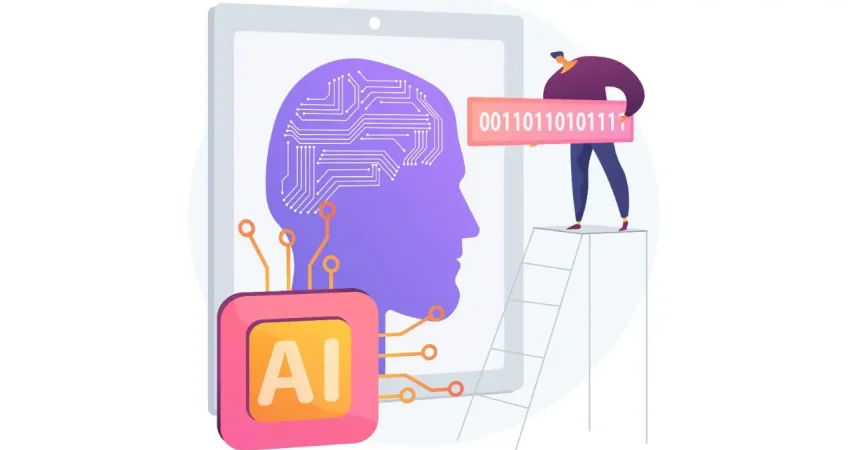
AI implementation makes use of smart technology in making your business function better. It simply embeds AI tools into your daily activities to make them easier and more efficient. This could be anything from responding to customer inquiries to analyzing massive data or even predicting what the next possible sale to a given customer would be. Basically, this is meant to save time and improve customer service and think smarter. This way, your business will be able to grow and make your goals a reality very fast due to working smarter, not harder.  Artificial Intelligence is important in today’s world because it makes life and working procedures easy. It helps organizations in automating tasks, analyzing data, and making speedy decisions. AI improves healthcare by supporting doctors in the diagnoses of diseases and improves the customer experience within retail shops through the personalization of shopping activities. As technology grows, AI becomes even more vital in helping us innovate and stay competitive. 

AI Implementation Strategy    

1. Data Type   

If you really want to start leveraging the power of AI properly, then it becomes quite important to use the right model for your data type. Use models that treat pictures well for image data, those that understand the language for text, and those that track changes over time for time-based information such as stock prices. Using the appropriate AI model according to your data makes it work better and gives you more accurate results. 

2. Problem Complexity   

Keep in mind how complex your problem will be when using AI. Easy problems likely can be satisfactorily solved with some pre-trained model that has been set up for common issues. For more unique or complex problems, you will want an AI tailor-made for your requirements. Matching an AI model with your problem’s complexity enables much better results and effective solutions. 

3. Labeled Data  

Deep learning requires a lot of labeled data—information that has been tagged with correct answers. Check whether you have enough labeled data for the project to be executed; otherwise, you can use techniques such as transfer learning, where you get a model that is already trained on similar data. In that case, you can still have good results with limited labeled data. 

4. Managing Computational Resources  

While using AI, do not forget to think about what kind of computing power you have. Big models, like GPT-3, really eat through resources—of course, not all companies will have these resources. Therefore, ensure that your infrastructure can sustain the computing burden for the kind of AI model you intend to use. This way, it will align the needs of the model with your computing means, thus implementing both smoothly and effectively. 

5. Interpretability  

Consider the interpretability at which you need to understand how your AI model works. In domains like healthcare or finance—where models must explain their decisions to be compliant and build trust—choose AI models that are transparent enough to interpret and justify their outputs. 

Step For Successful AI Implementation   

1. Set Clear Goals and Objectives  

Clearly define what you want to achieve before implementing AI in business. Be specific on the problems that must be solved, the gains to be achieved, improve customer satisfaction, or boost productivity. Knowing the target will help in choosing the correct tools and technologies of AI for you. 

2. Find the Best Data Sources  

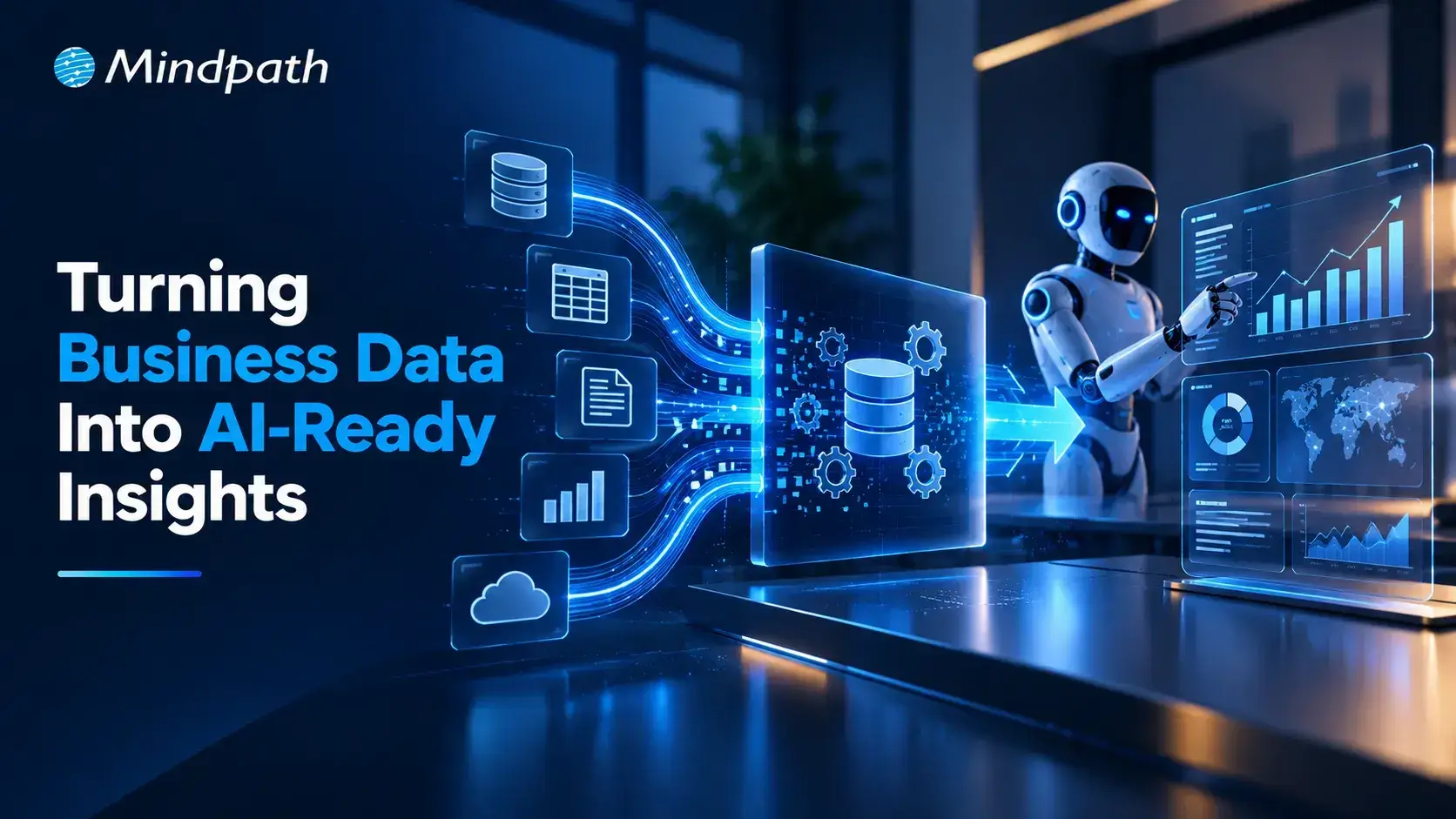
AI’s ability to work correctly depends on the use of relevant data sources. This can involve using either internally generated data, like customer information or financial information, or even external sources such as social media and news feeds. Ensure that data used is relevant, accurate, and up to date. 

3. Pick the Right AI Tools  

With the plethora of tools in artificial intelligence at your fingertips, select only those that work for your business. These could be machine learning, language processing, or even analytic tools. Consider things like cost, scalability, and usability in finding the right fit for your business. 

4. Create a Solid Data Plan  

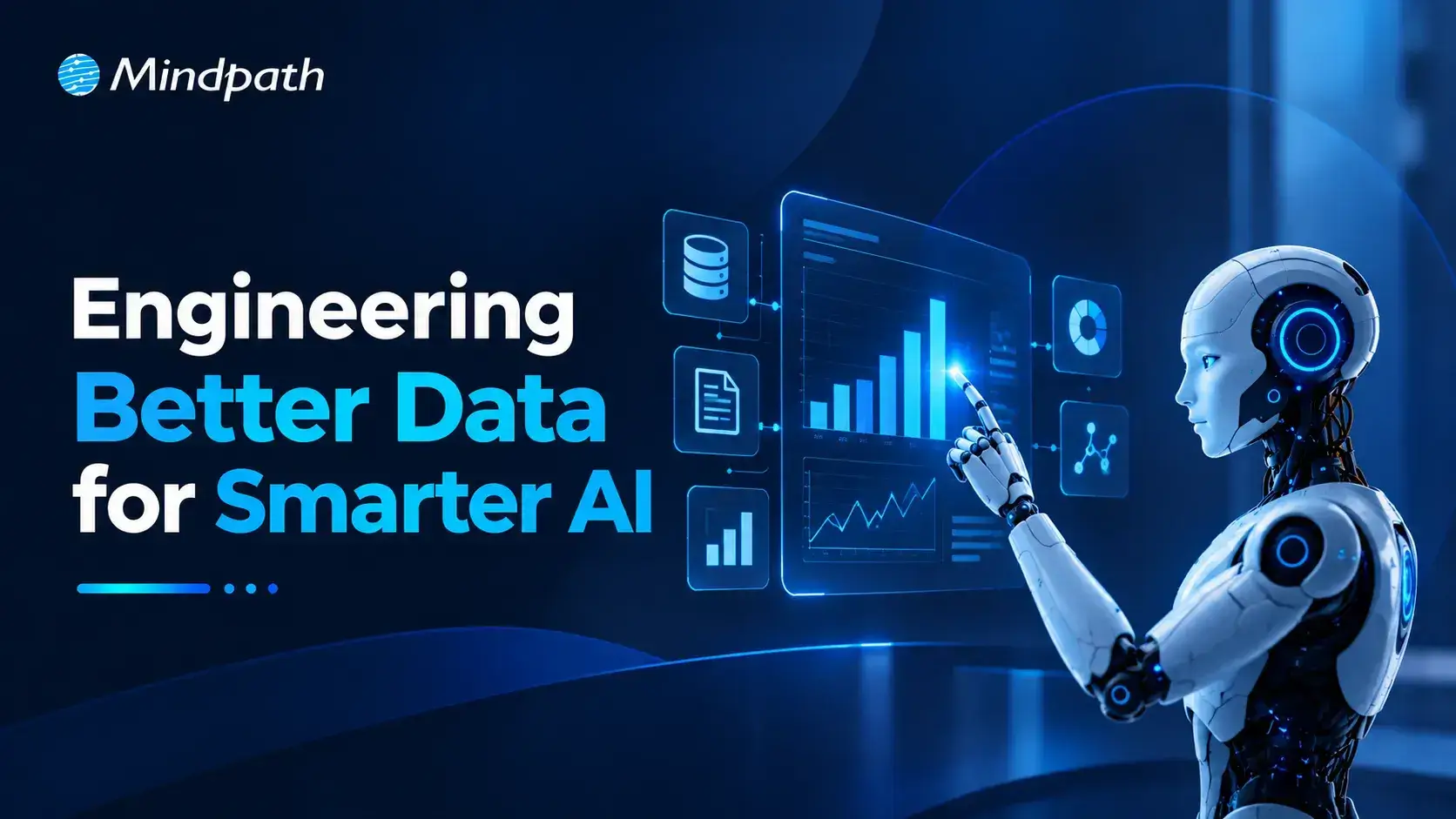
AI systems require enormous amounts of data to perform well. Build a robust data plan indicating how you will collect, store, process, and analyze your data. This includes setting up data management policies, ensuring the security and privacy of your data, and architecting a data system that works for your AI needs. 

5. Invest in Training and Skill Development  

An AI business can only succeed past the tools if equipped with the right people for the job. Invest in training and education for workers so that they develop appropriate skills for working with AI. The upskilling may entail learning more about data science, machine learning, or other skills that are relevant in AI. This will equip your team to effectively use the AI system to maximize its benefits. 

6. Start with Small Projects and Expand  

AI implementations can be very complex and time-consuming. Start small, engage in doable tasks that will yield some sense of how AI works for you in business. Test it in only one area or department of your business. From the experience and confidence, you will build from these first projects, over time, you can spread AI to other areas of your business. 

7. Monitor and Adjust 

Once your AI system is in place, monitor its performance. Key metrics should be observed, which include accuracy, speed, and efficiency. Monitor user feedback and adjust your AI algorithms or data strategy accordingly. Regular adjustments help ensure that your AI will continue working effectively for you.

Ready to take your business to the next level with AI?

At Mindpath, we offer cutting-edge AI development services designed to enhance efficiency and drive innovation.

AI Development Services at Mindpath    

Enrich your business with cutting-edge AI development services at Mindpath. We deal in predictive analytics, helping you foresee future trends and make decisions in advance. Machine learning applications will let you create automated decision-making for the enhancement of operational efficiency in your business. Additionally, data-driven insights are delivered to let your business understand and act upon the data appropriately. Our Business Intelligence services turn raw data into insightful visualizations and comprehensive reports so that you have a view of the performance of your business from a bird’s eye perspective. You could, therefore, make informed decisions that would drive strategic planning and make processes optimized with data-driven intelligence.  We also offer conversational AI services in developing smart chatbots and virtual assistants that increase engagement, provide real-time support, and automate tasks to create a seamless, highly personalized experience for users. At Mindpath, our AI development services are designed to innovate efficiency in your business to make it thrive in the rapidly changing digital landscape. 

Conclusion 

Artificial Intelligence offers transformative power to any business that can innovate and adapt. It aids in understanding and implementation of artificial intelligence at each level of your journey—from defining clear goals and selecting the right tools for your job through managing data—so that you unlock new levels of efficiency and insight. The AI development services offered at Mindpath will help you harness this power by turning complex data into actionable intelligence and automating processes for fueling growth. Embrace the future of technology with AI and see your business not only competing but leading in today’s dynamic market. 

Want to see how AI can revolutionize your business?

Mindpath’s expert team is here to help you leverage advanced AI technologies for smarter decision-making and greater success.
Related Post

Discover the ultimate guide to hiring Node.js developers in London. Learn about the skills, benefits, and cost factors involved in finding the right talent for your project.
Discover how is generative AI changing creative work by boosting efficiency and making tools more accessible for all creators.

Related Post

Staff Augmentation or Managed Services

Are you trying to figure out whether staff augmentation or managed services is the best fit for your business? Both options offer unique advantages but choosing the right one can be tricky. Want to know how each could impact your team and goals? In this blog, we will explore the difference between staff augmentation and managed services and help you make the best decision. So, let’s dig in! 

What is Staff Augmentation?

Staff Augmentation refers to the process by which companies hire highly skilled workers on a temporary basis to complement their workforce on information technology-based projects. This model gives businesses an avenue through which to outsource extra talents as and when necessary while still staying in control of the team and the projects. Compared to project outsourcing, whereby a company hires another business to handle an entire project, staff augmentation involves the hiring of individual experts to work with the in-house team on projects. This approach is particularly helpful for businesses with projects that change frequently, thus enabling them to adapt quickly to various needs by hiring temporary experts. Staff augmentation provides flexibility in that a business can manage its temporary workers directly while meeting the demands of the projects efficiently. 

Benefits of Staff Augmentation

1. Bridging Workforce Gaps

IT staff augmentation has multiple benefits, mainly when there are gaps that need to be filled within the team because of more or different skills. More talent can be tapped where and when required. If your IT staff is lacking in some skill or needs more numbers to invest productively for a mission, then this augmentation will let you scale super-fast by engaging the right talent on prioritized missions. Depending on what you require in terms of high productivity, advanced tech professionals from all over the world can be added to your in-house team. You get resources, hence flexibility, to work on all projects.  

2. Cost Effective

Staff augmentation in IT is a cost-effective model that helps an organization save money in the long term. Instead of hiring full-time workers, which is expensive, this model provides the opportunity to bring in temporary workers to meet your specific needs. You will only pay for exactly what skills and resources you require with staff augmentation, for as long as you need them. It means that you can still have better control over your budget but have the expertise at your service to help in the completion of projects.  

3. Saving Time

IT Staff augmentation can save time for the business because it eliminates the process of developing job postings and interviewing, together with the so-called paperwork that occurs while hiring full-time staff. The time a required or needed position may take to be filled in is particularly faster through staff augmentation, and this can quickly let your team fill in those gaps with highly skilled personnel. This lets your business heads get involved in other critical activities rather than wasting their time recruiting, and thus, your company can adapt rapidly to project needs or changing market demands.  

4. Control Over Staff

IT staff augmentation gives you full control over your current team, which is one of the major benefits associated with IT staff augmentation. Unlike project outsourcing, whereby you turn over work to a third party, staff augmentation allows you to choose temporary professionals to work directly with your staff in-house. You can determine who runs the project and what the priorities are. Apart from this, staff augmentation will help you evade geographical problems. With outsourcing, you might end up dealing with teams in different time zones or areas, which may be a pain. 

5. Flexibility and Scalability

Staff augmentation allows firms to easily manage IT projects as their needs change. It enables businesses to swiftly add or remove team members based on the necessity at the moment. For example, if a project requires additional talents, they may bring in specialists for a short amount of time, and if production slows, they can adjust by cutting the team size. This flexibility enables businesses to keep projects on pace, minimize expenses, and hire the right personnel when they need it, without long-term commitments. 

What are Managed Services?

Managed services are when a firm contracts another company, known as a managed services provider (MSP), to complete specific tasks or projects. Businesses can outsource activities such as cybersecurity, software development, data management, and IT support to these professionals rather than hiring in-house workers. The managed services provider operates independently and does not join the company’s staff. They provide a plan with costs and deadlines, and if approved, they handle the task while communicating with the customer frequently. This technique saves organizations money on employing and managing people, allowing them to focus on other vital business duties while the MSP performs the outsourced job. 

Benefits of Managed Services

1. Scalability

Managed services enable businesses to expand and develop without paying the high expenses of employing and training new IT experts. Managed service providers (MSPs) manage everything, so you don’t have to worry about hiring new employees, paying for training, or purchasing a lot of new equipment. They can easily grow or modify your systems as needed, allowing your organisation to remain flexible and adaptable. Furthermore, MSPs handle all the details, letting your staff focus on more critical duties without feeling overwhelmed. 

2. Low Cost

Managed services can help reduce expenses and make IT more predictable. Instead of dealing with unplanned expenditures such as repair and new equipment, you pay a certain amount monthly or annually. This way, you’ll know precisely what to expect within your budget. Managed service providers (MSPs) incorporate maintenance and repairs in their services, eliminating the need to pay extra for items that may cost thousands of dollars. This helps to keep your business expenditures regular and eliminates surprises, making it easier to manage your budget. 

3. Reliability

Managed service providers (MSPs) are more than simply IT assistants; they are vital business partners. They establish a solid, continuous connection with your firm, serving as a link between your staff and technology providers. MSPs get to know your business well, allowing them to provide appropriate assistance and recommendations. They are committed to keeping your systems functioning properly and assisting your organization in growing, making them reliable collaborators rather than just someone to contact when anything goes wrong. 

4. Access to New Technology

One of the most significant advantages of managed services is the ability to obtain cutting-edge technology without paying heavy expenditures. Managed services ensure that you always have up-to-date systems, eliminating the need to worry about outdated or sluggish technology. You also don’t have to worry about purchasing equipment that might not meet your demands. Managed service companies manage all updates, and the expenses are included in your monthly subscription, making it easier and less expensive to keep your equipment updated and operating properly for your business. 

5. Reduced Risks

Managed services reduce business risks by keeping your IT systems safe and up to date with all rules and regulations. They understand the security concerns in your business and can help safeguard your organization from cyberattacks, which can result in significant losses such as money and customers. MSPs can also ensure that your company adheres to essential privacy rules, avoiding legal consequences. They work proactively, identifying and addressing gaps before they become issues, ensuring the security of your systems and encouraging consumer trust. 

Looking to elevate your team’s performance?

Mindpath’s expert staff augmentation is here to help. 

Staff Augmentation vs. Managed Services: A Comparison Table

Staff Augmentation Services at Mindpath

At Mindpath, we deliver the best IT staff augmentation solutions in the USA, allowing companies to scale and succeed. It is indeed our mission to integrate skilled professionals seamlessly into your team in ways that increase your capability and ensure that you can effectively deliver your project goals. Be it lending a helping hand for a specific project, having the right expertise on modernizing your technology, or being on the lookout for ways to design robust software systems, Mindpath has the right solutions for you. Here are some of our services:  

1. Dedicated Development Teams

We can provide you with experienced developers, integral parts of your team, to help with supplementary expertise and faster projects’ timeframes. Our developers blend in perfectly, ensuring smooth collaboration and delivery of results.  

2. Legacy Modernization

We can upgrade and modernize your old technology so that it can work with the best standards of today. We provide services such as an assessment of your existing systems, technology upgrade, data migration, and performance enhancements.  

3. Architectural Consultation

We consult on the design of robust and scalable software systems. Whether you are kicking off a new project or looking to better existing systems, we will help you build a solid ground and choose the best-suited technology for your needs. 

Wrapping Up!

When deciding between staff augmentation and managed services, you must first consider your company’s needs and goals. Staff augmentation provides flexibility, control, and cost-efficiency, making it suitable for changing projects and short-term requirements. In contrast, managed services offer scalability, cost predictability, and access to cutting-edge technology, making them ideal for long-term, complete IT administration. Mindpath specializes in both approaches, so whether you need to supplement your in-house staff or collaborate with specialists to manage your IT infrastructure, we have the right solution for you. 

Ready to boost your IT capabilities? 

Discover how Mindpath’s staff augmentation can supercharge your projects. 

Decide between staff augmentation or managed services for your business. Explore their benefits and find out which is best for your IT needs.
Top Skills to Look for When Hiring Node.js Developers in London
When hiring Node.js developers in London it’s important to ensure they possess the right technical skills and experience. The following skills are crucial for building scalable, efficient, and secure applications using Node.js.

1. JavaScript Fundamentals

A solid foundation in JavaScript is required for any Node.js developer. Since Node.js is based on JavaScript, developers should be familiar with fundamental concepts such as closures, scopes, promises, and asynchronous programming. Proficiency in these ideas enables developers to build clean, efficient, and error-free code, resulting in peak application performance.

2. Node.js frameworks

Developers should be familiar with popular Node.js frameworks such as Express, NestJS, and Koa. These frameworks make programming easier by including powerful capabilities for routing, middleware management, and security. The framework of choice is frequently determined by project requirements; therefore, developers should be able to work with a variety of technologies to meet your needs.

3. Database Management

Node.js developers should be familiar with databases such as MySQL, MongoDB, and PostgreSQL. They must be knowledgeable with database architecture, query optimization, and effective data storage and retrieval methods. Understanding both SQL and NoSQL databases is essential for dealing with a wide range of data types and developing dependable, high-performing applications.

4. API Development

The ability to design and implement strong RESTful APIs is essential for Node.js developers. APIs are required for linking different portions of a program and allowing communication with external services. Developers should have prior expertise designing efficient, scalable, and secure APIs that match the demands of your company and customers.

5. Asynchronous Programming

Understanding asynchronous programming and how the Node.js event loop works is essential. Developers should be able to efficiently manage concurrent activities by leveraging callbacks, promises, and async/await. This guarantees that apps stay responsive even under high traffic or while dealing with enormous amounts of data.

6. Security Best Practices

Node.js developers must understand security best practices including input validation, data sanitization, and safe coding strategies. These techniques assist avoid common vulnerabilities like SQL injection, cross-site scripting (XSS), and cross-site request forgery (CSRF), assuring application security and user data protection.

7. Source Control

Proficiency in using Git for version control is essential for any modern developer. Node.js developers should be familiar with Git workflows to manage code changes, collaborate with team members, and track the history of project updates. Using Git ensures that the development process is smooth, organized, and efficient, even in large teams.

Looking for Skilled Node.js Developers in London?

At Mindpath. our Node.js developers bring expertise in JavaScript fundamentals, popular frameworks, database management, API development, asynchronous programming, security best practices, and version control.

Get in touch with us!

Check out our detailed blog on how much it costs to hire Node.js developers in London to better plan your budget. 

Look for JavaScript skills, Node.js frameworks, database knowledge (SQL/NoSQL), API expertise, security practices, and Git proficiency.
ai in mobile apps

Every day, AI in mobile apps revolutionizes user interaction with technology. Just think of a single application that understands your behavior, foresees your requirements, and adjusts its capabilities for a smooth and unique experience. Enterprises are equipped with smart features such as conversational agents, personalized algorithms, and speech assistants to attract user interaction in a better way. This transformation is making regular applications become intelligent friends that facilitate actions and offer answers that are convenient and timely.

Beyond convenience, AI in application development brings innovation and returns efficiency. In a nutshell, developers can analyze real-time data, discover patterns, and tailor personalized experiences for users, keeping them more engaged for longer periods. Companies can gain insight into users through actionable data, and users enjoy quicker, seamless, and more meaningful interactions. This new progress opens the doors to new opportunities in retailing, healthcare, education, and entertainment. This article shall delve into the positive impacts, utilization, and practical scenarios of AI in mobile apps. So, keep reading further!

Ready to bring AI into your mobile app development, but confused about where to start? Mindpath provides full guidance on mobile app development services to help you gain user attraction and create powerful digital experiences.

Evolution of AI in Mobile App Development

AI in mobile app evolution has changed the design of the same user simple tools into smart, user-engagement-focused experiences. The earliest examples of AI in mobile applications were predictive text and basic speech recognition, while mid-level AI brought in personalized recommendations, more intelligent search functions, and AI-enabled chatbots. All these technological innovations enabled the most efficient user-behavior apps to comprehend and reply to users without wasting time.

Currently, artificial intelligence in mobile applications powers advanced features such as real-time analytics, augmented reality, and the ability for apps to operate autonomously. Besides, AI dramatically simplifies the development process by automatic testing, code generation, and cross-platform integration. These innovations reflect the consistent trend of AI eventually transforming mobile into more intelligent, rapid, and personalized user experiences, hence driving app usage to be a natural daily occurrence.

Benefits of Artificial Intelligence in Mobile Apps

AI-enabled mobile app development is a game-changer as it opens opportunities for intuitive, personalized and efficient apps. Developers can thus use smart features to build apps that not only attract users but also make their routine tasks effortless.

1. Tailored Experiences for Users

Mobile applications powered by Artificial Intelligence will eventually have the capability to study user behavior and preferences so as to offer customized content and recommendations. This means that the applications will be more engaging, and the users will have a custom-made experience which gives them the impression that the entire thing is just for them.

2. Stronger Security Measures

AI is one of the factors that revolutionize the environment of mobile applications to uncover unconventional user behaviour patterns with the aid of artificial intelligence technology, to prevent unauthorized access, and ensure the safety of the data. If you associate with a firm that is proficient in AI app development, then you will definitely have security protocols being implemented in a proper way.

3. Instant Customer Support

AI-driven virtual assistants solve problems right away, thus increasing user delight. Consequently, the need for human support is made smaller although the speed and correctness of the answers are maintained.

4. Smarter Search and Navigation

The power of AI allows applications to interpret voice inputs, pictures and even the users’ thoughts in order to deliver more accurate search results. Thus, users are able to locate their desired items in less time, which means the experience is more fluid and user-friendly.

5. Predicting Trends and Behavior

The AI in mobile apps is capable of studying user actions which were done in the past to predict their future inclinations and the general trend of the market. Thus, enterprises will be able to have a clearer vision of the suitable decisions to take, which will further promote the involvement of clients.

6. Streamlined Tasks and Efficiency

Artificial intelligence can automate the execution of monotonous operations that include scheduling, setting of reminders, data handling, and so on, thereby saving valuable time and eliminating errors. A company can utilize AI app ideas to create apps that are both quality-excellence and user-friendly.

Use Cases of AI in Mobile App Development

Artificial Intelligence is transforming how mobile applications function and enabling them to become smarter, faster, and more adaptable. The use of artificial intelligence in mobile application development is progressing and promotes opportunities for interesting new applications across industries.

1. Personalized Content and Recommendations

AI in mobile apps can use advanced data analytics of users’ intent and behaviors to formulate personalized content and product recommendations and offerings. By suggesting items or services they might like, apps proactively enhance user engagement and satisfaction, and they also help businesses utilize data to make informed decisions.

2. Intelligent Virtual Assistants

Applications incorporate artificial intelligence technology for mobile app development, and voice assistants now exist that can take user directions. These voice assistants can help navigate tasks quickly, without even using your hands, allowing access to information obtained faster and can speed up your daily tasks.

3. Automated Task Management

AI takes over basic responsibilities, such as scheduling and reminders, or the organization of emails from mobile applications. This increases efficiency and minimizes the time a user will spend on monotonous tasks.

4. Enhanced Security and Fraud Detection

AI in mobile apps identifies unusual patterns of user behaviour and prevents fraud from happening right away. Businesses can leverage advanced monitoring and threat detection functionality to safeguard sensitive information and ensure user safety.

5. Industry-Specific Smart Solutions

Artificial intelligence powers the development of applications in the healthcare, finance, and e-commerce arenas which can provide personalized services, forecasts, and automation. Working with an AI application development company can help ensure applications comply with industry standards, while also improving the user experience.

Real-World AI in Mobile Application Examples

AI in mobile apps is transforming everyday interactions by making them smarter, faster, and more intuitive. Real-world examples show how AI improves user experiences, streamlines tasks, and delivers personalized solutions across different industries.

Real-World AI in Mobile Application Examples

1. Voice Control with Siri, Google Assistant, and Alexa

These virtual assistants use artificial intelligence in mobile applications to understand voice commands and perform tasks like setting reminders or controlling smart home devices.

2. Personalized Streaming on Netflix and Spotify

Streaming apps use AI in mobile apps to analyze user behavior and recommend movies, shows, or music that match individual preferences.

3. Smart Social Feeds on Facebook and Instagram

Social media platforms use AI mobile app development to personalize news feeds and suggest relevant content, friends, and groups for each user.

4. Tailored Shopping on Amazon

Amazon uses AI in mobile apps to recommend products based on browsing history and past purchases, creating a personalized shopping experience.

5. Visual Search with Google Lens

Google Lens uses AI technology for mobile app development to recognize images and provide instant results through photo-based searches.

Ready to Build Smarter Mobile Apps with AI?

The use of AI in mobile apps introduces new opportunities for businesses and users. This advancement creates great user experiences, strengthens security, and provides more effective daily interaction. As industries pursue innovation, apps will work smarter, adapt more quickly, and become infinitely personal, helping brands engage with users, in meaningful and authentic ways.

Working with Mindpath gives organizations access to superior AI mobile application development services built for measurement. We build intelligent, fast, and user-friendly applications to support your organizational priorities. We provide a blend of strategy, innovation, and technology to design digital solutions that drive growth and maintain user engagement.