
Expert Strategies for Recruiting Top-Tier Education Software Developers

Join our Newsletter!

Featured Posts

Support Is One Click Away

Home

Expert Strategies for Recruiting Top-Tier Education Software Developers

Hire education software developers

Expert Strategies for Recruiting Top-Tier Education Software Developers

Are you Looking to hire the best education software developers? The difference between success and failure lies in finding the right talent. This blog will guide you with practical steps and insights into how to hire the right education software developers.  Educational software is changing the outlook of learning with the introduction of technology in the classroom. It provides many tools and applications geared toward making learning more fun and effective in a classroom or through online learning. They include interactive games, simulations, and learning management systems, which help to adapt to your individual learning style and keep track of your progress. These may range from cost-effective solutions for schools to the personalization of learning experiences by students. This blog explores different types of educational software, their benefits, and growing importance in modern education.  Education software developers are essential in delivering new learning solutions that will suit diversified educational needs. Such developers design exciting, tailored software that will enable institutions to go beyond the barriers of traditional learning and offer more interactive and accessible experiences. With the right team, any educational institution will be updated regarding the evolution of technologies and deliver high-quality education.  Let us walk you through expert strategies and essential steps to find and recruit top-tier education software developers. 

Steps to Hire Education Software Developers   

1. Define Clear Needs and Objectives 

Be clear about the needs and goals that your organization wants to fulfill before any hiring. Determine whether you’re looking for web application-oriented developers or a UI designer. Since personalization features in an online learning environment are very important, the requirements should be focused on the position and objectives of your company in the EdTech industry. Define your project scope by determining whether you will create a new web application or improve the user interface of an existing platform to identify necessary skills. 

2. Conduct Rigorous Vetting Process 

Finding the right kind of talent is hard in this busy online world, but Aloa, Google, and LinkedIn will help in this regard. One of the most important decisions for any startup entering the field of EdTech would be whether to build in-house or to outsource. In-house development brings more control directly to the fingertips, thereby providing customization and quicker changes. On the other hand, outsourcing brings outside expertise and can be more cost-effective. 

3. Create A Job Description 

A detailed description of the job is one of the most important aspects in the acquisition of the right candidates. Clearly indicate what kind of responsibilities, skills, and experience will be required, with major emphasis on web application development, UI design, and knowledge of online learning. In such a well-written description of a job, there is an articulate roadmap for potential candidates to evaluate their fit for roles in education software development. 

4. Perform Virtual Interviews 

Virtual interviews provide an efficient way to connect with a global talent pool for education software development. They allow you to evaluate candidates’ understanding of online learning environments, self-education mindset, and potential contributions. This step is crucial for assessing both practical skills and cultural fit. 

5. Reviewing Portfolios and Skills 

In the case of a candidate who has worked on education software creation, this should be evident through their portfolio. The relationship with the candidate’s previous projects shows skills in the development of web applications, UI design, and personalization. Previous work should reflect clearly an understanding of the online learning environment and meet modern learners’ needs. 

6. Ensure Legal Compliance 

Ensuring compliance with legal regulations is essential when hiring educational software developers. This includes clear contracts outlining work scope, intellectual property rights, and confidentiality, to prevent disputes. Protecting user data by adhering to privacy laws like GDPR is crucial, and following employment laws ensures fair treatment of employees. Proper legal compliance safeguards both parties and avoids future legal issues. 

Considerations While hiring Education Software Developers     

1.  Expertise in the Development 

While considering recruiting professionals to education software development, people with a deep understanding of education and technology must be the most prospective candidates. You should seek professionals who have deep expertise in software development and an under­standing of fine details of education. This will enable them to create pedagogically relevant solutions that leverage the best of technology. 

2. Strong Collaboration and Communication Skills 

Seam­less collaboration in the cre­ation of education software so­lu­tions, in­volv­ing de­velopers, educators, de­signers, and other profes­sionals, calls for cross-functional teams. Effective­ commun­i­cation skills play a huge role in trans­lat­ing complex technical te­rms into easily un­der­stand­able language­ for non-technical stake­hold­ers. As­sess peo­ple based on their tech­nical prow­ess and how well they can function in a team that values com­mu­n­i­ca­tion. 

3. Innovations and Adaptability 

Developers in the fast-moving education software field should be abreast of new technologies and trends. Seek those with experience in change and the ability to innovate in fulfilling educational needs. It is precisely this ability to evolve with technology and create new solutions that sets people apart in education software development. 

4. User-Centric Focus 

Education software is aimed at enhancing learning. Hire education software developers for whom this would be the top priority, delivering user experience and learner outcomes with a strong sense of empathy toward educators and learners. This would ensure intuitive and effective software solutions. 

Mindpath has the expertise to help you succeed.

Searching for the best education software developers to transform your e-learning vision into reality?

How can Mindpath Help You Hire the Best Education Development Software? 

Mindpath is here to help in hiring the best developers for creating educational software that will meet your needs. We understand the fact that education is constantly evolving and is changing with the wind; it needs the best technologies to survive the race. That is the reason we offer the facility to hire top developers for creating such software to fulfill your educational goals. Our team connects you to experienced developers who have expertise in developing educational platforms, Learning Management Systems (LMS), and school management software. Such professionals help in designing software that allows both student and educator engagement through the latest technology. 

At Mindpath, we take pride in our educational technology experience. We’re quite sure user-centered software development makes our developed solution intuitive and easy to use. We provide scalable solutions, which will grow with your institution according to your needs. We keep providing technical support and maintenance to the developed software to make it keep upgrading and secure. Choosing Mindpath means you get a partner who is dedicated to making you succeed.  

Conclusion  

It is a fast-changing environment for education software technology, developers become very instrumental in shaping the future of learning. With emerging trends in artificial intelligence, virtual reality, and personalized learning platforms, among others, now more than ever is the need for skilled developers who can bring these innovations to life. Developers are not just writing software; they are building tools that will define a new way of teaching and learning. 

By choosing Mindpath, you tap into a talent network of peer developers who understand the challenges and opportunities that exist in education technology. Our vetting process assures that the developers you intend to hire would be with the right skill set, experience, and mindset moving your projects forward. With our support, you can build a team capable of developing cutting-edge solutions that will enhance learning outcomes, help in positioning your institution as a leader in the education software.

Ready to Transform Your Educational Software?

Mindpath specializes in connecting you with top education software developers who can bring your vision to life.

Related Post

Boost your legal practice with Mindpath’s expert software solutions. Enhance efficiency, client satisfaction, and streamline operations seamlessly.
Discover key considerations for hiring React developers. Learn how Mindpath can provide the right talent for your project.

Related Post

Need Expert Legal Software Solutions
Want more efficiency in your legal practice? Professional legal software development can automate routine tasks with increased accuracy and enhancement of data security. In this blog, we will explore how Mindpath can provide you with top-tier development services.   Legal software is a specially designed package or application to aid legal processes. These are tools for activities such as secure electronic signatures and review of contracts. While most of the time, lawyers go about with general tech tools like email and shared drives, legal software is specially used for legal needs only. Today, there are several types of legal software in use. Some of these are consumer-facing, enabling individuals to represent themselves in legal matters such as bankruptcy or parking tickets. Others are designed for law firms and related to management of operations, particularly those firms. In the light of requirements for boosting efficiency, security, and client satisfaction, legal software development services are in high demand, especially among law firms and legal departments. With remote work slowly becoming the norm, there is now a call for legal software that introduces secure document access anywhere and the possibility of collaboration from everywhere. It also helps attorneys automate routine tasks, manage case files, and adhere to changing regulations. As legal work becomes more sophisticated, there is a demand for specialized tools that can help with intricate tasks and provide valuable insights.  Let us dive deep into this blog where we will explore the benefits of professional legal software and offers guidance on choosing the right solutions for your practice and most importantly why Mindpath is the ideal partner for legal software development services. 

Benefits of Professional Legal Software Development 

1. Boosting Work Efficiency and Output 

It can enable lawyers and their teams to have much more time for important, challenging work by taking care of some of the repetitive tasks involved. For example, software designed for the analysis of contracts may go through it very fast and provide the attorney more time for the actual negotiation and strategies in the case. Moreover, legal project management tools help lawyers and their employees to keep themselves organized by displaying the ongoing tasks in front of their eyes all the time. In this way, they can manage their priorities and deadlines more effectively. 

2. Improves Teamwork and Transparency 

Legal technology can certainly pave the way for smoother collaboration among all members of your law firm while keeping them well-informed. Take the case of a Document Management System or even Project Management Software—these tools make it quite easy to share information among team members. These tools also have provisions for instant messaging or video calls for quick communication. This keeps the flow of tasks and projects smooth, and everyone is always on the same page. It further helps in making the decisions more transparent as the members can view and take part in discussions regarding the cases or projects. In essence, legal technology usage permits a much more connected and collaborative work environment that benefits both the firm and its clients. 

3. Elevating Client Experience 

Legal technology improves client satisfaction since clients can track the progress of their cases more easily by use of client portals and online document systems. Therefore, clients can obtain updates about their cases without contacting their lawyer all the time. These tools also allow for quicker and more efficient communication, enabling the legal teams to respond to the client with ease and know how to resolve problems. By speeding up tasks and improving accuracy, legal technology helps in the resolution of cases faster, ensuring the entire process goes smoother for clients. 

4. Harnessing Data for Better Insights and Decisions 

In today’s data-driven world, every attorney must utilize data efficiently to deliver the best services to his or her clients. Legal technology can help in this regard with the ease of access and usability of the data. Next-generation tools such as predictive analytics and artificial intelligence enable law firms to quickly analyze a large amount of information and find useful trends for better decision-making. These technologies also organize data and store it, making it easily accessible to team members for access and utilization when required. This speeds up research and reviews of documents, helping attorneys at law firms get a better understanding of client requirements by going through data from them. In effect, legal technology makes handling and use of data easier and more efficient. 

How to Choose Professional Legal Software Solutions   

  • Engage Key Players in Choosing Legal Tech – Consider anyone who will use or manage your new legal technology. Consider the feedback from daily end-users, decision-makers, and subject matter experts so you get what suits your needs and goals.
  • Identify Your Needs – Before you search for new legal software, identify your needs and goals. Be clear about which tasks or processes you want to enhance, or which features you require. This clarity can help in finding the solutions that best fit your requirements.
  • Review Your Current Tech Stack – Review how efficient and valuable your current legal technology really is. Get feedback from users and review usage data to understand where value lies. Benchmark your tech stack against others within the industry to find out how effective it is. Consider how new software will work with your current systems to meet your needs, receive support, and offer potential for integration.  
  • Key Challenges – When choosing new legal tech, ensure it will integrate with existing systems, that it allows for team training, and the fact that the support needs from it are available; its security and compliance criteria are met in view of the Data Laws; be sure the tech will grow with your firm.
  • Request Demos and Test Software – After determining your needs, look for legal software that best fits those needs, considering cost, ease of use, and integration capabilities. Test software with demos or free trials to ensure they align with your requirements. Read reviews and follow up on references from other firms to ensure the buyer is making an informed decision.
  • Align with Business Goals – Measure new technology performance with clear metrics and track data over time. Periodically review results for adjustment as may be required, assuring those technologies support business goals effectively. 

Looking to enhance your legal practice using cutting-edge technology?

With Mindpath, you get specialized legal software development services that assist in making your operations flow seamlessly and proficiently.

Why Choose Mindpath for Legal Software Development Services 

Mindpath specializes in legal software development. With this specialization comes deep industry knowledge and the expertise to handle the difficulties of legal industry with tailored solutions. Our team designs custom-made software according to your exact needs and helps you to attain desired goals.  

We focus on making our software easy to use and intuitive, ensuring that it works well for everyone who uses it. The solutions we provide are designed for business growth—we adapt as your needs change. There’s also continued support and maintenance to keep everything running smoothly and securely. 

By choosing Mindpath for legal software development, you’ll get a partner who knows exactly what you need and delivers a solution that is dependable and efficient. 

Conclusion 

In a shifting legal landscape, the right technology makes all the difference. Professional legal software development is designed for efficiency, collaboration, and client satisfaction. It aids a law firm in smoothing out its operations in service of its clients through the automation of routine tasks, better communication, and leveraging data insights. When searching for new technology solutions, guide yourself by the things you really need and support that by reviewing your current tools, making sure that any new system will give way to business goals. The right legal software transforms practices into an effective and responsive environment that is very competitive. 

Mindpath specializes in providing tailored legal software development services to meet such needs with exactness. With years of experience in developing intuitive, powerful solutions, Mindpath can help transform your practice into one that’s more effective and responsive to the competitive environment. 

Ready to Transform Your Legal Practice?

Maximize your customized technology at Mindpath. Our very expert solutions will simplify and maximize the overall efficiency of your operations. 

Boost your legal practice with Mindpath’s expert software solutions. Enhance efficiency, client satisfaction, and streamline operations seamlessly.
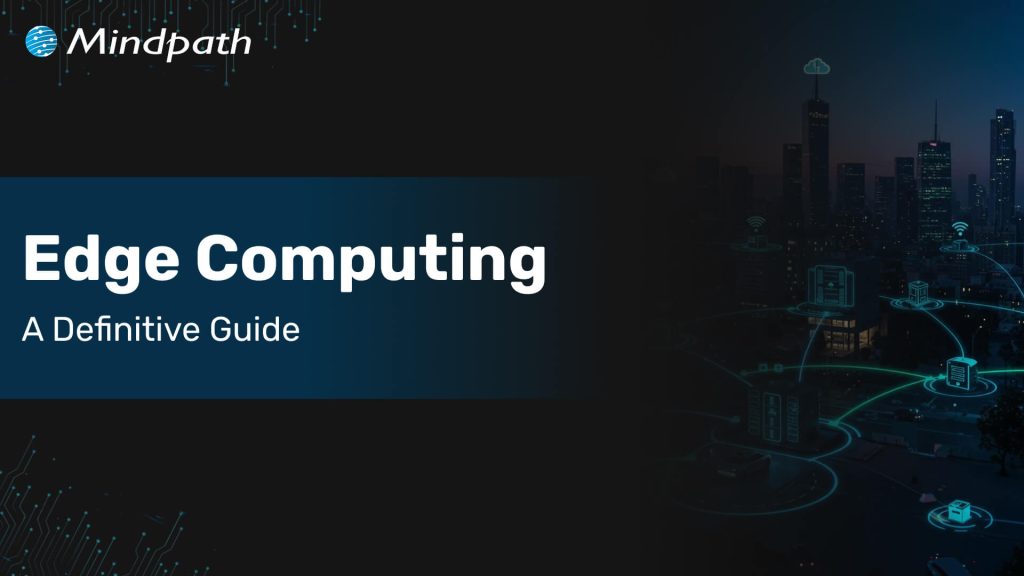
what is edge computing

The radical growth in the amount of data generated by devices connected to the internet created concerns regarding the traditional approaches to computing and data storage. Many companies have shifted their business models towards cloud computing to accommodate the demand for storing more data. However, the search for answers to ‘what is edge computing’ is gaining momentum due to the limitations of cloud computing. One of the biggest setbacks of cloud computing is the latency, which is a direct outcome of the distance between users and cloud data centers.

Edge computing has emerged as a promising alternative by providing a distributed computing model in which computation and data storage are closer to the source of data generation. Understanding the strengths and limitations of edge computing offers the ideal foundation to integrate it effectively in enterprise operations.

Is your business struggling to act on data fast enough to stay competitive? Contact us to deliver real-time processing to power faster and smarter decisions.

Discovering the Ideal Definition of Edge Computing

The traditional cloud-based infrastructure has been the favorite choice of companies who prefer agility and scalability. On the other hand, the limitations of cloud computing have created setbacks in supporting emerging use cases and workloads. Apart from the high latency, cloud computing makes you dependent on central data centers and burdens you with costs. Therefore, an alternative like edge computing has become the need of the hour for thousands of businesses worldwide.

Upon searching for edge computing definition on different platforms, you will come across multiple entries. The most common definition of edge computing paints it as a distributed computing approach that involve shifting computing resources as close as possible to the source of data generation. It involves carrying out data processing tasks on or near the devices on the edge, thereby reducing network costs and latency requirements.

You must know that the edge may be a router, routing switches, ISP, multiplexers or integrated access devices. The only thing required for edge computing is that the network edge must be in proximity of the device.

Understanding the Components in Edge Computing Architecture

You might have many questions about the way in which edge computing overcomes the challenges with cloud computing. The basic edge computing meaning does not shed light on the fact that edge computing works with different components. Without understanding the architecture of edge computing, you cannot figure out how it is better than cloud computing. A breakdown of the important components in edge computing architecture can help you decipher how edge computing works.

1. Edge Devices

Edge device refers to the actual device on the edge, such as a camera, IoT device or a sensor. It is the source where raw data is generated and serves as the first point of contact in the edge computing architecture. The edge device can support minimal processing tasks, such as data filtering.

2. Edge Gateways

The next crucial component after edge computing devices is the edge gateway, which serves as a data aggregator. Edge gateway is the place where the system aggregates data from multiple devices and deals with basic analytics and preprocessing tasks.

3. Edge Servers

You cannot think about using edge computing for real-time tasks without edge servers in the picture. Edge servers handle the local processing tasks for real-time applications and running AI inference models or containerized workloads. As a matter of fact, edge servers take care of critical data on a temporary basis before sending it to the cloud.

4. Network Layer

The network layer helps in ensuring the use of 5G, LAN, Wi-Fi or satellite connection for connecting edge components to each other and the cloud.

5. Data Center or the Cloud

The data center or the cloud in edge computing architecture is useful for long-term storage and in-depth analytics. It also facilitates easier prospects for model training alongside the utilities like component orchestration and centralized management.

Unraveling Real-World Use Cases of Edge Computing

The introduction to edge computing also creates curiosity about the different ways in which businesses can use it. You can find edge computing examples in almost every industry and even in your daily lives. Learning about the real-world use cases can help you get a better idea of how edge computing can revolutionize the future of computing.

1. Retail

Edge computing serves the ideal resource for real-time processing and analytics in the retail sector to provide seamless customer experiences. Retailers can use edge computing in inventory management, customer analytics and personalized advertising to improve operations as well as the customer experience.

2. Manufacturing

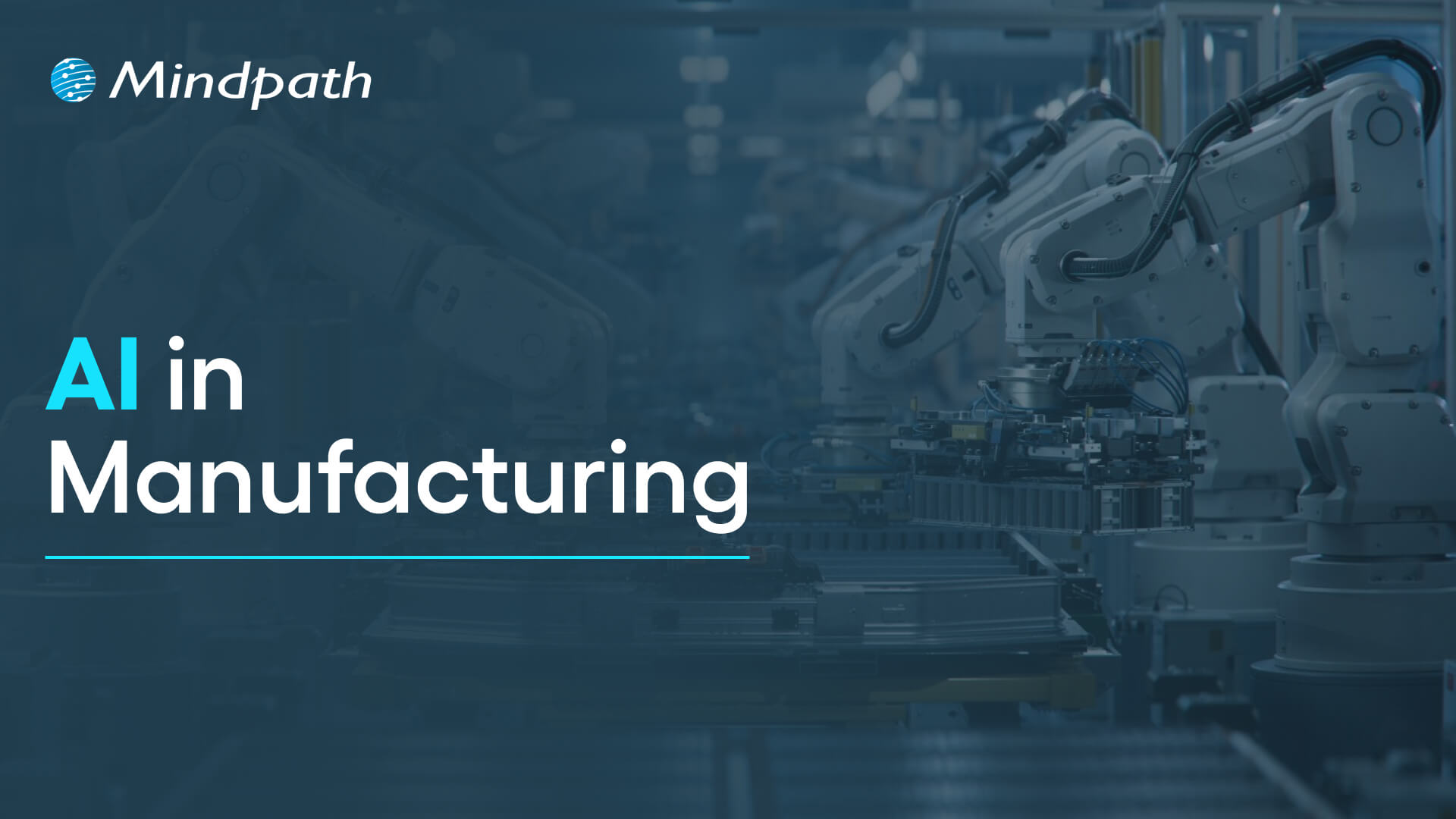
The widespread use of edge computing in IoT applications provides the foundation for leveraging the new computing approach in manufacturing. IoT devices allow manufacturers to monitor their equipment, production lines and quality control. With the help of edge computing, manufacturing processes gain the benefit of automation, thereby ensuring faster manufacturing.

3. Autonomous Vehicles

The examples of different types of edge computing applications in the real world will be incomplete without mentioning autonomous vehicles. Edge computing can provide the lowest levels of latency required for processing input data from cameras. The low latency plays a major role in enhancing safety and navigation in autonomous vehicles.

4. Smart Cities

If you talk about autonomous vehicles among use cases of edge computing, then you should not leave smart cities from the discussion. The faster and localized data processing with edge computing offers a formidable boost for various tasks in smart cities. Edge computing has the potential to streamline energy optimization, public safety monitoring and real-time traffic management.

Does Edge Computing Have Any Variants?

Most of the discussions about edge computing focus only on its definition, its applications and benefits. The search for answers to ‘how does edge computing work’ does not lead you to the more intricate details of the new computing approach. You should also know that edge computing works at different levels with distinct utilities in different scenarios.

1. Regional and Local Edge

The regional and local edge locations help in extending the capabilities of cloud computing with reduced latency. The regional hubs work like the cloud to facilitate compute and storage services near end-users. Positioning of regional and local edge hubs before the last-mile network ensures that they can support applications which need moderate latency and enhanced data throughput.

2. On-site Edge Computing

Another notable variant of edge computing is on-site edge computing in which edge servers and devices are present in the physical premises of an organization. The on-site edge computing systems are more reliable choices for mission-critical applications as they enable real-time decision making without external networks. On-site edge computing also provides the assurance of more autonomy, control and security for enterprises.

3. Device Edge Computing

The diverse applications of edge computing also draw references to device edge computing with IoT endpoints. Device edge computing involves a combination of IoT devices, embedded systems and sensors which interact directly with the physical environment. The utility of device edge computing is primarily evident in distributed edge networks as they reduce data transfer and support localized actions.

How Can Edge Computing Help Your Business?

Edge computing offers significant advantages that make it a better alternative to cloud computing. As a matter of fact, the benefits of edge computing make it a powerful option for many emerging use cases.

1. Lower Latency

One of the most notable entries among the benefits of edge computing is low latency. With the help of local processing, edge computing ensures that the data never goes to the cloud for processing. As a result, edge computing can ensure significantly faster response times, which is essential for time-sensitive applications.

2. Enhanced Reliability

The local processing in edge computing ensures that it does not have to depend on external networks or resources. You can notice that the advantages of edge computing don’t give up on you in times of outages. You will not need a stable internet connection at all times to make the most of edge computing in real use cases.

3. Reduced Bandwidth Costs

Edge computing plays a major role in reducing network congestion, which ultimately leads to lower operating costs. With limited data transfer to the cloud, edge computing provides the assurance of improved performance in limited bandwidth. As a result, edge computing can help you avoid the costs of uninterrupted high-speed internet connectivity.

4. Better Flexibility

The isolated processing on devices in edge computing not only showcases how the power of computing can come at low costs but also with more flexibility. Edge computing allows you to add more connected devices without the urgency to connect them to central servers. On top of it, edge computing also facilitates hybrid scaling with the help of cloud resources and flexibility for deploying new edge nodes with growing demand.

Final Thoughts

Edge computing is a new paradigm that aims to revolutionize compute and data storage services. It provides a better alternative to cloud computing by enabling data processing on the devices at the network edge. The difference between cloud and edge computing is clearly evident in latency and resource requirements. Edge computing consumes significantly fewer resources than traditional cloud computing and delivers lowest latency. The adoption of edge computing in smart cities, autonomous vehicles and smart manufacturing units is a proof of how the new computing approach is better than its predecessors.

Mindpath is a leading end-to-end IT solutions provider with years of experience in catering to clients from different industries. We specialize in edge computing solutions tailored to modern specifications and capable of delivering the best results in alignment with your business goals. Take the first step to embrace the power of edge computing in your business with us.

Discover how edge computing enhances data processing, helping businesses make real-time decisions and optimize operations.

Node.js developer in New York expenses vary depending on criteria such as expertise, project size, and hiring technique. Whether you’re a startup searching for a low-cost alternative or a major company looking for top-tier expertise, understanding these expenses will help you make an informed selection.

1. Hourly Rates for Node.js Developers

Hiring a Node.js developer in New York is based on experience. Junior developers (0-2 years) charge $12-$50 per hour for minor bug fixes, API connections, and application changes. Mid-level developers (3-5 years experience) charge $50-$100 per hour and specialize in full-stack development, performance optimization, and complicated backend operations. Senior developers (5+ years) charge $80-$150+ per hour and have extensive abilities in system architecture, database administration, and high-performance solutions. The more experienced the developer, the greater the cost because of their ability to manage complicated projects efficiently. If you’re seeking cost-effective alternatives, remote hiring from nations with reduced labor expenses can be a possibility. However, recruiting locally in New York allows for greater cooperation, real-time assistance, and easier project management. Deciding the right developer level depends on your project requirements, budget, and long-term goals.

2. Project-Based Costs

The overall cost of a Node.js project varies depending on its complexity, length, and team size. Small projects, such as rudimentary web apps with limited functionality, often cost between $12,000 and $25,000. Medium projects, which include bespoke apps with various connectors and real-time capabilities, cost between $25,000 and $45,000. Large-scale projects can cost more than $60,000. Examples include enterprise-level programs with high scalability, improved security, and cloud integration. A separate development team is frequently required for larger projects, which raises the cost even further. Businesses can collaborate with a Node.js development business, with yearly service rates ranging from $72,000 to $116,000. Choosing between freelancers, an in-house team, and an agency has a big influence on the overall cost. While freelancers are cost-effective for short-term work, agencies provide comprehensive development services with long-term support. Evaluating your project scope beforehand helps in budgeting and selecting the best hiring model.

3. Factors Affecting Hiring Costs

Several factors affect the cost of hiring a Node.js developer in New York. Project complexity is important—simple apps cost less, but complicated projects needing high scalability, AI integration, or data security raise costs. The hiring approach also influences price. Freelancers charge less but may not provide ongoing help. In-house developers provide consistency but incur additional overhead expenditures like salary and perks. Development agencies offer comprehensive solutions but are usually the most expensive. Another important consideration for developers is their location. Hiring in New York facilitates smoother cooperation and speedier communication, but it is more expensive than outsourcing to nations like as India or Eastern Europe, where hourly rates are much cheaper. When selecting a developer, you must consider experience, quality, and affordability. By carefully considering these factors, businesses can find a cost-effective yet skilled Node.js developer to match their project’s needs.

Need skilled Node.js developers in New York for your next project? At Mindpath, provides expert developers to build secure, scalable, and high-performance applications. Whether you need a dedicated team or a single developer, we offer flexible hiring models to fit your budget and project needs.

Partner with Mindpath today and bring your vision to life with top-tier Node.js development!

Discover the ultimate guide to hiring Node.js developers in London. Learn about the skills, benefits, and cost factors involved in finding the right talent for your project.